

Indoor Digital Display Screen: Engineering Excellence and Industry Insights
Indoor digital display screens have become an integral component of modern communication, advertising, and information dissemination across various sectors, including retail, corporate, healthcare, and hospitality. As a professional LED display engineer with extensive experience in LED LCD manufacturing, this article delves into the technical parameters, manufacturing intricacies, and industry best practices that define cutting-edge indoor digital display screens.
Technical Specifications and Display Types
Indoor digital screens primarily utilize LED (Light Emitting Diode) technology due to superior brightness, energy efficiency, and longevity compared to traditional LCDs. LED modules for indoor use feature fine pixel pitches typically ranging from 0.9 mm to 6 mm, allowing high-resolution imaging and clear visual quality at close viewing distances—crucial for indoor settings such as conference rooms, retail spaces, and control centers.
The optimal pixel pitch is a balance between cost and image definition; for instance, a 1.2 mm pixel pitch is ideal for detailed graphic presentations indoors up to a viewing distance of approximately 1.5 meters. Accurate color calibration and high refresh rates (usually above 3,840 Hz) ensure flicker-free images suitable for HD videos and fast-moving content, which is vital in environments like broadcast studios.
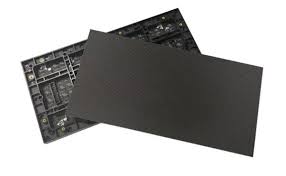
Manufacturing and Quality Standards
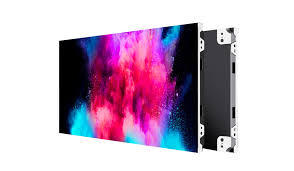
Leading manufacturers adhere strictly to industry standards, such as those outlined by the Society for Information Display (SID) and International Electrotechnical Commission (IEC) guidelines (IEC 62087 for power measurement in TVs and displays). The production process involves precision surface mount technology (SMT) for LED placement, rigorous testing for luminance uniformity (typically exceeding 800 nits for indoor screens), and heat dissipation mechanisms to maintain stable operation under continuous use.
The frame and cabinet design must meet IP20 protection for indoor environments to shield delicate components from dust and physical impact while facilitating efficient airflow. Modular design is an industry hallmark, simplifying maintenance and scalability without significant downtime.
Application Case Studies
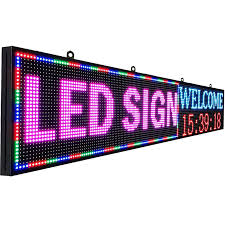
A prominent case study is the deployment of indoor LED walls in multinational retail chains, where dynamic content updates using cloud-based content management systems (CMS) have enhanced customer engagement by up to 30%, according to market analysis by Grand View Research. Another example is in the healthcare sector, where indoor LED displays provide real-time patient information and wayfinding with extremely high legibility and color accuracy—critical for operational efficiency and safety compliance.
Innovation and Future Trends
Recent advances focus on integrating AI-driven content optimization and IoT connectivity, enabling personalized advertising and interactivity. OLED (Organic LED) and MicroLED technologies, though currently positioned at premium cost tiers, are expected to disrupt the industry by offering even higher contrast ratios, faster response times, and broader viewing angles for indoor applications. For now, LED remains the most robust and commercially viable option based on performance and lifecycle cost.
Environmental and Energy Efficiency Considerations
Energy consumption is an essential factor influencing operational costs and sustainability goals. Typical power consumption for indoor LED display screens ranges from 100 to 400 watts per square meter depending on brightness and size. Compliance with ENERGY STAR and RoHS (Restriction of Hazardous Substances) directives ensures products meet international expectations for environmental responsibility.
Conclusion
Indoor digital display screens represent a convergent technology where precision engineering, adherence to international standards, and innovative design intersect to create compelling visual communication tools. Understanding the technical underpinnings and selecting products based on proven durability, image quality, and operational efficiency ensures stakeholders achieve optimal investment returns and audience impact.
References:
- Society for Information Display (SID) Standards
- International Electrotechnical Commission (IEC) 62087
- Grand View Research Market Reports on Digital Signage
- ENERGY STAR Program Requirements for Displays
- RoHS Directive Compliance Documentation













