

Advanced Techniques and Standards in LED Display Manufacturing for Superior Visual Performance
The LED display industry has witnessed a remarkable evolution in recent years, driven by technological advances, stringent quality control, and the demand for high-performance visual solutions. As a professional LED display engineer with extensive experience in manufacturing, this article delves into the critical aspects of LED display production, emphasizing technical parameters, industry standards, and best practices to ensure exceptional product quality and reliability on a global scale.
Understanding LED Display Technology
LED (Light Emitting Diode) displays use semiconductor materials to emit light when an electric current passes through. These displays are prevalent in various applications, from outdoor digital billboards and stadium screens to indoor advertising panels and control rooms. The core of LED display performance lies in pixel density, brightness, color accuracy, viewing angle, and refresh rate—all parameters that govern image clarity and user experience.
Key Technical Parameters in LED Display Manufacturing
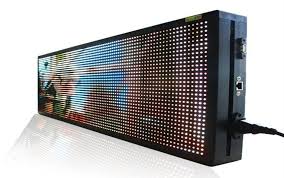
1. Pixel Pitch and Resolution:
Pixel pitch, measured in millimeters (mm), is the distance between the centers of adjacent LED pixels. It directly influences image resolution and clarity. For instance, fine-pitch LED displays typically have a pixel pitch below 2 mm, catering to close-viewing applications like conference rooms and retail displays (IALED, 2023). Larger pixel pitches (e.g., 10 mm or more) are suitable for outdoor displays viewed from longer distances.
2. Brightness and Contrast Ratio:
Brightness levels are crucial for adapting LED displays to different lighting environments. High-end outdoor LED displays must achieve brightness levels of 5,000 to 7,500 nits to combat direct sunlight and ensure visibility (IEC 62717). Indoor displays usually function within a brightness range of 800 to 1,200 nits. The contrast ratio affects image depth, calculated between the brightest white and darkest black levels and is enhanced by LED chip quality and display calibration.
3. Refresh Rate and Frame Rate:
To avoid flickering and motion blur, a high refresh rate (above 3,000 Hz for video content) is mandatory. This is especially important for LED displays used in broadcast and live event settings, ensuring smooth visual output and compatibility with modern high-speed cameras (SMPTE ST 2110).
4. Color Gamut and Calibration:
Achieving a wide color gamut and accurate color reproduction demands precise calibration during production. Employing sophisticated color calibration tools and spectroscopy methods aligns LED panel outputs with standards such as Rec.709 or DCI-P3, critical for broadcast and cinema-quality displays.
Stringent Industry Standards and Quality Control
Compliance with recognized industry standards ensures reliability and customer trust. Some key standards include:
- IEC 62717: Defines performance requirements for LED modules used in displays, focusing on electrical safety, photometric characteristics, and environmental resilience.
- ISO 9001 Quality Management: Many leading manufacturers utilize ISO 9001-certified processes to guarantee consistency in product quality across the supply chain.
- RoHS and REACH Compliance: Environmental standards limiting the use of hazardous substances in electronic manufacturing protect consumers and ecosystems.
Manufacturers often incorporate rigorous testing protocols such as thermal cycling, humidity resistance, and vibration tests to simulate real-world operating conditions. This ensures durability, particularly in harsh outdoor installations where temperature fluctuations and weather pose risks (SMTA, 2023 case studies).
Advanced Manufacturing Techniques
1. Surface Mount Technology (SMT):
Modern LED modules are assembled using automated SMT lines that place LED chips and components precisely, enhancing reliability and lowering defect rates.
2. COB (Chip On Board) Technology:
COB integration improves pixel density and reduces the bezel between modules, benefiting ultra-fine-pitch indoor displays with seamless visual surfaces.
3. Modular Design and Maintenance:
Modular panel designs facilitate easier installation, maintenance, and scalability. Quick-swap modules minimize downtime and extend overall product lifecycle.
Case Study: Outdoor Sports Arena LED Display
An international sports arena upgraded its LED display system using 10 mm pixel pitch panels, with brightness up to 7,000 nits and a refresh rate of 6,000 Hz. The installation featured IP65-rated enclosures for weather-proofing and incorporated a remote monitoring system for real-time diagnostics. Post-installation, the facility reported a 30% increase in audience engagement and improved broadcast quality, highlighting the impact of meticulous engineering and standards compliance.
Conclusion
The manufacturing of LED displays is a sophisticated process combining cutting-edge technology, adherence to global standards, and practical engineering experience. Optimizing technical parameters such as pixel pitch, brightness, refresh rate, and color calibration results in high-performance displays tailored to diverse market needs. As the industry advances, innovation in materials, automation, and quality assurance will continue to enhance LED display reliability and visual excellence worldwide.
By upholding these practices and standards, manufacturers can deliver superior LED displays that meet the rigorous demands of international clients and end-users alike.













