

---------------------|--------...
---------------------|-----------------------------------|----------------------------------------------|
| Pixel Pitch | 0.3 mm (Micro LED) to 20 mm+ | Defines resolution and viewing distance |
| Brightness | 1,000 - 10,000 nits | Higher for outdoor use; measured at peak |
| Refresh Rate | ≥ 3,840 Hz | Especially for broadcast-grade applications |
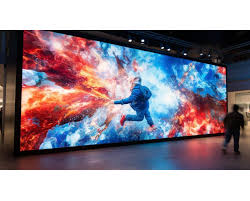
| Contrast Ratio | > 5,000:1 | Important for image depth and clarity |
| Color Gamut | ≥ 95% DCI-P3 | Standard for cinema and broadcast |
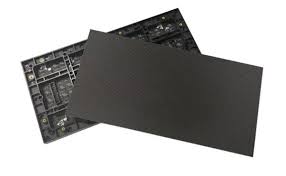
| Viewing Angle | > 160° horizontal/vertical | Ensures visibility from various perspectives |
| IP Rating | IP65 - IP67 (outdoor) | Weatherproofing standard |
| Service Life (L70) | > 100,000 hours | Time to 70% brightness |
Conclusion
The evolution of LED display technology continues to enhance visual communication capabilities across diverse industries. By leveraging its superior brightness, efficiency, durability, and scalability, professional engineers design innovative solutions tailored to demanding environments. Addressing common challenges through rigorous quality control, calibration, and state-of-the-art materials ensures dependable performance.
Monitoring emerging trends such as Mini LED technology, flexible displays, and AI integration is vital for staying at the forefront of the industry. Compliance with established technical standards and environmental policies further cements LED displays as a future-proof investment for businesses worldwide.
By comprehensively understanding the practical applications, advantages, challenges, and innovations in LED display technology, stakeholders can make informed decisions that maximize performance, longevity, and user engagement.
References:
- International Electrotechnical Commission (IEC), IEC 62368-1 Standard
- ENERGY STAR Program Requirements for Displays
- Society for Information Display (SID) Technical Digest
- LEDinside Research Reports
- Avnet, “LED Display Technology: Principles and Applications” (2023)













