

Advanced Insights into LED Screen Manufacturing: Applications, Advantages, and Emerging Trends
LED screen technology has revolutionized visual display solutions across multiple industries, offering unparalleled brightness, energy efficiency, and versatility. As an experienced LED display engineer, I will provide an in-depth examination of LED screen manufacturing, discussing practical applications, advantages, common challenges, and the latest trends shaping the industry today.
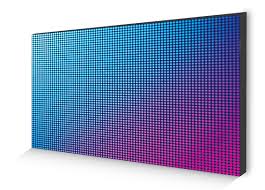
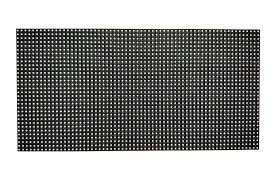
At the heart of LED screens is the light-emitting diode, a semiconductor device that emits light when an electric current passes through it. Modern LED displays are composed of millions of tiny LEDs arranged in a matrix, enabling them to produce highly detailed visuals with wide color gamuts and high contrast ratios. LED screens are categorized primarily into indoor and outdoor types, distinguished by pixel pitch, brightness levels, and durability.
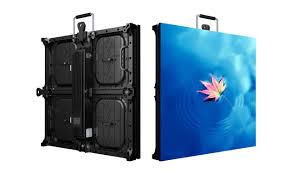
Practical applications for LED displays are diverse. In retail and advertising, billboards leverage outdoor LED technology with brightness values up to 6,000 nits or more to ensure visibility under direct sunlight. Sporting arenas and concert venues use large-format indoor and outdoor LED screens with pixel pitches between 2 mm and 10 mm to deliver immersive experiences. In control rooms and broadcasting, LED video walls with fine pixel pitches below 1.5 mm offer granular detail crucial for monitoring and media delivery.
One of the primary advantages of LED screens lies in their superior energy efficiency compared with traditional LCD or projection systems. LEDs consume significantly less power, partly due to their direct light emission and the ability to dim or turn off individual diodes. According to the Digital Signage Federation, LED displays can reduce operational costs by up to 30% compared to conventional display technologies.
Another advantage is durability and environmental resilience. Outdoor LED screens incorporate weatherproofing measures meeting standards such as IP65 and beyond, ensuring protection against dust, water ingress, and extreme temperatures. The wide operating temperature range, often from -20°C to +50°C, makes LEDs ideal for variable climate conditions globally.
Despite their benefits, LED screens face several common challenges. One notable issue is the phenomenon of dead or stuck pixels, which can degrade image quality. Manufacturing protocols adhering to stringent quality control standards like ISO 9001 help minimize these defects. Additionally, uniform color calibration is vital to prevent image segmentation; advanced calibration tools and software utilizing colorimeter hardware are routinely employed post-production.
Thermal management also remains critical. High-brightness LED modules generate heat that, if not effectively dissipated, shortens LED lifespan or causes color distortion. Incorporating aluminum heat sinks, active cooling systems, and thermal interface materials are standard practices to maintain operational stability.
The LED display industry is evolving rapidly with several exciting trends. MicroLED technology, which integrates micron-sized LEDs, promises even higher resolution combined with lower power consumption for both small and large-scale displays. Transparent LED screens are gaining traction in retail and architectural applications, allowing dynamic content without obstructing natural light or sightlines.
Flexible and curved LED panels represent another transformative development, enabling ultra-thin installations with new aesthetic potentials in automotive displays, event productions, and immersive environments. Furthermore, integration of AI-driven content management systems facilitates real-time analytics and adaptive brightness adjustments, optimizing viewer engagement and energy efficiency.
From a manufacturing perspective, advancements in automated pick-and-place machines and high-precision soldering techniques have significantly improved yield rates and reduced production costs. Industry standards such as IEC 62368-1 for safety and IEC 62087 for measuring energy efficiency in digital displays remain pivotal, ensuring product reliability and regulatory compliance.
In conclusion, LED screen manufacturing is at the convergence of material science, electronics, and digital content delivery. Its practical applications span advertising, entertainment, control rooms, and emerging fields like smart cities and augmented reality interfaces. With ongoing innovations in MicroLED, flexible substrates, and AI integration, LED displays will continue to redefine visual communication. Engineers must rigorously address challenges in pixel reliability, thermal management, and color uniformity to deliver robust, high-performance products conforming to international standards.













