

Taxi Top Displays: Advanced LED Solutions for Urban Advertising
Taxi top displays represent a dynamic and effective medium for outdoor advertising, leveraging cutting-edge LED technology to capture the attention of urban audiences. As a professional LED display engineer, I bring over a decade of experience in designing and manufacturing robust, high-performance LED solutions tailored for taxi top applications. This article delves into the technical specifications, installation challenges, and industry standards that define modern taxi top displays, emphasizing their unrivaled impact in metropolitan advertising environments.
Technical Parameters and Design Considerations
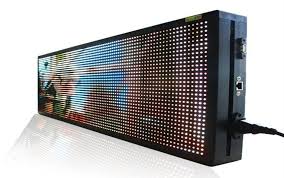
Taxi top LED displays typically use high-brightness SMD (Surface Mounted Device) LEDs to ensure vivid visibility under direct sunlight, essential for daytime urban scenarios. The pixel pitch — the distance between the centers of two adjacent LEDs — is usually between 4mm and 10mm for taxi tops, striking a balance between high resolution and energy efficiency. For instance, a P6 LED module (6mm pitch) can deliver sharp imagery while maintaining a compact form factor suitable for vehicle mounting.
Brightness levels are critical for outdoor readability; industry benchmarks recommend luminance levels exceeding 5,000 nits to counteract glare from ambient daylight. Taxi top displays employ automatic brightness control sensors to adjust output dynamically, preventing excessive power consumption and reducing light pollution at night.
Power and Communication Protocols
Robust power management is a cornerstone. Taxi top displays operate on a 12V or 24V DC power supply drawn from the vehicle's electrical system, necessitating efficient power converters and overcurrent protection to accommodate fluctuations caused by engine load. To reduce wiring complexity and enhance reliability, lightweight waterproof connectors and CAN bus communication protocols are increasingly prevalent for data transmission.
Structural Integrity and Environmental Resistance
Vehicle-mounted displays must withstand vibration, shocks, and varying weather conditions. The housing typically features an IP65 or higher ingress protection rating, combining waterproof and dust-resistant properties with heat dissipation designs such as anodized aluminum enclosures and integrated fans. According to IEC 60068-2 environmental standards, these displays must endure temperature ranges from -20°C to 60°C, resist humidity, and resist corrosion from urban pollutants.
Regulatory Compliance and Safety
Compliance with local transportation and advertising regulations is paramount. For example, in the EU, taxi top displays must adhere to ECE R10 electromagnetic compatibility standards to prevent interference with vehicle electronics. Additionally, displays must not obstruct driver visibility or cause distraction. Illumination intensity and dynamic content restrictions vary by jurisdiction, requiring manufacturers to collaborate closely with city authorities during deployment.
Benefits and Use Cases
Taxi top LED displays offer unparalleled reach by targeting both pedestrian and vehicular traffic, turning taxis into mobile digital billboards. Real-time content updates via 4G/5G networks allow advertisers to tailor messages based on time, location, or audience demographics, optimizing engagement and ROI. Case studies in cities like New York and London report a 35-50% increase in ad impressions when deploying interactive taxi top campaigns compared to static posters.
Future Trends
Emerging technologies like OLED hybrid displays and AI-driven content management systems promise enhanced image quality, reduced power consumption, and smarter ad targeting. Integration with GPS and sensor data facilitates context-aware advertising, while advances in flexible LED panels may enable curved display surfaces, improving aerodynamics and aesthetics.
Conclusion
Taxi top displays embody the fusion of LED engineering innovation and urban advertising strategy. Their integration requires careful consideration of technical parameters, regulatory frameworks, and environmental resilience to achieve impactful, reliable performance. By adhering to established industry standards, leveraging state-of-the-art LED modules, and prioritizing safety and compliance, manufacturers and advertisers can harness taxi top displays as a pivotal tool in the evolving landscape of outdoor digital media.
References:
- IEC 60068-2 Environmental Testing Standards
- ECE R10 Electromagnetic Compatibility Regulations
- Lumileds Technical Datasheets for SMD LEDs
- IHS Markit Market Reports on Digital Out-of-Home Advertising













