

Advanced Technologies and Quality Standards in LED Display Manufacturing
The LED display industry has experienced remarkable growth over the past decade, driven by technological advancements and increasing demands for high-performance visual solutions across various sectors. As a professional LED display engineer with extensive experience, I will provide a comprehensive overview of the critical aspects of LED display manufacturing, focusing on key technical parameters, quality standards, and practical industrial applications that define this field today.
LED displays, whether used for advertising, public information systems, sports arenas, or control rooms, must adhere to stringent requirements regarding brightness, resolution, color accuracy, durability, and power efficiency. The primary components in LED display manufacturing include the LED chips, driver ICs, printed circuit boards (PCBs), and the structural frame. Each component influences the final display quality and lifespan.
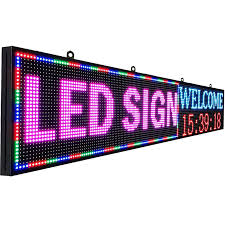
Brightness and luminance levels are among the most critical parameters. According to the International Electrotechnical Commission (IEC) standards (IEC 62717), outdoor LED displays require luminance levels typically between 5,000 to 8,000 nits to ensure visibility under direct sunlight, while indoor displays range from 300 to 1,500 nits, depending on ambient lighting. Enhanced brightness is achievable through the use of high-quality LEDs like SMD (Surface-Mounted Device) 2121 or 2727 packages, which offer improved light intensity and uniformity.
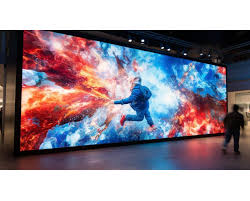
Pixel pitch significantly impacts resolution and viewing distance. A fine pitch of 1.2 mm or less is suitable for close viewing applications such as control rooms or retail advertising, whereas larger pitches (4 mm to 10 mm) are typically deployed in stadiums and large venues. In manufacturing, the precision of placing LEDs on PCBs is crucial; robotic pick-and-place systems coupled with automated optical inspection (AOI) enhance this accuracy, directly influencing resolution and visual uniformity.
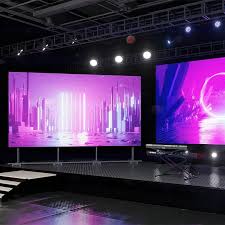
Color reproduction and consistency ensure that images retain vibrancy and accuracy. This requires careful calibration and the use of advanced driver ICs, such as MBI5124 or CHIPONE, supporting 16-bit grayscale and precise pulse-width modulation (PWM) control. Color calibration often complies with the Rec. 709 standard for video, ensuring consistency across different display units and environments.
Regarding durability, LED displays must meet IP (Ingress Protection) ratings to survive harsh environments. Outdoor installations usually require a minimum IP65 rating, protecting against dust and water jets. Structural materials such as anodized aluminum or galvanized steel frames provide mechanical strength and corrosion resistance. Thermal management also plays a pivotal role; heat sinks, ventilation designs, and sometimes active cooling systems prevent LED degradation due to overheating, enhancing the display's operational lifespan, which commonly exceeds 100,000 hours in professional-grade panels.
Power efficiency is increasingly important amid global energy concerns. Latest-generation LED drivers and optimized control algorithms reduce power consumption by up to 30% compared to older models. Moreover, modular design facilitates maintenance and scalability, allowing for swift replacement of faulty modules without system-wide disruptions.
Several industry benchmarks illustrate these principles effectively. For example, the Times Square LED display overhaul in New York incorporated 4K resolution screens with ultra-fine pixel pitch and peak brightness of 7,500 nits, complying with ANSI (American National Standards Institute) standards for visual quality and energy efficiency. Similarly, in the broadcast industry, Sony’s Crystal LED displays achieve unparalleled color fidelity and seamless image blending, setting a high bar for master control rooms worldwide.
In conclusion, the manufacturing of LED displays is an intricate process requiring expertise in electronics, materials science, and thermal engineering. Adherence to international standards like IEC 62717 and ANSI, combined with using high-quality components and automation in production, results in reliable, high-performance displays suited for diverse applications. Continuous innovations in LED package technology, driver ICs, and thermal management will further push the boundaries of visual display capabilities.
For professionals and enterprises seeking to deploy LED display solutions, understanding these parameters and adhering to quality standards is pivotal for achieving optimal performance and longevity in LED display systems.













