

Advanced LED Display Manufacturing: Technical Insights and Industry Best Practices
The LED display industry has witnessed rapid technological advancements over the past decade, transforming the way we communicate, advertise, and experience visual content. As a seasoned LED display engineer with extensive experience in manufacturing, this article delves into the critical technical parameters, manufacturing processes, and best practices that define high-quality LED LCD screen production. The insights provided here aim to guide engineers, manufacturers, and decision-makers seeking to enhance display performance, durability, and visual impact.
Key Technical Parameters in LED Display Manufacturing
1. Pixel Pitch and Resolution
Pixel pitch, the center-to-center distance between adjacent pixels, directly influences the display's resolution and viewing distance. Typical pixel pitches range from 0.9 mm (fine pitch for indoor displays) up to 10 mm for outdoor applications. Smaller pixel pitches offer higher resolution and clearer images at short viewing distances, essential for venues like control rooms, broadcast studios, and retail environments. According to the IEC 62368-1 safety standard, optimizing pixel pitch also minimizes potential visual fatigue and ensures compliance with international safety guidelines.
2. Brightness and Contrast Ratio
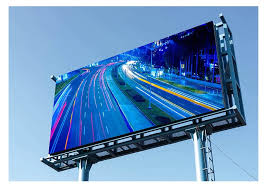
Brightness measured in nits (cd/m²) is vital for ensuring visibility in various ambient lighting conditions. Indoor LED displays typically operate between 800 and 1,200 nits, whereas outdoor displays require 5,000 nits or more to counteract sunlight glare. The contrast ratio, which measures the luminance difference between the darkest black and brightest white, affects image depth and color fidelity. Advanced LED manufacturing incorporates precise binning and color calibration to maintain consistent luminance and color accuracy across the display panel.
3. Color Uniformity and Calibration
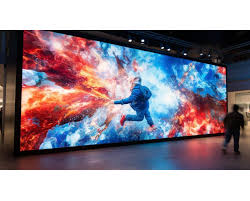
Achieving uniform color reproduction involves selecting LED chips from consistent bins and implementing software-driven multi-point calibration. State-of-the-art production lines employ 3-in-1 LED packages, integrating red, green, and blue diodes in a single unit to facilitate uniform color output and simplify assembly. Utilizing international standards such as the CIE 1931 color space ensures colorimetric accuracy, delivering vivid, lifelike images.
4. Refresh Rate and Gray Scale
Refresh rate, typically above 3,000 Hz for professional-grade LED displays, eliminates flicker and enables smooth motion rendering—critical for live broadcasts and dynamic advertising content. Gray scale depth, ranging from 12-bit to 16-bit per color channel, determines the display’s ability to reproduce subtle gradations in brightness, enhancing image detail and reducing color banding.
Manufacturing Processes and Quality Assurance
Achieving these technical standards requires rigorous manufacturing protocols:
- Component Selection and Testing
Sourcing high-reliability LED chips and electronic components from reputable suppliers is foundational. Components undergo extensive testing, including burn-in procedures, to detect early failures and thermal performance under operational stress.
- Automated SMT Assembly
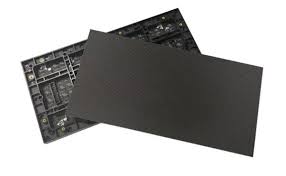
Surface Mount Technology (SMT) lines ensure precise placement of LED packages on printed circuit boards (PCBs). Calibration during assembly addresses tolerances and solder quality, crucial for electrical connectivity and heat dissipation.
- Encapsulation and Protection
LED modules receive encapsulation with silica gel or epoxy resins to protect against moisture, dust, and mechanical impacts. Outdoor displays additionally incorporate UV-resistant coatings and anti-reflection treatments to maintain longevity in harsh environments.
- Testing and Calibration
Comprehensive testing regimes cover pixel integrity, uniformity, color temperature, and brightness consistency. Automated optical measurement systems detect dead pixels and color deviations, feeding data for software corrections. International standards such as ISO 9001 quality management underpin these processes, assuring repeatability and product reliability.
Industry Trends and Innovations
The incorporation of micro-LED and mini-LED technologies represents the frontier of LED display innovation. Micro-LED offers unparalleled brightness, contrast, and energy efficiency by dramatically reducing diode size to sub-100-micrometer levels. Meanwhile, flexible LED displays enabled by novel substrates permit diverse form factors, expanding applications into wearable tech and curved architectural installations.
Energy efficiency has surged as a priority due to environmental and operational cost considerations. Advances in LED chip materials, driver ICs, and power management enable displays that consume 20-30% less energy without compromising performance.
Applications and Case Studies
High-profile use cases demonstrate the impact of advanced LED manufacturing. The Times Square NASDAQ billboard utilizes ultra-fine pixel pitch and high-brightness LEDs, delivering vibrant images visible to millions daily. Similarly, control rooms in aerospace and defense sectors benefit from high-resolution, flicker-free displays conforming to MIL-STD-810 environmental standards for harsh conditions.
Conclusion
Producing top-tier LED displays demands a blend of technical expertise, precision engineering, and strict adherence to international standards. Progress in LED chip technology, manufacturing automation, and quality testing continues to raise the bar in visual performance and reliability. For manufacturers and customers alike, understanding these parameters and processes ensures selection and production of LED displays that meet diverse operational and environmental needs.
As the LED industry evolves, embracing innovation and rigorous quality protocols will remain the cornerstone of producing displays that define the future of digital visualization.
References:
- IEC 62368-1: Audio/video, information and communication technology equipment – Safety requirements.
- ISO 9001: Quality management systems – Requirements.
- CIE 1931 Color Space Standard by the International Commission on Illumination.
- IEEE Transactions on Electron Devices, “Advances in Micro-LED Technology,” 2022.
- Society for Information Display (SID) Display Week Proceedings, 2023.













