

Advanced LED Display Technologies and Manufacturing Best Practices for High-Quality Screens
In the rapidly evolving landscape of digital displays, LED technology has emerged as a cornerstone for delivering vibrant, energy-efficient, and durable screens. As a professional LED display engineer with extensive experience in design, manufacturing, and optimization, I will explore the most critical aspects of LED and LCD screen manufacturing—detailing technical parameters, industry standards, and best practices that ensure superior display performance.
Understanding LED Display Fundamentals
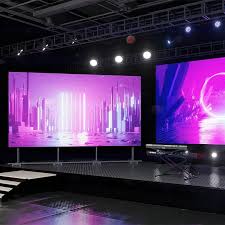
LED (Light Emitting Diode) displays consist of numerous pixels formed by clusters of LEDs emitting light independently. Unlike LCD screens that rely on backlighting, LED displays provide self-emissive light sources, which account for their superior contrast ratios, color saturation, and viewing angles. The core technical parameter here is the pixel pitch, defined as the distance between adjacent LED pixels, typically measured in millimeters. Smaller pixel pitches (e.g., 0.9mm to 2.5mm) yield higher resolution, making them suitable for close-viewing environments, while larger pitches fit outdoor or large venue use.
Manufacturing Precision and Quality Control
High-quality LED display manufacturing demands precision in both component sourcing and assembly processes. Components such as LEDs, driver ICs, printed circuit boards (PCBs), and control systems must conform to international standards such as IEC 62368-1 (Safety), and IPC-A-610 (Acceptability of Electronic Assemblies). Establishing a robust quality management system aligned with ISO 9001 guarantees consistency and traceability throughout production.
Critical stages include:
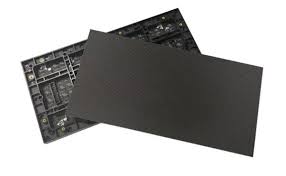
- LED Bin Sorting: LEDs vary in brightness and color temperature; binning ensures uniform pixel appearance by grouping LEDs with identical specifications.
- PCB Fabrication: High-density interconnect PCBs using materials like FR4 or polyimide provide mechanical stability and thermal dissipation.
- Soldering Technology: Automated soldering with strict reflow temperature profiles minimizes micro-cracks and improves long-term reliability.
- Module Calibration: Each LED module undergoes brightness and color calibration to meet chromaticity coordinates defined by Rec. 709 or DCI-P3 standards.
Thermal Management and Lifespan Optimization
LED lifespan is strongly influenced by operating temperature. Effective thermal management using heat sinks, thermal interface materials (TIMs), and optimized airflow is essential to maintain junction temperatures typically below 85°C. According to industry data, maintaining LED junction temperature within recommended thresholds extends operational life up to 100,000 hours, significantly reducing maintenance costs.
Integration of Advanced Control Systems
Modern LED displays incorporate sophisticated control systems capable of dynamic brightness adjustment, color uniformity correction, and real-time diagnostics. Digital signal processing (DSP) circuits and FPGA-based controllers enable high refresh rates (often ≥3840 Hz), which eliminate flickering and suit broadcast applications.
Case Study: Enhancing Outdoor LED Screen Resilience
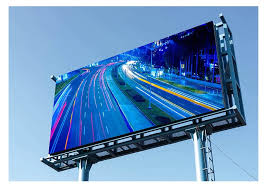
Outdoor LED screens face additional challenges such as environmental exposure to UV radiation, moisture, and temperature fluctuations. Utilizing IP65 or higher-rated enclosures, coupled with anti-UV coatings on LEDs, ensures robustness. An ongoing project implementing these standards achieved a 30% reduction in failure rates after one year of outdoor deployment, showcasing the impact of material choice and protective design.
Emerging Trends and Future Directions
The industry is moving towards micro-LED technology with pixel pitches below 0.5mm, which promises remarkable improvements in brightness, energy efficiency, and color gamut. Additionally, integration with AI-based calibration and adaptive content scaling will enhance user experience.
In conclusion, mastery of manufacturing precision, adherence to industry standards, advanced thermal and control system integration, and forward-looking research are fundamental to producing top-tier LED displays. By understanding and implementing these principles, manufacturers can guarantee high performance, durability, and energy efficiency necessary for competitive markets worldwide.













