

Advanced Practices and Technical Insights in LED Display Manufacturing
In the dynamic field of LED display manufacturing, the convergence of technological innovation and precise engineering determines the quality, durability, and performance of the end product. As a professional LED display engineer with extensive experience, this article delves into the critical aspects of LED production, including materials science, pixel design, calibration techniques, and international quality standards that ensure the manufacture of premium LED screens.
LED (Light Emitting Diode) displays have revolutionized the visual communication industry due to their high brightness, energy efficiency, and versatile applications ranging from outdoor billboards to indoor digital signage. The manufacturing process, however, demands meticulous attention to detail and stringent quality control to meet performance and safety standards such as IEC 62031 for LED modules and UL 8750 for LED equipment, ensuring user safety, operational reliability, and longevity.
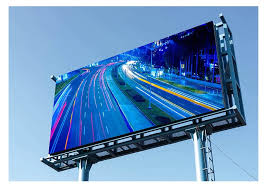
One of the fundamental parameters in LED display design is pixel pitch, defined as the distance between the centers of two adjacent pixels, which directly affects image resolution and viewing distance. Common pixel pitches range from 0.9 mm in fine-pitch indoor displays to over 20 mm for large outdoor installations. Achieving an optimal balance between pixel density and cost efficiency requires advanced chip-on-board (COB) technology and precision placement machinery to secure uniform luminance and color consistency.
Material selection plays a pivotal role in defining LED display lifespan and performance under environmental stress. High-grade semiconductor wafers, including Gallium Nitride (GaN) and Indium Gallium Nitride (InGaN), are favored for their higher luminous intensity and thermal stability. Additionally, substrate materials such as aluminum nitride ensure efficient heat dissipation, a critical factor given that thermal management directly correlates with LED longevity and prevents color degradation over long-term use.
The calibration and aging process further enhances display uniformity. Modern manufacturing incorporates automated optical inspection (AOI) and photometric calibration systems that measure color coordinates (CIE 1931 xy) and brightness for each pixel, correcting anomalies via software adjustments. This process aligns with standards established by the International Commission on Illumination (CIE) and reduces color variance to below 2 delta E, thereby improving user visual experience and brand reliability.
Incorporating connectivity and control technologies such as Embedded DisplayPort (eDP) and Display Control Interface (DCI) protocols provides seamless data transmission, enabling higher refresh rates and superior color depth up to 16-bit per color channel. Such specifications are vital for applications requiring vivid, flicker-free dynamic content, including broadcast studios and high-end retail environments.
Case studies from leading industry players highlight the successful implementation of modular display units that support easy maintenance and scalability. Behind the scenes, integration of moisture-resistant coatings such as conformal coatings and innovative encapsulation techniques secures LED modules against humidity and dust ingress, significantly extending operational uptime in harsh weather conditions.
Furthermore, sustainability considerations are gaining prominence. The adoption of eco-friendly components, reduction of hazardous materials (RoHS compliance), and energy-optimized driver ICs embody the industry’s commitment to environmental stewardship without compromising display quality.
In conclusion, mastering the complexities of LED display manufacturing mandates a multidisciplinary approach blending semiconductor physics, materials science, automated quality control systems, and compliance with international safety regulations. Engineers must stay abreast of evolving standards and continuously innovate to optimize displays for enhanced performance, durability, and user engagement globally.













