

Advancements and Best Practices in LED Display Manufacturing for Superior Visual Performance
The LED display industry has witnessed remarkable advancements over the past decade, driven by innovations in materials, manufacturing processes, and design architectures. Producing high-quality LED displays requires a comprehensive understanding of panel technologies, pixel configurations, color calibration, and thermal management systems. This article explores the critical technical parameters and best practices in LED display manufacturing to deliver superior visual performance, durability, and energy efficiency.
Currently, Surface-Mount Device (SMD) technology dominates LED display production due to its compact size and enhanced brightness. SMD LEDs integrate red, green, and blue diodes into a single package, enabling finer pixel pitch – a key determinant of resolution and image clarity. Pixel pitch typically ranges from 0.9 mm to 10 mm for indoor and outdoor displays, with fine-pitch screens (<2 mm) offering extremely smooth images suitable for close viewing distances. The pixel density (measured in pixels per square meter) directly correlates with resolution, influencing applications from retail digital signage to large stadium displays.
Color calibration is integral in delivering realistic and vivid images. Employing 14-bit or higher PWM (Pulse Width Modulation) dimming controls allows up to 16,384 brightness levels, reducing flicker and optimizing the color gamut. Industry standards like Rec. 709 and DCI-P3 guide color accuracy, ensuring consistent color reproduction across different displays. Advanced calibration involves both hardware (spectroradiometers) and software (color management systems) to achieve Delta E values below 2, which is imperceptible to the human eye and essential for professional broadcast and medical imaging displays.
Thermal management remains a cornerstone of LED display reliability. The heat generated by high-intensity LEDs can degrade lifespan and color consistency if not adequately dispersed. Leading manufacturers integrate passive heat sinks with high thermal conductivity materials such as aluminum alloy, complemented by active cooling like micro-fans in large panels. Thermal design must comply with IEC 62031 safety standards for LED modules, ensuring operation within optimal junction temperature limits (typically below 85°C). Proper thermal management extends device longevity often exceeding 100,000 operating hours per industry benchmarks.
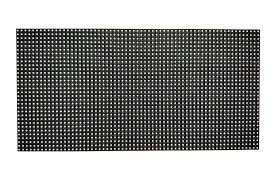
Manufacturing precision is bolstered by automated optical inspection (AOI) and solder paste inspection (SPI) systems, which minimize defects during PCB assembly. Statistical process control (SPC) ensures consistency by monitoring production variables, enabling quicker identification of deviations and reducing the failure rate. These quality assurance methods contribute to achieving high Mean Time Between Failures (MTBF), a key metric in commercial LED displays.
Additionally, environmental considerations such as RoHS compliance and recycling initiatives are gaining prominence. Utilizing lead-free solder and eco-friendly materials aligns with global environmental regulations and meets customer expectations for sustainable products.
In practical deployment, control systems integrating FPGA or ARM-based processors manage complex data interpreting and synchronization in large LED walls. Network protocols like Art-Net and sACN facilitate real-time content distribution, crucial for dynamic advertising or live event broadcasting. The adoption of HDR (High Dynamic Range) content is also increasing, requiring displays capable of higher peak brightness (up to 1000 nits or more indoors) and enhanced contrast ratios.
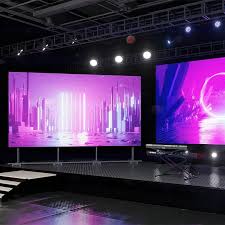
In conclusion, the fusion of cutting-edge technology, meticulous process control, and rigorous quality standards defines modern LED display manufacturing. Engineers and manufacturers must continuously innovate, implement best practices, and adhere to stringent industry standards to meet escalating market demands for high-resolution, energy-efficient, and environmentally responsible LED displays.
References:
- International Electrotechnical Commission, IEC 62031: LED Modules for General Lighting
- SMPTE ST 2084: HDR Electro-Optical Transfer Function
- “Display Technology Trends,” Society for Information Display (SID), 2023
- Research on Thermal Management in LEDs, Journal of Electronic Materials, 2022













