

Cutting-Edge Advances in LED Display Technology: Enhancing Visual Performance and Manufacturing Precision
The LED display industry has witnessed remarkable advancements over the past decade, driven by continuous innovation in both technology and manufacturing processes. As an LED display engineer with extensive industry experience, I recognize that understanding these developments is critical for professionals aiming to design, produce, or deploy high-performance LED screens that meet rigorous international quality standards.
Modern LED displays integrate sophisticated technology to deliver exceptional brightness, color accuracy, and durability. The backbone of these displays revolves around Light Emitting Diodes (LEDs), which act as individual pixels or pixel clusters, providing intense luminance and a wide color gamut. The enhancement of these core components constitutes the foundation for improved visual performance and energy efficiency.
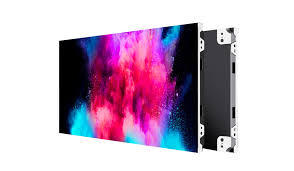
Technical Parameters and Industry Standards
High-quality LED displays typically conform to internationally recognized standards such as IEC 62087 for measuring video luminance, IEC 62368 for safety, and ISO 9241 for ergonomic requirements. For instance, state-of-the-art indoor LED panels boast pixel pitches ranging from 0.9 mm to 1.5 mm. Such fine pixel pitches yield superior resolution and clarity, essential for close viewing distances in applications like control rooms and broadcasting studios. Conversely, outdoor displays might utilize pixel pitches of 2.5 mm to 10 mm, balancing visibility and cost-effectiveness under varying ambient lighting conditions.
Brightness remains a critical metric, with indoor displays operating around 600 to 1,000 nits, while outdoor variants can exceed 6,000 nits to withstand direct sunlight exposure without loss of image fidelity. Contrast ratios often reach beyond 5,000:1 thanks to locally dimmable LED clusters and advanced calibration techniques, which enhance depth perception and color saturation.
Manufacturing Precision and Quality Control
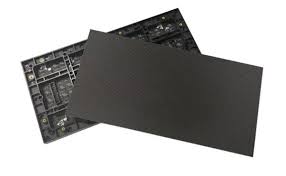
Precision in manufacturing plays a pivotal role in ensuring LED displays meet performance objectives consistently. Automated pick-and-place technologies paired with high-accuracy soldering machines guarantee tight LED component placement within ±0.02mm tolerance, critical to achieving uniform pixel geometry. Furthermore, quality control protocols include in-line optical inspection systems, thermal imaging, and advanced stress testing to detect defects such as dead pixels, color inconsistencies, and mechanical stresses early in production.
Material advancements, such as the use of high-grade PCB substrates with improved thermal conductivity and the integration of chip-on-board (COB) LEDs, enhance heat dissipation and longevity. These upgrades contribute to reduced maintenance costs and prolonged operational lifespans, often surpassing 100,000 hours of typical usage.
Emerging Trends and Practical Applications
Recent research emphasizes the development of MicroLED technology, which involves microscopic LEDs capable of delivering higher brightness, better color fidelity, and lower power consumption compared to conventional LED arrays. Though still in the nascent stage for mass-market deployment due to cost and manufacturing complexity, MicroLED represents the next frontier for applications ranging from ultra-high-definition TVs to wearable devices.
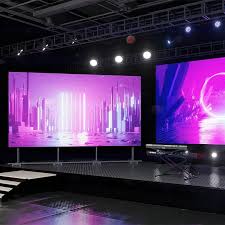
On the practical front, LED displays now integrate AI-based calibration software that dynamically adjusts color temperature and brightness based on ambient light sensors, ensuring optimal viewing comfort and consistent image quality. Moreover, enhanced modular designs facilitate easier installation, maintenance, and scalability, accommodating diverse structural and environmental requirements such as curvature, transparency, or flexible panels.
Environmental and Energy Considerations
Energy efficiency remains paramount amid increasing demands for greener technologies. High-efficiency LED chips and intelligent power management reduce energy consumption substantially—typically by 30%-50% compared to older models—while adhering to environmental regulations such as RoHS and WEEE directives.
In addition, manufacturers are adopting recyclable materials and sustainable manufacturing practices to minimize environmental impact. Proper thermal management through heat sinks and ventilation not only extends component life but also minimizes heat-related energy loss, improving overall eco-friendliness.
Conclusion
The sophistication of LED display technology and its manufacturing processes continues to evolve rapidly, enabling enhanced performance, reliability, and user experience. Understanding the detailed technical parameters, adherence to international standards, and trends such as MicroLED and AI integration allows engineers and stakeholders to make informed decisions in deploying these critical visual communication platforms. As LED display engineering increasingly intersects with sustainability and user-centric design, the future promises even more innovative and efficient solutions tailored to diverse applications worldwide.













