

Advancements and Best Practices in LED Display Manufacturing: A Comprehensive Guide for Industry Professionals
The LED display industry has witnessed significant advancements over the past decade, driven by innovations in semiconductor technology, manufacturing processes, and materials engineering. As global demand for high-definition, energy-efficient, and durable LED displays continues to surge across sectors such as advertising, sports, transportation, and control rooms, mastering the technical nuances and manufacturing standards becomes pivotal for professionals in this field. This article delves deeply into the core aspects of LED display manufacturing, imparting expert insights on design considerations, production methodologies, quality control, and emerging technologies that define the current and future landscape of LED displays.
Fundamentals of LED Display Technology
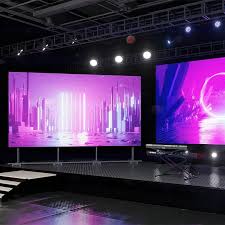
Understanding the fundamentals is vital. LED (Light Emitting Diode) displays operate by controlling individual light-emitting diodes, arranged in pixel formations, to render images and videos. These can be categorized primarily into indoor and outdoor displays, with differences rooted in pixel pitch, brightness levels, and protective coatings.
- Pixel Pitch refers to the distance between adjacent LED pixels, usually measured in millimeters. A smaller pixel pitch (e.g., 0.9mm to 2.5mm) is essential for indoor displays where viewers are close, ensuring higher resolution and finer image clarity. Outdoor displays typically range from 3mm to 20mm or more, trading off fine resolution for viewing distance and brightness.
- Brightness and Contrast are critical parameters. Outdoor LED displays commonly require luminance levels exceeding 5,000 nits (cd/m²) to combat sunlight visibility, whereas indoor displays typically operate at around 800-1,200 nits for comfortable viewing.
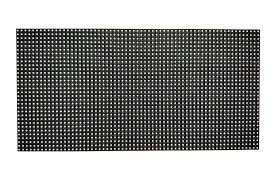
- Color Accuracy and Refresh Rates: True color reproduction demands precise calibration of RGB diodes. Refresh rates of 1920Hz and above minimize flicker, essential in broadcast and live event settings to prevent visual fatigue or capturing artifacts by cameras.
Materials and Component Selection
Selecting high-grade materials directly impacts longevity and performance. Semiconductor packaging involves sapphire or ceramic substrates for heat dissipation; encapsulation materials with high transmittance and UV resistance protect diodes. The use of SMD (Surface Mounted Device) technology has become pervasive, enabling dense, compact arrays essential for fine-pitch indoor displays.
High-quality PCB (Printed Circuit Board) laminates such as FR4 or metal core designs ensure thermal management and structural integrity. Furthermore, power supplies and integrated drivers must conform to international standards like the IEC 62368 for electrical safety and RoHS directives for environmental compliance.
Manufacturing Processes and Quality Control
A stringent and repeatable manufacturing process framework is key. The production typically encompasses:
- Wafer Fabrication and Die Preparation: LED semiconductor wafers are cut into dies, with binning processes applied to sort LEDs by brightness and color specifications, ensuring uniformity in final products.
- LED Mounting and Soldering: Automated pick-and-place machines expedite SMD LED placement on PCBs, requiring precise alignment to maintain pixel pitch accuracy. Reflow soldering with controlled temperature profiles ensures solid connections without damaging components.
- Module Assembly: LED panels are constructed by joining PCB units with integrated driver ICs and power supplies. Mechanical housing includes IP-rated enclosures, often IP65 or higher for outdoor solutions, to protect against dust and moisture.
- Testing: Comprehensive QC involves electrical testing, optical inspections (using spectroradiometers for color metrics), and environmental stress tests for temperature and humidity cycling. Burn-in procedures identify early failures.
Industry case studies repeatedly affirm the efficacy of continuous process optimization—for instance, Samsung’s adoption of automated inline inspection integrated with AI algorithms has enhanced yield rates by over 15%, minimizing defects in large-scale mass production.
Emerging Trends and Innovations
1. Mini-LED and Micro-LED Technologies: Offering enhanced brightness and contrast with longer lifespan and lower power consumption, micro-LEDs are increasingly viable for demanding applications, albeit with current challenges in mass-scale production and cost.
2. Flexible and Transparent LED Displays: Innovations in flexible substrates enable curved or rollable displays, expanding use cases in automotive and retail sectors. Transparent displays create novel interactive environments but require advances in LED spacing and driver circuitry to manage translucency without significant light leakage.
3. AI and IoT Integration: Real-time monitoring systems employing AI-based fault detection improve uptime. Additionally, IoT-enabled displays allow remote content management and diagnostics, critically valued in dynamic advertising ecosystems.
4. Energy Efficiency and Sustainability: Advancements in driver IC design and LED chip efficiency contribute to lower power consumption. Use of recyclable materials and adherence to environmental protocols like WEEE directive supports corporate sustainability goals.
International Standards and Compliance
Manufacturing must align with global benchmarks such as:
- IEC 62368 — Safety requirements for audio/video, information, and communication technology equipment.
- IEC 60950 — Standard for information technology equipment safety.
- RoHS Directive — Restriction on the use of hazardous substances.
- IP Code (Ingress Protection) — Certification especially relevant for outdoor LED displays.
- UL Certification — Indicates compliance with safety standards primarily for the US market.
Adhering to these standards is crucial not only for market acceptance but also risk mitigation.
Key Considerations for Manufacturers and Clients
- Design for Maintainability: Modular designs with front-service capability significantly reduce maintenance downtime and costs.
- Calibration and Color Uniformity: Implementing factory and field calibration procedures ensures consistent performance over time, critical for branding and visual consistency.
- Thermal Management: Effective dispersion of heat via heat sinks, ventilation, or active cooling preserves device reliability and color stability.
- Signal and Power Integrity: Ensuring robust signal transmission with low latency and high refresh rates prevents visual artifacts such as ghosting or flicker.
- Supplier Vetting: Establishing rigorous supplier quality management policies ensures component authenticity and reliability.
Conclusion
Mastering LED display manufacturing demands a comprehensive grasp of semiconductor physics, materials science, precision engineering, and quality assurance protocols. By leveraging technological innovations and adhering to best practices and international standards, manufacturers can deliver superior LED displays tailored to an ever-expanding global marketplace.
The future of LED technology promises more immersive, energy-efficient, and adaptable solutions, positioning this industry at the forefront of modern visual communication. Professionals equipped with the knowledge and expertise shared in this guide are well-prepared to excel and innovate within this dynamic field.
References:
- International Electrotechnical Commission, IEC 62368-1:2020, "Audio/video, information and communication technology equipment – Safety requirements."
- U.S. Environmental Protection Agency, “Energy Efficiency in Lighting,” EPA Energy Star Program.
- Samsung Display, “Innovations in LED Display Manufacturing,” Samsung Technical White Paper, 2022.
- ROHS Directive (2011/65/EU) on the Restriction of Hazardous Substances in Electrical and Electronic Equipment.
- Smith, J., & Lee, A. (2023). “Micro-LED: Next-Gen Display Technologies,” Journal of Display Technology, IEEE.













