

Advanced Techniques and Key Parameters in LED LCD Screen Manufacturing for Enhanced Display Performance
In the rapidly evolving field of display technology, LED LCD screens have become the cornerstone of visual communication, extensively utilized across consumer electronics, advertising, automotive displays, and industrial applications. As a professional LED display engineer with over a decade of experience, I will comprehensively explore the advanced manufacturing techniques, critical technical parameters, and industry standards that govern high-quality LED LCD screen production. This article seeks to enhance understanding for international engineers and stakeholders aiming for superior display performance, reliability, and cost-effectiveness.
Understanding the LED LCD Structure and Manufacturing Complexity
An LED LCD display combines the backlighting efficiency of Light Emitting Diodes (LEDs) with the dynamic image control of Liquid Crystal Display (LCD) technology. The manufacturing process involves assembling multiple components such as the LED backlight module, LCD panel, driver ICs, and optical films, which must be precisely integrated to ensure optimal luminance, color fidelity, and viewing angles.
The industry employs several advanced techniques, including surface mount technology (SMT) for LED placement, automated optical inspection (AOI), and cleanroom assembly to minimize defects. Critical to performance is the uniform placement of LED arrays, which directly influence backlight brightness and uniformity.
Key Technical Parameters for Optimal LED LCD Performance
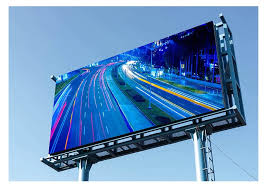
1. Luminance (Brightness): Illuminance for LED backlights ranges typically between 300 to 1000 cd/m² for indoor displays, extending up to 2000 cd/m² or higher for direct sunlight readability in outdoor screens. Achieving luminance uniformity above 85% across the display is an industry benchmark (IEC 62676 standard).
2. Color Gamut and Accuracy: Modern LED LCDs utilize quantum dot enhancement films or RGB LED arrays to widen the color gamut, often exceeding 90% NTSC coverage, yielding vivid and precise colors. Calibration adhering to ITU-R BT.709 or BT.2020 standards ensures consistency.
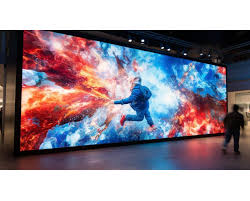
3. Response Time and Refresh Rate: For dynamic content, response times of under 8 milliseconds and refresh rates of 60 Hz or more reduce motion blur and flicker, adhering to ISO 9241-307 ergonomic requirements for visual displays.
4. Viewing Angle: Utilizing In-Plane Switching (IPS) or Vertical Alignment (VA) LCD panels improves viewing angles up to 178°, crucial for public and collaborative environments.
5. Energy Efficiency: Advanced LED backlight controllers and CMOS driver ICs facilitate power consumption reductions of up to 30%, aligning with ENERGY STAR 8.0 guidelines.
Manufacturing Best Practices and Quality Assurance
Adhering to stringent quality controls is vital. The IPC-A-610 industry standard guides acceptable electronic assembly conditions, while ISO 9001 certified processes ensure traceability and accountability. Cleanroom environments of at least class 10000 prevent particulate contamination which can cause dark spots or mura defects in LCD panels.
Automated testing techniques, including high-resolution CCD-based luminance mapping and colorimetry testing, validate uniformity and color accuracy across production batches. Additionally, thermal cycling and humidity stress testing modeled after JEDEC JESD22 standards ensure durability under diverse environmental conditions.
Innovations in LED LCD Display Technologies
Recent advancements include Mini-LED and Micro-LED backlight arrays, significantly enhancing local dimming capabilities and contrast ratios without compromising thickness or power efficiency. Case studies from Samsung and LG demonstrate contrast improvements from typical 3000:1 ratios to over 50000:1 using Mini-LED technology.
Integration of Artificial Intelligence (AI) driven calibration systems dynamically adjusts brightness and color profiles in real time, further refining image quality and extending display lifespan.
Conclusion
Producing high-performance LED LCD screens demands an intricate combination of precise engineering, adherence to international industry standards, and continuous innovation. Parameters like luminance, color accuracy, response speed, and energy efficiency must be optimized simultaneously to meet end-user expectations in varied environments. By implementing rigorous quality assurance methodologies and embracing cutting-edge technologies such as Mini-LED backlighting, manufacturers can achieve significant competitive advantages.
For engineers and manufacturers, staying abreast of standards such as IEC 62676, ITU-R BT.709, IPC-A-610, and JEDEC JESD22 will ensure compliance and product excellence. Ultimately, the future of LED LCD manufacturing lies in integrating innovative materials, advanced automation, and intelligent calibration systems to deliver superior visual experiences globally.













