

Taxi LED Screen Technology: Enhancing Urban Advertising and Passenger Experience
In today’s rapidly evolving urban landscape, LED screen technology has found a pivotal application in the taxi industry, where Taxi LED screens serve as a dynamic medium for advertising as well as passenger information. Leveraging advanced LED display engineering, these screens are not only transforming in-vehicle marketing but also elevating the overall passenger experience through real-time information and entertainment.
Technical Overview of Taxi LED Screens
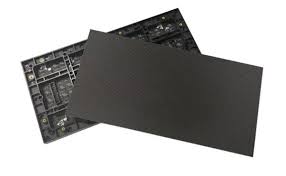
Taxi LED screens are specialized digital display panels installed inside or on the exterior of taxis. Typically, these screens utilize LED (Light Emitting Diode) technology due to its advantages in brightness, energy efficiency, and durability—key factors for displays exposed to ambient light and vibrations inherent in vehicular environments.
Key technical parameters for Taxi LED screens include:
- Pixel Pitch: Ranges between 1.5mm to 6mm for indoor screens, providing clear and sharp visuals within the confined space of a taxi cabin. For outdoor rooftop or side-mounted advertising screens, pixel pitch usually spans 6mm to 10mm, balancing resolution and visibility from a distance.
- Brightness: Indoor taxi screens operate ideally between 800 to 1200 nits, ensuring clarity without excessive glare inside the vehicle. Outdoor taxi LED displays require brightness levels up to 5000 nits to remain visible under direct sunlight and various weather conditions.
- Refresh Rate: High refresh rates, typically over 1920Hz, prevent flickering during video playback and ensure smooth, readable content, a critical aspect for mobile display units subject to vibrations and motion.
- Durability and IP Rating: Outdoor taxi LED screens often carry an IP65 or higher rating, signifying protection against dust ingress and water jets, maintaining display integrity despite exposure to rain and urban pollution.
Applications and Benefits
1. Dynamic Advertising Platform:
Taxi LED screens provide brands with a high-impact, location-specific advertising medium. Advertisements can be updated remotely and instantly, allowing for targeted campaigns that adapt to factors such as time of day, geographic location, and passenger demographics. This flexibility enhances ROI compared to static print advertisements.
2. Passenger Engagement and Information:
Beyond advertisement, these screens can display real-time transit updates, news, weather forecasts, and entertainment content, improving passenger satisfaction. Modern Taxi LED systems often integrate with GPS and mobile data networks to deliver location-specific content and prompts, enhancing the interactive experience.
3. Enhanced Revenue Opportunities:
By converting taxis into mobile advertising billboards using LED screens, fleet operators can monetize their vehicles beyond passenger fares. According to a study by Grand View Research (2023), the global digital out-of-home advertising market, which includes taxi advertising, is expected to grow at a CAGR of 11.2% from 2023 to 2030, indicating robust growth prospects.
4. Energy and Maintenance Efficiency:
With advancements in LED technology, taxi LED screens consume less power—typically between 8 to 15 watts per square foot—ensuring they do not significantly impact vehicle battery life. Modules are designed for easy maintenance, with modular components allowing replacements without disassembling the entire display.
Industry Standards and Best Practices
To ensure quality and reliability, Taxi LED screens comply with several industry standards:
- IEC 62368-1: Covers safety requirements for audio/visual equipment including display units.
- UL 8750: Specifies safety for LED lighting products.
- RoHS Directive: Ensures components are free from harmful substances.
For installation, vibration-resistant mounting systems are essential. Many manufacturers use shock-absorbing brackets and anti-wear connectors to ensure longevity under continuous movement.
Case Studies
- New York City Taxi LED Network: Deployed over 10,000 in-cab LED screens delivering tailored advertisements and real-time service updates. Reports indicate a 35% increase in passenger engagement and notable revenue uplift for fleet owners.
- London’s Taxi Roof LED Advertising: Utilizes high-brightness exterior LED panels with GPS integration allowing advertisers to geo-target audiences based on taxi routes and zones, significantly enhancing campaign precision.
Challenges and Future Directions
While Taxi LED screens offer numerous advantages, challenges remain such as:
- Power consumption management: Improvements in low-power LED driver ICs continue to mitigate this issue.
- Content security: To prevent unauthorized access, robust encryption protocols are implemented.
- Display reliability: Ongoing R&D in thermal management and robust materials helps screen performance in extreme urban environments.
Looking forward, integration with IoT (Internet of Things) will enable smarter taxi LED screens capable of adapting content dynamically based on passenger profiles, environmental conditions, and traffic data. Additionally, the incorporation of OLED and MicroLED displays promises even slimmer, energy-efficient, and higher-resolution taxi display solutions.
Conclusion
Taxi LED screen technology exemplifies a convergence of advanced digital display engineering and urban mobility, delivering a versatile platform for advertising and passenger engagement. Its technical design, backed by industry standards and real-world data, demonstrates both reliability and efficiency. As cities adopt smarter infrastructure and digital content management capabilities evolve, Taxi LED screens will continue to play an integral role in shaping urban advertising and enhancing passenger experiences worldwide.













