

Innovative Applications and Technical Insights of 5-Faces Cube LED Displays in Modern Visual Communication
In the ever-evolving landscape of digital signage and visual communication, the 5-faces cube LED display represents a cutting-edge solution that marries dynamic content presentation with immersive viewer engagement. As a professional in the LED display industry, I aim to provide a comprehensive overview of the technological foundations, practical implementations, and advantages of 5-faces cube LED screens, backed by industry standards and case studies.
The 5-faces cube LED display is essentially a three-dimensional LED screen structure featuring five visible display surfaces mounted on a cubic framework. This multi-faceted design allows content to be exhibited from multiple angles simultaneously, significantly enhancing the visibility and interactivity of displayed messages. Such displays are predominantly employed in public spaces like shopping malls, airports, exhibitions, and urban landmarks to attract attention and maximize advertising exposure.
Technical Parameters and Design Considerations
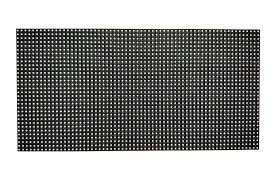
Each face of the cube typically incorporates high-resolution PCB panels equipped with SMD (Surface Mounted Device) LEDs, ranging from pixel pitches of 1.9mm to 6mm. The pixel pitch directly influences the display resolution and viewing distance: smaller values provide sharper images for closer audiences. For example, a 2.5mm pixel pitch on each face is ideal for indoor installations where viewers are within a 3 to 5-meter range, while a larger pitch is suitable for spacious or outdoor environments.
The 5-faces design generally excludes a bottom face, allowing the cube to be suspended or mounted on a pedestal. The LED screens on each face operate synchronously using high-speed processing controllers, often employing FPGA or advanced media players to ensure smooth and seamless content playback. Brightness levels range from 800 to 1500 nits for indoor applications, meeting industry standards like the IEC 62471 for photobiological safety, while outdoor variants exceed 5000 nits for daylight visibility.
Materials and Manufacturing Process
The structural integrity of a 5-faces cube LED display depends on robust chassis materials, commonly aluminum alloy frames that combine lightweight properties with excellent heat dissipation capabilities. Manufacturing involves precision fitting of LED modules, integration of power supplies, and installation of cooling systems—either passive heat sinks or active fans depending on the operating environment. Quality control processes adhere strictly to standards such as IPC-A-610 for electronics assembly and ISO 9001:2015 for manufacturing management.
Industries and Use Cases
Among its numerous practical applications, one of the most prominent is in retail environments. A notable example is a luxury brand’s flagship store in a major metropolitan area that installed a 5-faces cube LED display at its atrium. The result was a 360-degree advertising canvas where promotional videos, brand stories, and interactive QR codes engaged customers from all directions, leading to a reported 30% increase in foot traffic and customer interaction metrics over six months.
Another critical deployment is in transportation hubs, such as airports, where 5-faces cubes serve as dynamic information kiosks. These units display arrival/departure details, advertising, and wayfinding content, capitalizing on the cube’s multidirectional visibility to reach a diverse passenger flow.
Visual Effects and Content Strategy
The unique shape allows creative content design strategies that capitalize on multiple surfaces. For instance, coordinated animations can ‘wrap’ around the cube, creating a sense of depth and movement otherwise impossible with flat screens. Technicians must ensure color uniformity and precise content synchronization across all faces, which involves detailed color calibration procedures compliant with standards like ITU-R BT.709 for color space accuracy.
Future Trends and Innovations
With advancements in micro-LED technology, future 5-faces cube displays are set to become thinner, brighter, and more energy-efficient. Additionally, the integration of AI-driven content management systems and interactive sensors will enhance viewer engagement through personalized and context-aware displays.
In conclusion, the 5-faces cube LED display stands as an innovative visual communication tool, blending technical sophistication with versatile applications. Its ability to present information dynamically across multiple planes offers advertisers and event organizers a compelling means to capture attention and deliver rich user experiences. Adhering to industry standards and leveraging advanced manufacturing techniques ensures these displays perform reliably and beautifully in diverse environments.













