

LED Taxi Displays: Advancing Urban Transportation with Intelligent Lighting Solutions
In the evolving landscape of urban transportation, LED taxi displays have become a pivotal technology, merging functionality with smart city initiatives. As a professional LED display engineer with extensive industry experience, I will delve into the technical parameters, practical applications, and future trends of LED displays integrated into taxis, highlighting their significance in modern urban environments.
Technical Overview of LED Taxi Displays
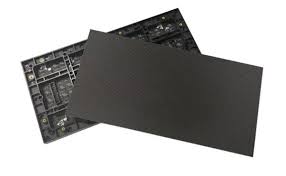
LED taxi displays primarily serve to communicate key information such as taxi availability, fare rates, advertisements, and even real-time navigation cues. These displays typically utilize high-brightness SMD (Surface Mounted Device) LEDs to ensure visibility in diverse lighting conditions—ranging from bright daylight to nighttime urban streets.
Key technical specifications include:
- Pixel Pitch: Commonly between 2.5mm to 6mm for close viewing distances, ensuring sharp and clear text or graphics.
- Brightness: Ranges from 1000 to 4000 nits, depending on the installation location (roof-mounted displays often require higher brightness).
- Refresh Rate: Minimum 1920Hz to avoid flicker in video capture devices such as security cameras or smartphone lenses.
- Power Consumption: Optimized driver ICs and efficient LED chips reduce energy consumption, vital for vehicles relying on limited power sources.
- Ingress Protection (IP Rating): Typically IP65 or higher to withstand harsh weather conditions, dust, and vibration from vehicle movement.
Functional Benefits in Urban Mobility
Integrating LED displays into taxis introduces multiple operational advantages:
1. Real-Time Status Display: Dynamic text such as “Available,” “Occupied,” or “Off Duty” can be instantly updated, providing clarity and reducing passenger wait times.
2. Advertising Revenue Streams: Full-color LED screens enable taxis to serve as moving advertising platforms, displaying dynamic content tailored to location and time, supported by IoT connectivity for automated content delivery.
3. Enhanced Passenger Information: Displays can show route updates, fare estimates, or health safety messages, promoting transparency and passenger comfort.
4. Improved Safety: With rapid switching capabilities, LED panels can alert nearby pedestrians and vehicles during emergencies or traffic incidents.
Industry Standards and Implementation
To ensure reliability and performance, LED taxi displays must comply with industry regulations such as:
- CIE 1931 Color Space Compliance: Ensures consistent color rendering critical for text readability under varied ambient lighting.
- IEC 60529 (IP Code): Guarantees protection against water and dust ingress.
- SAE J1939 Protocol Compatibility: Facilitates vehicle data integration for synchronized display updates, essential for real-time status and information management.
Leading global cities such as Singapore, London, and New York have adopted LED taxi displays in their fleets, integrating them into broader smart transportation frameworks. These case studies demonstrate improvements in fleet management efficiency and enhanced passenger experience, contributing to reduced traffic congestion and higher public transport utilization rates.
Challenges and Future Directions
Despite their benefits, LED taxi displays face challenges including:
- Power Management: Ensuring energy efficiency in vehicles where battery capacity is limited, particularly for electric taxis. Advanced driver IC designs and adaptive brightness controls mitigate this issue.
- Durability: Continuous exposure to vibration, temperature fluctuations, and weather necessitates robust mechanical and electrical design solutions.
- Data Connectivity: Integrating with cloud platforms to provide dynamic content requires reliable wireless communication which can be complex in high-mobility scenarios.
Looking ahead, the convergence of AI-powered content management, 5G connectivity, and augmented reality (AR) holds promise for next-generation LED taxi displays. These technologies will enable hyper-personalized passenger experiences, real-time multilingual translation services, and adaptive route information tailored to traffic and environmental conditions.
Conclusion
LED taxi displays represent a resilient, efficient, and multifunctional solution pivotal to the digitization of urban transport systems. Their ability to deliver high visibility, dynamic content, and enhanced safety features directly contributes to modern smart city goals. For manufacturers, urban planners, and taxi operators, understanding technical parameters, adhering to standards, and prioritizing sustainable design are essential steps in harnessing the full potential of LED taxi display technology. The continued evolution of this technology will play a critical role in shaping the future of urban mobility worldwide.













