

Advanced LED Display Manufacturing: Technical Insights and Industry Standards for Optimal Performance
In the rapidly evolving world of digital signage and display technology, LED displays have emerged as the preferred solution for a wide range of applications, from outdoor advertising billboards to indoor control rooms. An authoritative understanding of LED display manufacturing processes, technical parameters, and compliance with industry standards is critical for engineers and manufacturers aiming to deliver optimized, high-performance displays.
Fundamentals of LED Display Technology
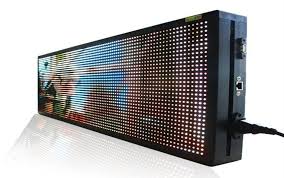
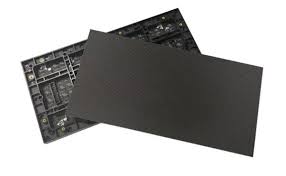
LED displays consist of an array of light-emitting diodes arranged in pixel formations to produce images and videos with high brightness and color vibrancy. The core components include SMD (Surface Mounted Device) or DIP (Dual Inline Package) LEDs, driver ICs, PCB substrates, and front-end control systems.
Key parameters defining LED display quality include:
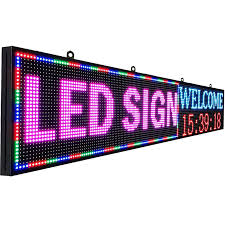
- Pixel Pitch: The distance between the centers of two adjacent pixels, typically ranging from 0.9mm for fine-pitch indoor displays to over 10mm for large outdoor screens. Smaller pixel pitch yields higher resolution and image clarity.
- Brightness: Outdoor LED displays require luminance levels between 5,000 and 10,000 nits to ensure readability under direct sunlight, whereas indoor displays perform optimally at 800 to 1,200 nits to prevent eye strain.
- Refresh Rate: A critical factor to reduce flickering, particularly in broadcast environments. Industry-leading displays offer refresh rates of at least 3,840Hz, adhering to standards such as the Video Electronics Standards Association (VESA) guidelines.
- Viewing Angle: Horizontal and vertical viewing angles typically exceed 120°, ensuring image uniformity regardless of the audience position.
Manufacturing Process Nuances
The manufacturing process of LED displays demands precision and strict quality control. The sequence typically involves:
1. LED Bin Sorting: LEDs are sorted by brightness, wavelength (color), and forward voltage to ensure uniformity and prevent color inconsistency.
2. PCB Manufacturing and Soldering: High-quality FR4 or metal core PCBs are used to enhance heat dissipation. Automated SMT (Surface Mount Technology) assembly lines solder LEDs and driver ICs with exacting tolerances.
3. Module Assembly and Testing: Individual LED modules undergo rigorous testing procedures, including luminance calibration, color uniformity checks using spectroradiometers, and waterproofing for outdoor applications.
4. Cabinet Fabrication: Robust die-cast aluminum or steel cabinets provide structural integrity and thermal management. Precision alignment mechanisms ensure seamless tile installation.
Industry Standards and Certification
Compliance with international standards guarantees the reliability and safety of LED displays:
- IEC 62368-1 for safety of audio/video and information technology equipment.
- IP Ratings (usually IP65 or higher for outdoor displays) certify resistance against dust and water ingress.
- RoHS (Restriction of Hazardous Substances Directive) ensures environmentally friendly material usage.
- UL Certification verifies electrical safety.
Furthermore, performance standards endorsed by the Digital Signage Federation and the International Electrotechnical Commission (IEC) assist manufacturers in delivering durable and energy-efficient products.
Case Study: Large-Scale Outdoor LED Billboard Implementation
A recent project involving the installation of a 500-square-meter outdoor LED billboard in a metropolitan area exemplified the importance of stringent manufacturing and design parameters. The display employed a 10mm pixel pitch LED panel with a brightness capacity of 8,500 nits, ensuring excellent visibility both day and night. The modules featured IP67 waterproofing, and the system incorporated a 4,000Hz refresh rate, eliminating flicker even under high-speed camera capture.
Through precise bin sorting and advanced color calibration, the billboard achieved uniform color temperature across the entire display, enhancing brand visibility and audience engagement. The use of energy-efficient driver ICs followed by proactive thermal management reduced operating costs by approximately 15%.
Future Trends and Innovations
Looking ahead, the LED display industry is poised for growth through innovations such as MicroLED technology, which promises ultra-high resolution and energy efficiency. Additionally, advances in AI-driven color calibration and remote diagnostics optimize display lifespan and reduce maintenance overhead.
In conclusion, the manufacture of LED displays is an intricate interplay of advanced materials, precise engineering, and adherence to strict global standards. Mastery over technical parameters such as pixel pitch, brightness, refresh rate, and environmental certifications empower manufacturers to deliver reliable and superior displays. These displays not only fulfill aesthetic and commercial purposes but also comply with stringent reliability and sustainability requirements, catering to the demands of a discerning global market.
References:
- Video Electronics Standards Association (VESA) Display Standards
- International Electrotechnical Commission (IEC) IEC 62368-1
- Digital Signage Federation guidelines
- RoHS Directive 2011/65/EU
- Case studies from industry leaders such as Samsung Electronics and Leyard Optoelectronics













