

Advanced Technologies and Manufacturing Processes in LED Display Screen Production
The production of LED display screens represents a convergence of advanced technologies, stringent manufacturing processes, and meticulous quality control standards. As demand for LED displays grows across commercial, industrial, and consumer sectors, the importance of integrating expertise and innovation in manufacturing cannot be overstated. This article delves into the technical parameters, manufacturing methodologies, and quality considerations pivotal to the LED display industry, supported by authoritative industry standards and case studies.
Fundamentals of LED Display Manufacturing
LED (Light Emitting Diode) display screens leverage semiconductor diodes that emit light when a current passes through them. The core of manufacturing involves assembling millions of micro-LEDs or SMD (Surface-Mount Device) LEDs onto a substrate to create intricate pixel patterns capable of delivering high-resolution images or videos.
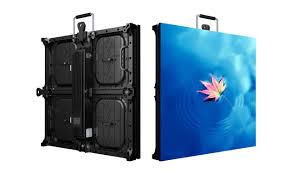
Technically, display resolution, pixel pitch, brightness, contrast ratio, color gamut, and refresh rate are critical specifications defining the performance of an LED display.
- Pixel Pitch: This metric, measured in millimeters, denotes the distance between the centers of adjacent pixels. For example, a 1.5mm pixel pitch offers high-definition output suited for indoor environments, whereas larger pitches like 6mm or above cater to outdoor displays with longer viewing distances.
- Brightness: Measured in nits (cd/m²), brightness typically ranges from 800 nits for indoor displays to over 5,000 nits for outdoor applications, ensuring excellent visibility even in direct sunlight.
- Refresh Rate: Modern LED displays adopt refresh rates above 1920 Hz to prevent flickering and provide smooth image transitions, enhancing viewer comfort and creating immersive experiences.
Manufacturing Techniques
The production process begins with substrate preparation, often using aluminum or FR4 (a flame-retardant composite). The substrates undergo solder paste printing followed by precise placement of LEDs and IC drivers via automated pick-and-place machines.
A critical stage is the reflow soldering process, which ensures reliable electrical and mechanical connections without damaging delicate components. Post-soldering, “conformal coating” is applied to protect circuits against moisture and dust, especially critical for outdoor installations.
Quality Assurance and Testing
Adhering to industry standards such as IEC 62368-1 (Safety) and IEC 61547 (Electromagnetic compatibility) verifies product reliability and user safety. Testing protocols include:
- Burn-in Testing: Operating the screen continuously for 72 hours at elevated temperatures tests component durability.
- Color Calibration: Utilizing instruments like colorimeters to ensure color accuracy and uniformity across the screen.
- Environmental Testing: Simulating conditions like humidity, temperature extremes, and UV exposure to verify operational stability.
Case Study: Deploying LED Displays in Large-Scale Events
A notable example is the production and usage of LED displays at the 2020 Tokyo Olympics. Employing ultra-fine pixel pitches (below 1.2mm), the screens delivered unparalleled clarity for both live audience and broadcast viewers. The manufacturing process demanded superior quality control, quick turnaround times, and flexibility to customize modules for various venues, reflecting the industry's capacity for scaling while maintaining technical excellence.
Emerging Trends and Future Outlook
Current R&D efforts emphasize Micro-LED technology, which offers higher brightness, better energy efficiency, and longer lifespans compared to traditional SMD LEDs. Integration with AI-powered calibration systems is becoming widespread, enabling real-time adjustment to environmental changes and content requirements.
Furthermore, flexible and transparent LED displays are gaining traction, making way for novel applications in retail signage, automotive heads-up displays, and smart architecture.
Conclusion
The manufacturing of LED display screens is a sophisticated process underpinned by exacting technical standards and quality protocols. Mastery of pixel-level engineering, advanced assembly techniques, and rigorous testing ensures the delivery of screens that meet diverse requirements. As innovation continues, LED display technology will remain a cornerstone of visual communication, providing vibrant, reliable, and adaptable digital experiences worldwide.
For professionals working in this field, staying abreast of evolving standards such as IEC, ANSI, and emerging best practices is crucial for maintaining product excellence and competitiveness.













