

Advancements and Technical Insights in Taxi Top LED Displays for Enhanced Urban Mobility
In the evolving landscape of urban transportation, taxi top LED displays have emerged as a pivotal medium for effective communication and dynamic advertising. This technology not only amplifies the visibility of taxis but also serves as a versatile platform for targeted marketing, real-time information dissemination, and enhanced passenger engagement. As a seasoned LED display engineer with extensive experience in LED manufacturing and deployment, this article delves into the critical advancements, technical parameters, and industry standards driving the growth and efficiency of taxi roof sign displays.
Understanding Taxi Top LED Displays
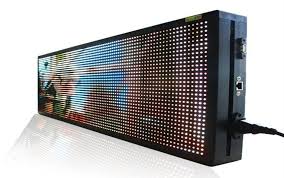
Taxi top displays are specialized LED screens installed on the roofs of taxis, designed to withstand the unique demands of urban mobility environments. These devices are engineered for brightness, durability, and real-time content adaptiveness. Typically sized between 50 to 120 cm in length and 20 to 40 cm in height, they provide optimum readability from various distances and angles, essential for dynamic city traffic conditions.
Key Technical Parameters
1. Brightness and Visibility: High brightness is paramount due to outdoor operation, often requiring luminance levels of 5,000 to 7,000 nits to ensure clear visibility even under direct sunlight as per IEC 62933-1-1 standards.
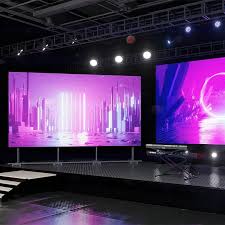
2. Pixel Pitch: Most taxi top LED displays operate within pixel pitches of 2.5 mm to 6 mm, balancing display clarity and cost-efficiency. Smaller pixel pitches yield higher resolution displays, essential for displaying detailed graphics and text.
3. Durability and Protection: These displays incorporate IP65-rated enclosures, assuring protection against dust and water ingress, crucial for all-weather resilience. Shock-resistant and vibration-damped materials are used to counteract the mechanical stresses of rough urban driving.
4. Energy Efficiency: With limited power budgets on vehicles, low power consumption LED modules, often certified under Energy Star or equivalent standards, are implemented to maintain operational efficiency without drainage on vehicle systems.
5. Connectivity and Control: Integration with wireless communication technologies such as 4G/5G and IoT platforms enables real-time content updates and remote diagnostics. This connectivity allows fleet managers and advertisers to switch content dynamically based on location, time, or audience demographics.
Technological Advancements
Recent innovations include the adoption of MicroLED and COB (Chip on Board) LED technologies, significantly enhancing brightness uniformity, pixel density, and energy saving. Additionally, the integration of GPS and ambient light sensors facilitates adaptive brightness control, optimizing display visibility while preventing light pollution during nighttime operation.
Use Case and Practical Applications
Leading taxi fleets globally have embraced LED taxi roof signs not only for advertisements but also for public service announcements and interactive customer interfaces. For instance, in cities such as London and New York, these displays dynamically communicate traffic updates, weather alerts, or promotional campaigns, augmenting the taxi service value proposition. Data from a 2022 market research report by Grand View Research projects a compound annual growth rate (CAGR) of approximately 11% in digital outdoor advertising, with taxi top LED displays as a significant growth segment.
Installation and Maintenance Considerations
Professional installation ensures correct aerodynamic positioning to minimize drag and prevent undue wear. Regular maintenance schedules involving module replacements, waterproofing seals, and firmware updates maintain consistent performance. Adhering to ISO 9001 standards in manufacturing and quality assurance further guarantees product reliability.
Compliance and Regulatory Framework
Taxi top LED displays must comply with local transport authority regulations concerning size, luminosity, and content acceptability to prevent driver distraction or public nuisance. Documentation adherence to guidelines like the National Electrical Manufacturers Association (NEMA) enclosure standards is mandatory.
Conclusion
Taxi top LED displays represent a sophisticated intersection of advanced LED technology, urban mobility requirements, and impactful advertising solutions. Their continuous innovation enhances urban transportation ecosystems by offering real-time, visually compelling content that engages passengers and pedestrians alike. Leveraging industry best practices, quality manufacturing, and intelligent content management is critical to maximizing their potential and shaping the future of connected, smart taxi services.
For further reading on LED display standards and materials, consult IEC 62933, NEMA enclosure specifications, and recent digital advertising market analytics published by Grand View Research.













