

Advanced Techniques and Standards in LED Display Manufacturing for Optimal Performance
In the rapidly evolving field of display technology, LED (Light Emitting Diode) displays have established themselves as the backbone of modern visual communication, thanks to their superior brightness, contrast, and energy efficiency compared to traditional LCDs and other display types. As a professional LED display engineer with extensive experience in manufacturing, calibration, and quality assurance, I will delve into the crucial technical parameters, advanced manufacturing techniques, and industry standards that ensure LED displays achieve their full potential in both indoor and outdoor environments.
Core Technical Parameters of LED Displays
The performance of an LED display system is primarily dictated by several key parameters:
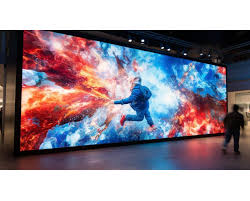
- Pixel Pitch: This is the distance between the centers of two adjacent pixels, typically measured in millimeters. Pixel pitch significantly influences display resolution and viewing distance. For example, an indoor display with a 1.25 mm pixel pitch delivers ultra-high resolution suitable for close viewing, whereas an outdoor billboard often features a pitch of 10 mm or greater, prioritizing visibility at long distances and durability.
- Brightness: Measured in nits (cd/m²), typical indoor LED panels range from 800 to 1200 nits, while outdoor panels require brightness levels of 5000 nits or more to combat direct sunlight. High brightness is pivotal for image clarity and vibrancy, especially under varying ambient light conditions.
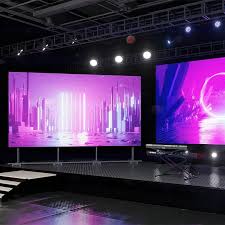
- Refresh Rate: The refresh rate, often 1920 Hz or higher, determines how frequently the display content is updated per second. A higher refresh rate is critical for reducing flicker and ensuring smooth motion rendering, particularly in broadcasting environments and video walls.
- Viewing Angle: Modern LED modules achieve wide viewing angles (up to 160° horizontally and vertically), ensuring consistent color and brightness perception from various vantage points. This parameter is vital for applications like public information displays and stadium screens.
- Color Depth and Calibration: With 16-bit color depth or more, LED displays can render billions of colors. Precise calibration using automated, spectrally accurate equipment guarantees uniformity of color temperature and brightness across the display surface, minimizing discrepancies that degrade image quality.
Manufacturing Excellence: Processes and Materials
The manufacturing of high-performance LED displays integrates advanced materials and precision assembly processes:
- SMD vs. DIP LED Technology: Surface-Mounted Device (SMD) LEDs, which combine red, green, and blue LED chips into a single package, dominate indoor applications due to their compactness and superior color blending. Conversely, Dual In-line Package (DIP) LEDs maintain advantages in durability and brightness, preferred for harsher outdoor environments.
- PCB and Module Design: High-quality FR4 or aluminum PCBs with efficient heat dissipation pathways are essential to maintain LED longevity. Modules undergo rigorous testing for thermal management, moisture resistance (IP65 rating or higher for outdoors), and mechanical stability.
- Automated Pick-and-Place Assembly: State-of-the-art pick-and-place machines place LED chips with micron-level accuracy, ensuring uniform pixel distribution. This precision significantly reduces pixel failures and enhances overall display uniformity.
- Quality Control and Testing Standards: Compliance with industry standards such as IEC 62087 (methods of measurement of power consumption), MIL-STD-810 (environmental engineering considerations), and ANSI/IES RP-27-1 (electrical and lighting requirements) is mandatory. Testing includes burn-in procedures, luminance uniformity checks, color consistency audits, and environmental stress simulations.
Industry Standards and Certification
Global standards organizations and certification bodies define benchmarks that guide LED display manufacturing and deployment:
- UL Certification: Ensures product safety, especially electrical safety compliance in manufacturing environments. UL-certified LED panels meet rigorous safety testing protocols.
- RoHS Compliance: Restricts hazardous substances in LED modules, ensuring environmental sustainability and user safety.
- Energy Efficiency: Adherence to ENERGY STAR or comparable certifications underscores the importance of power conservation without compromising display performance.
Case Study: High-Definition Indoor Video Wall Implementation
A recent project involved manufacturing a 4K resolution indoor LED video wall with a 1.56 mm pixel pitch for a corporate auditorium. Challenges included achieving seamless color uniformity over a 20 square meter panel and ensuring ultra-high refresh rates to support broadcast-grade video. By implementing multi-point color calibration systems and selecting premium SMD LEDs with 1920 Hz refresh rate drivers, the finalized display delivered vibrant, flicker-free imagery. Post-installation audits showed an overall pixel failure rate below 0.0001%, meeting stringent reliability targets.
Conclusion
The maturation of LED technology hinges on meticulous manufacturing processes, stringent adherence to technical standards, and continual calibration innovations. For engineers and manufacturers, understanding the interplay between pixel pitch, brightness, refresh rate, and materials science is crucial to developing LED displays tailored for diverse applications from retail signage to large-scale outdoor stadium screens. Following global safety and environmental standards further enhances product reliability and consumer trust. As the industry moves toward micro-LED and mini-LED advancements, the foundational principles discussed remain invaluable for delivering exceptional visual experiences worldwide.
References:
- IEC 62087: Methods of measurement of power consumption
- ANSI/IES RP-27-1: Electrical and lighting requirements for display technologies
- UL Standards for Safety Certification
- Energy Star Program Requirements for Displays, Version 8.0
- "LED Display Technology," Journal of Display Technology, IEEE, Vol. 14, No. 5, 2018













