

Advancements and Practical Insights into LED Display Technology in Modern Applications
LED display technology stands as a cornerstone in modern digital visualization, offering unparalleled brightness, color accuracy, and energy efficiency. As a professional LED display engineer with years of experience, I aim to elucidate the technical depth, practical uses, and evolving trends that shape LED displays' role in diverse industries worldwide.
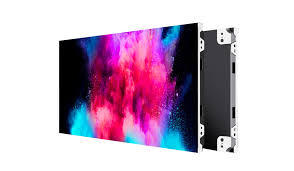
At its core, an LED display comprises an array of light-emitting diodes that form pixels capable of producing vibrant, high-contrast images. The fundamental parameters defining LED displays include pixel pitch, brightness (cd/m²), refresh rate (Hz), viewing angle, and color gamut. Typical outdoor LED displays feature a pixel pitch between 5mm and 20mm to balance resolution and visibility at distance, while indoor displays may range as fine as 0.9mm to deliver ultra-high-definition imaging essential for control rooms or medical environments. Brightness levels can exceed 6,000 cd/m² outdoors, facilitating readability even under direct sunlight, whereas indoor displays usually operate around 800-1,000 cd/m² to ensure comfortable viewing without glare.
Practical Applications
Practically, LED displays are omnipresent—from colossal outdoor advertising billboards and stadium screens, to dynamic retail signage and transportation hubs. In event production, large-scale LED video walls deliver immersive visual experiences via seamless color rendition and stable frame rates upwards of 2,000 Hz, crucial for capturing slow-motion footage without flicker. In control centers, high-resolution LED panels enable real-time monitoring with minimal latency, supported by modular designs allowing scalability and rapid maintenance.
The rise of transparent LED displays exemplifies innovation, combining aesthetic integration with information display, especially in retail storefronts and automotive applications. Meanwhile, flexible LED panels expand the installation possibilities, conforming to curved structures and offering novel interactive experiences.
Advantages
The advantages of LED technology are multifold. Compared to LCD and projection systems, LEDs exhibit superior energy efficiency, with power consumption lowered by up to 30-50% due to direct light emission and localized dimming capabilities. Maintenance is simplified via modular construction allowing individual module replacement without extensive downtime. LEDs also afford near-instantaneous response times under 1ms, enhancing video clarity and reducing motion blur—vital for broadcasting and live events.
Additionally, longevity and reliability remain standout benefits. Modern LEDs have operational lifespans exceeding 100,000 hours at optimal brightness conditions, adhering to industry standards such as IEC 62717, which guides performance and safety metrics. Thermal management is achieved through advanced heat dissipation techniques including aluminum backplanes and integrated cooling fans, ensuring consistent performance even in extreme environments.
Common Problems and Troubleshooting
Despite their robustness, LED displays encounter challenges. Common problems include pixel failure (dark or stuck pixels), color inconsistency, flickering, and calibration drift. Pixel failure often arises from solder joint fatigue or power supply anomalies, necessitating regular inspection using automated scanning tools and thermal imaging. Color calibration drift, influenced by LED aging and environmental factors, demands periodic recalibration via spectroradiometers and software algorithms conforming to standards like ITU-R BT.2100 for HDR content.
Moisture ingress and dust contamination, especially in outdoor installations, can degrade panel performance; hence IP65-rated enclosures or are critical to ensure ingress protection per IEC 60529 standards. Power surges and signal interference require robust electrical design including surge protectors and shielded cables to prevent damage and maintain signal integrity.
Latest Trends and Innovations
The LED industry is propelled by trends emphasizing miniaturization, smarter control systems, and greener manufacturing processes. Micro-LED technology, with individual LEDs measuring less than 100 microns, promises unprecedented pixel densities and energy efficiency, poised to revolutionize wearables and AR/VR displays. Integration of AI-driven diagnostics enables predictive maintenance, reducing downtime by analyzing operational anomalies in real-time.
The convergence of LED with IoT architectures introduces remote management, dynamic content adaptation, and interactive capabilities. Sustainability efforts focus on lead-free soldering, recyclable materials, and low-heat production methods aligned with RoHS and WEEE directives.
In summation, LED display technology embodies a versatile, advancing platform. Its practical advantages, from visual excellence to operational efficiency, make it indispensable across sectors. Addressing challenges through rigorous standards and innovation ensures LED displays will continue enhancing communication and entertainment on a global scale.













