

High-Brightness 2000 Nits Monitors: Technical Insights and Practical Applications
In the rapidly evolving world of display technology, 2000 nits monitors have emerged as a pivotal advancement, catering to diverse environments where enhanced brightness and visibility are paramount. Understanding the technical parameters, practical benefits, and industry standards behind these high-brightness monitors is essential for professionals and end-users alike.
Understanding Nits and Brightness Levels
Brightness in displays is measured in nits, with one nit equating to one candela per square meter (cd/m²). Traditional monitors usually offer 200 to 300 nits, suitable for standard indoor settings. However, a 2000 nits monitor delivers brightness levels nearly ten times higher, ensuring exceptional visibility even in brightly lit environments. This high luminance makes it ideal for outdoor digital signage, medical imaging, professional video editing, and industrial applications where ambient light can substantially wash out lower-brightness screens.
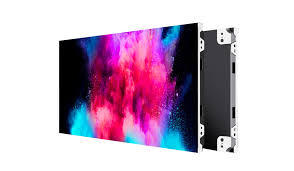
Technical Characteristics of 2000 Nits Monitors
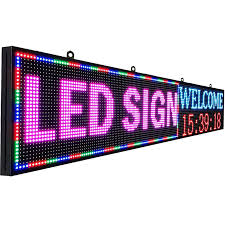
Achieving a peak brightness of 2000 nits requires advanced engineering and component selection. Key technical parameters include:
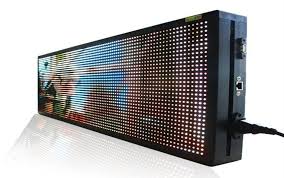
- LED Backlighting: Most 2000 nits monitors use powerful, high-efficiency LED backlights capable of sustaining intense luminance without rapid degradation. The choice between direct LED backlighting and edge-lit LED designs affects uniformity and power consumption.
- Panel Technology: IPS (In-Plane Switching) and VA (Vertical Alignment) LCD panels are common choices due to their color accuracy and contrast ratios. When paired with high-brightness backlights, these panels can maintain color fidelity without excessive washout.
- Thermal Management: High brightness levels generate increased heat. Effective heat dissipation using integrated heat sinks, fans, or thermal pads is crucial to maintain optimal performance and extend panel lifespan.
- Power Consumption: The energy demand for a 2000 nits monitor is significantly higher. Manufacturers optimize power supplies and backlight drivers to balance brightness with energy efficiency, often adhering to standards such as Energy Star or IEC 62087 for energy measurement in audiovisual equipment.
Industry Standards and Certifications
Compliance with authoritative standards ensures reliability and quality:
- IEC 60950 / IEC 62368: Safety standards for electronic equipment.
- ISO 9241-307: Specifies performance requirements for visual display ergonomics, including brightness and contrast.
- HDR Standards (HDR10, Dolby Vision): Integration of HDR improves dynamic range, complementing high brightness to enhance visual realism.
Adhering to these standards guarantees the monitors can deliver consistent output and remain safe for prolonged use.
Applications of 2000 Nits Monitors
1. Outdoor Digital Signage: High ambient light outdoors can render traditional monitors ineffective. 2000 nits displays maintain legibility and vibrant colors in direct sunlight, crucial for advertising boards, information kiosks, and navigation aids.
2. Broadcast and Post-Production: Professional color grading demands accurate color representation and brightness. High-luminance monitors facilitate precise HDR content editing as per Rec. 2100 and DCI-P3 color space requirements.
3. Medical Imaging: Intense brightness helps in distinguishing subtle diagnostic details on radiology displays or microscopy monitors, where precision is non-negotiable.
4. Industrial and Manufacturing: These environments often feature varying lighting conditions. 2000 nits monitors support control rooms and quality inspection systems by providing reliable visuals regardless of ambient interference.
Challenges and Considerations
While 2000 nits monitors offer significant advantages, challenges include:
- Cost: Advanced backlighting and cooling systems increase production costs.
- Power Usage: Higher energy consumption may necessitate infrastructure adjustments.
- Eye Comfort: Screens with excessive brightness in low-light settings can cause discomfort. Hence, adaptive brightness controls or ambient light sensors are integrated for user safety.
Future Trends
With continuous advancements in micro-LED and OLED technologies, we anticipate even brighter yet more energy-efficient monitors entering the market. Additionally, AI-powered dynamic HDR control will optimize brightness according to content and environment in real-time, enhancing both viewer experience and device longevity.
In conclusion, 2000 nits monitors represent a fusion of intricate engineering and practical design, driving innovation in multiple sectors where display performance cannot be compromised. By understanding their technical specifications, adhering to stringent standards, and appreciating their application scope, professionals can make informed choices tailored to demanding operational environments.
References:
- International Electrotechnical Commission (IEC) standards: https://www.iec.ch
- VESA DisplayHDR™ Standards: https://displayhdr.org
- Energy Star Program Requirements for Displays: https://www.energystar.gov/products/displays
- Society for Information Display (SID) Technical Papers













