

Optimizing Taxi Digital Signage: Technology, Applications, and Industry Insights
In the evolving landscape of urban transportation, taxi digital signage has emerged as a pivotal medium for communication, advertising, and passenger engagement. As modern cities embrace digital transformation, the integration of advanced LED display technology within taxis has transformed traditional static signs into interactive, dynamic platforms that enhance both operational efficiency and marketing impact.
Understanding Taxi Digital Signage Technology
Taxi digital signage denotes the utilization of cutting-edge LED or LCD screens mounted on various parts of a taxi, including rooftop displays, interior headrests, or dashboard screens. These displays deliver vibrant, high-resolution images and videos, capable of adapting content based on location, time, and audience demographics through advanced content management systems (CMS).
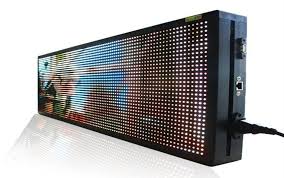
Technically, contemporary taxi digital signs typically employ high-brightness LED panels with brightness levels ranging from 2,500 to 6,000 nits, ensuring excellent visibility even under direct sunlight. Pixel pitch—a critical parameter indicating the distance between LED pixels—is optimized between 4mm to 10mm in these applications, balancing image clarity with cost-efficiency. The panels often possess wide viewing angles (up to 160 degrees horizontally), which is essential for capturing attention from multiple pedestrians and vehicles.
Moreover, integrating GPS and 4G/5G connectivity facilitates location-based advertising, allowing content to dynamically adapt depending on the taxi’s route or proximity to businesses. This precision-targeted advertising enhances engagement metrics and revenue generation.
Applications and Benefits of Taxi Digital Signage
1. Dynamic Advertising Platform: Unlike traditional static taxi signs, digital signage allows fleet owners and advertisers to deploy multiple campaigns, update messages in real-time, and measure campaign effectiveness. This flexibility supports various ad formats, including video ads, rich media, and interactive promotions.
2. Passenger Engagement and Information: Interior digital screens in taxis serve as a conduit for infotainment, delivering news, weather updates, public service announcements, and even interactive options such as ride details and payment prompts. This not only elevates passenger experience but also opens new monetization avenues through sponsored content.
3. Operational Improvements: Taxi operators benefit from digital signage by using it to communicate driver behavior alerts, route information, or weather warnings, enhancing safety. Additionally, data analytics derived from sign interactions support service optimization.
Industry Standards and Best Practices
Implementing taxi digital signage demands adherence to rigorous technical and safety standards. For example, IP65-rated enclosures ensure protection against dust and rain, necessary for rooftop installations exposed to environmental conditions. Compliance with electromagnetic compatibility (EMC) standards (e.g., EN 55032) prevents interference with vehicle electronics.
From a power perspective, efficient low-voltage DC power design is standard, typically operating at 12V to 24V, with integrated battery backup systems to maintain operation during engine-off states. Robust heat dissipation mechanisms are imperative to maintain longevity, especially with continuous operation under high ambient temperatures.
Case Studies Demonstrating Impact
In New York City, taxi digital signage adoption has resulted in a 30% increase in advertising revenue for taxi fleets, as reported by the Digital Signage Federation (DSF, 2023). Similarly, companies like DoohMedia have successfully integrated GPS-triggered content changes, increasing ad engagement rates by over 40% in pilot programs.
Moreover, cities like London and Tokyo are leveraging taxi interiors to provide multilingual content, improving accessibility for tourists which enhances their urban transport experience. These implementations underscore the role of digital signage in smart city initiatives, aligning transportation services with digital urban ecosystems.
Future Trends and Considerations
The next wave for taxi digital signage will involve greater interactivity powered by AI and IoT integration. Gesture recognition, voice commands, and personalized content delivery based on passenger profiles are anticipated to redefine user interaction paradigms.
Additionally, sustainability considerations prompt manufacturers toward energy-efficient components and recyclable materials, aligning with global environmental standards and reducing operational carbon footprints.
In conclusion, taxi digital signage represents a convergence of advanced display technology and urban mobility, offering compelling benefits for operators, advertisers, and passengers alike. By adhering to technical standards and embracing evolving technologies, stakeholders can unlock new value streams while enhancing the urban transportation experience.













