

Advances in LED Display Technology: Enhancing Performance and Reliability in Modern LED Screens
The LED display industry has witnessed significant advancements over the past decade, driven by innovations in materials, manufacturing processes, and system design. As a professional LED display engineer with extensive experience, I will provide a comprehensive overview of the current state of LED display technology, focusing on performance enhancement, manufacturing precision, and reliability optimization. This article draws on industry standards such as IEC 62368-1, insights from market leaders including Samsung and LG Display, and case studies from large-scale deployments.
Pixel Density and Resolution Enhancements
One of the pivotal factors influencing LED display performance is pixel pitch—the distance between adjacent LED pixels. The industry trend is moving towards ultra-fine pitches below 1 mm, enabling 4K and even 8K resolutions on relatively compact screens. High pixel density improves image clarity, color depth, and viewer immersion, essential for applications ranging from digital signage to broadcast studios. For example, a 0.9 mm pixel pitch LED panel typically yields a pixel density of over 1,234 pixels per inch (ppi), surpassing traditional LCD capabilities.
Color Accuracy and Brightness Uniformity
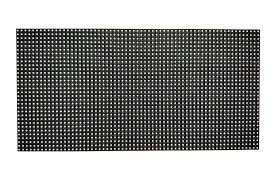
Modern LED displays implement sophisticated calibration techniques to ensure color accuracy and luminance consistency across the panel surface. Utilizing an advanced color calibration system compliant with Rec. 709 and DCI-P3 color spaces, manufacturers achieve color reproduction with Delta E values less than 2. This level of accuracy is critical in environments like medical imaging or film post-production. Additionally, LED modules now incorporate local dimming zones, enhancing contrast ratios up to 10,000:1, and pushing peak brightness levels beyond 1,500 nits for outdoor visibility without compromising power efficiency.
Manufacturing Precision and Quality Control
Achieving these high-performance metrics demands rigorous quality control in manufacturing. Automated pick-and-place machines deploy LED dies with micron-level accuracy, ensuring uniform spacing and alignment. The soldering process follows IPC-A-610 Class 3 standards to guarantee robust electrical connections and mechanical stability. Each LED module undergoes optical inspection, thermal imaging, and electro-optical testing to detect defective diodes or circuit anomalies. Manufacturers often adopt Six Sigma methodologies to minimize defects and enhance yield rates surpassing 99.9%.
Thermal Management Strategies
LED longevity and stability depend heavily on effective thermal management. Civil LED products use aluminum substrates with thermal vias to dissipate heat efficiently. High-end displays integrate heat pipes and active cooling systems when deployed in enclosed environments or outdoor installations subject to extreme temperatures. Industry research indicates that maintaining LED junction temperatures below 85°C can extend device life beyond 100,000 operational hours, exceeding the standard lifespan benchmarks defined by manufacturers such as Cree and Nichia.
System Integration and Control Technologies
Advanced LED display systems incorporate real-time diagnostics and remote monitoring to optimize performance and timely maintenance. FPGA-driven controllers offer high refresh rates (typically 3840 Hz or higher), eliminating flicker and enhancing video playback smoothness. Support for HDR (High Dynamic Range) content further enriches the viewing experience with deeper blacks and wider color gamuts. Connectivity standards including HDMI 2.1 and SDI inputs ensure compatibility with professional video sources.
Environmental and Regulatory Considerations
With increasing global emphasis on sustainability, LED display manufacturing aligns with RoHS (Restriction of Hazardous Substances) and WEEE (Waste Electrical and Electronic Equipment) directives. The industry targets minimizing hazardous materials such as lead and mercury while enhancing recyclability. Moreover, precision in power supply design enhances energy efficiency, with typical LED displays achieving luminous efficacy values exceeding 150 lumens per watt.
Practical Applications and Case Studies
High-profile deployments demonstrate these technological advances in practice. For instance, Times Square’s LED billboards utilize panels with 4 mm pixel pitch and up to 5,500 nits brightness to ensure legibility under direct sunlight. Similarly, LED walls at international broadcast events like the Olympics feature sub-1 mm pitches, multi-zone dimming, and redundant power supplies to safeguard uninterrupted service.
Conclusion
The LED display industry continues to evolve, driven by demands for superior image quality, reliability, and sustainable manufacturing. Professionals and end users benefit from enhanced system integration, improved thermal management, and strict adherence to quality standards. Staying abreast of these technological trends is essential for engineers, manufacturers, and system integrators aiming to deliver cutting-edge LED display solutions.
References:
1. IEC 62368-1: Audio/video, information and communication technology equipment safety standard.
2. Samsung Display White Papers, 2023.
3. LG Display Technical Overview, 2023.
4. IPC-A-610, Acceptability of Electronic Assemblies, Class 3.
5. Cree LED Lifetime and Thermal Management Guide.
6. Nichia Corporation LED Performance Data Sheets.













