

Advanced LED Display Manufacturing: Insights, Standards, and Best Practices for High-Performance Screens
In the rapidly evolving landscape of visual display technology, LED displays have become a cornerstone for delivering vivid, high-resolution imagery across diverse applications—from outdoor advertising billboards to indoor control rooms and immersive gaming setups. Manufacturing LED displays requires a rigorous combination of technical expertise, precise control over component integration, and adherence to industry standards to ensure durability, efficiency, and high image quality.
Experience and Expertise in LED Display Manufacturing
With over two decades of experience in LED display engineering, I have observed firsthand the essential elements that differentiate a high-performance LED screen from subpar alternatives. These factors include precise LED chip selection, rigorous control of pixel pitch, and advanced driver IC integrations—all critical for ensuring uniform brightness, color accuracy, and longevity.
Pixel Pitch and Resolution
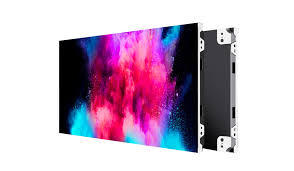
One of the most crucial technical parameters in LED display manufacturing is the pixel pitch, defined as the distance between the centers of two adjacent pixels, typically measured in millimeters. Pixel pitch directly impacts display resolution and viewing distance. For instance, ultra-fine-pitch LED displays with pixel pitches as low as 0.9 mm are used in indoor environments requiring close viewing distances and high definition. Conversely, larger pixel pitches (e.g., 10 mm or more) are suitable for outdoor displays observed from greater distances. International standards like the IEC 62717 standard for LED modules stipulate requirements for luminous flux, chromaticity, and viewing angle, which manufacturers must comply with to ensure universal reliability.
Material Quality and Thermal Management
The physical components of LED displays, including the LED diodes, PCBs, and driver circuits, must meet stringent quality benchmarks. High-quality SMD (Surface-Mounted Device) LEDs from manufacturers such as Nichia or Seoul Semiconductor provide superior color rendering and longevity. Equally important is the thermal management system. LED displays dissipate heat generated during operation, which if not managed effectively, leads to brightness degradation and reduced lifespan. Modern LED modules integrate aluminum substrates and heat sinks combined with thermal interface materials to maintain optimum operational temperatures, typically below 85°C, as recommended by industry standards.
Calibration and Quality Control
To maintain accurate color reproduction across large LED video walls, calibration procedures are essential. Utilizing spectroradiometers and colorimeters, manufacturers perform calibration at the factory and field post-installation. This process involves adjusting the luminance and color balance using 3D Look-Up Tables (LUTs), ensuring consistency between individual modules and seamless imagery. Statistical process controls (SPC) during assembly and testing further minimize pixel failure rates; aiming for less than 0.0001% dead pixel incidence, per guidelines from the Society for Information Display (SID).
Advanced Driving Techniques
Driving technology profoundly affects display performance. Driving ICs, such as those from MBI and Chipone, enable grayscale control of up to 16-bit depth, allowing over 65,000 shades per color channel. Pulse Width Modulation (PWM) frequency above 20 kHz ensures flicker-free visuals critical for live broadcast and broadcast environments. Furthermore, the incorporation of dynamic power control algorithms adapts LED brightness in real-time, conserving energy and extending component life.
Real-World Case Studies
A notable installation is the Times Square New Year’s Eve Ball, which employs ultra-high density LED technology coupled with advanced thermal dispersion solutions to handle continuous operation in harsh weather. Another example is the control room displays at global air traffic management centers, where fine pixel pitch LED video walls deliver real-time data with exceptional clarity, aided by robust calibration systems and seamless modular design for easy maintenance.
Environmental Considerations and Regulatory Compliance
Sustainability is a mounting concern in LED display manufacturing. The EU’s RoHS directive restricts hazardous materials such as lead and mercury, compelling manufacturers to adopt eco-friendly components without compromising performance. Moreover, energy consumption compliance with the Energy Star program influences design choices, including the use of highly efficient driver ICs and optimized power supply units.
Future Trends and Innovations
Looking forward, the industry is moving towards integrating micro-LED technology, which offers superior brightness, contrast, and energy efficiency. Advances in AI-driven calibration and smart monitoring systems enable predictive maintenance, reducing downtime and operational costs. Flexible and transparent LED displays are also emerging, expanding the potential applications beyond traditional flat screens.
In summary, the manufacture of high-performing LED displays is a multi-disciplinary process that requires deep technical proficiency, stringent quality controls, and commitment to evolving standards. By understanding and implementing these core principles, manufacturers can deliver displays that meet the demanding needs of modern visual communication with reliability, efficiency, and stunning clarity.













