

Advanced Manufacturing Techniques and Quality Control in LED Display Screens
In the rapidly evolving landscape of visual display technology, LED display screens stand out as exemplary solutions for delivering high brightness, superior contrast, and excellent color reproduction. This article provides an in-depth exploration of advanced manufacturing techniques and stringent quality control processes critical to producing cutting-edge LED display panels in modern factories.
LED (Light Emitting Diode) display technology has matured significantly, with applications spanning from outdoor advertising billboards to indoor conference walls and stadium screens. The industry rigorously follows international standards such as IEC 62087 for energy efficiency and IEC 62368 for safety requirements, ensuring end users receive reliable and safe products.
Component Selection and Material Quality
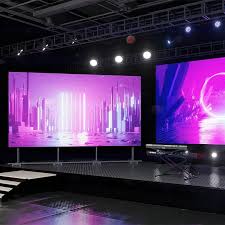
The first crucial step in manufacturing begins with selecting high-quality LEDs. Key parameters include luminous efficacy, wavelength consistency, and thermal stability. For example, SMD (Surface Mount Device) LEDs with 3-in-1 RGB configurations achieve excellent color uniformity and longer lifespan. Suppliers typically provide binning data on luminous intensity and chromaticity coordinates, essential for uniform brightness and color calibration during production.
Surface Mount Technology (SMT) Precision
SMT machines place thousands of LEDs accurately on PCB boards within ±0.1 mm tolerance. This precision impacts pixel pitch accuracy—commonly between 0.9 mm and 10 mm—to determine screen resolution and viewing distance. Modern SMT techniques leverage closed-loop vision systems to detect component alignment and minimize placement defects, enhancing assembly yields above 98%.
Thermal Management Innovations
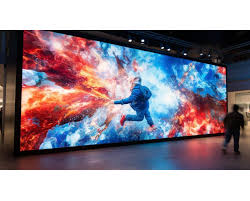
Efficient heat dissipation directly influences LED lifespan and performance. Manufacturers use aluminum-core PCBs combined with thermal interface materials to maintain junction temperatures below 85°C under typical operation. Thermal simulations during design and thermal imaging inspections during assembly ensure hotspots are mitigated, thus preventing early failures.
Modular Panel Assembly and Calibration
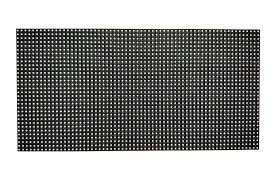
LED display screens feature modular designs for easy transport and installation. After mechanical assembly, factory calibration processes adjust the brightness and chromaticity of each module. Advanced calibration systems employ spectroradiometers and colorimeters to align each pixel within tolerances under ±3% for brightness and ΔE< 3 for color difference, ensuring seamless image uniformity across large screens.
Quality Control and Reliability Testing
The LED display industry enforces rigorous quality assurance standards, including:
- Burn-In Testing: Continuous operation for 72 hours at elevated temperature and humidity tests the stability of electrical and optical parameters.
- Ingress Protection (IP) Testing: Outdoor LED displays must meet IP65 to IP68 ratings, confirmed via dust and water immersion tests, ensuring durability in harsh environments.
- Electromagnetic Compatibility (EMC): Compliance with CISPR 15 and FCC Part 15 requirements guarantees minimal interference with other electronic devices.
- Mechanical and Shock Tests: Vibration and drop tests validate structural integrity and connection reliability during transportation and usage.
Industry Case Study: Enhancing LED Display Lifespan
A leading manufacturer adopted a novel approach integrating automated optical inspection (AOI) with enhanced thermal testing procedures. By introducing AI-driven defect recognition, the company reduced dead pixels by 40% and extended average product lifespan from 50,000 to over 80,000 hours. Implementing predictive maintenance during production further decreased out-of-box failures by 15%, exemplifying how innovation drives product excellence.
Environmental Considerations and Compliance
Sustainability increasingly drives manufacturing choices. Manufacturers adhere to RoHS and REACH regulations limiting hazardous substances in components and ensure products are recyclable. Additionally, energy-efficient driver ICs and dimming techniques reduce overall power consumption, aligning with global energy conservation goals.
In conclusion, the manufacture of high-performance LED display screens integrates cutting-edge component selection, precision assembly, temperature management, and robust quality control underpinned by international standards. Continuous innovation in production technologies and testing methodologies ensures that manufacturers meet demanding performance requirements while guaranteeing product reliability for diverse global applications.
By understanding and implementing these comprehensive processes, engineers and industry professionals can optimize LED display manufacturing to achieve superior visual quality, longevity, and customer satisfaction.













