

LED Cube Screen Technology and Applications: A Comprehensive Industry Overview
In recent years, the LED display market has witnessed rapid growth and diversification, with LED cube screens emerging as a distinctive innovation in visual display technology. These three-dimensional LED structures are at the forefront of modern LED engineering, offering unparalleled opportunities for immersive advertising, architectural decoration, and interactive media installations.
Understanding LED Cube Screen Technology
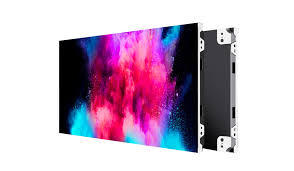
An LED cube screen is a volumetric display composed of multiple layers or matrices of LED pixels arranged in a three-dimensional grid. Unlike traditional flat LED panels, LED cubes provide depth perception by illuminating LEDs at various spatial coordinates, thereby enabling dynamic, floating 3D imagery or animations.
From a technical perspective, the essential parameters that influence the performance of LED cube screens include pixel pitch, brightness, refresh rate, viewing angle, and color fidelity:
- Pixel Pitch: Typically ranging from 10mm to 30mm for cube displays, pixel pitch determines the resolution and sharpness. Smaller pitch values yield finer detail but raise manufacturing complexity.
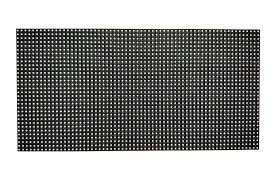
- Brightness: Measured in nits (cd/m²), brightness levels of 1000 to 3000 nits ensure visibility in both indoor and outdoor environments. LED cubes used outdoors require higher brightness and weatherproof enclosures compliant with IP65 or above.
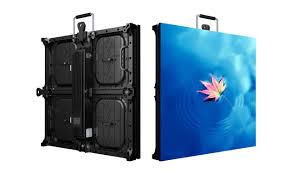
- Refresh Rate: High refresh rates (≥1920 Hz) are critical to reduce flickering and produce smooth dynamic content, especially in 3D animations viewed from multiple angles.
- Viewing Angle: Due to the cube’s 3D nature, LED modules used often incorporate wide viewing angles (120° or more) to maintain consistent image quality across the spatial volume.
- Color Calibration and Uniformity: Achieving RGB color mixing with precise calibration ensures vivid colors and balanced luminance throughout the cube, avoiding color shifts from different viewpoints.
LED cube screen assembly demands advanced control systems to synchronize individual LED layers. Typically, field-programmable gate arrays (FPGAs) or dedicated LED controllers manage the high refresh rates and volumetric positioning data in real-time.
Manufacturing Challenges and Industry Standards
The patented fabrication of LED cube screens involves complex wiring, heat dissipation management, and structural integrity. Supporting the cubic framework with minimal visual obstruction while maintaining robustness is a key design challenge. Manufacturers employ lightweight aluminum alloys and transparent or semi-transparent materials to optimize the cube’s visual appeal.
Thermal management remains crucial; with densely packed LEDs in a volume, heat buildup can compromise performance and lifespan. Manufacturers integrate heat sinks, forced air cooling, or even liquid cooling in large-scale installations.
Adherence to industry standards such as IEC 62368 for safety, RoHS for environmental compliance, and IP rating standards for ingress protection is mandatory to ensure durability and regulatory acceptance globally.
Applications and Case Studies
LED cube screens have found applications in multiple sectors, demonstrating their versatility and impact:
- Advertising and Retail: Brands use LED cubes as eye-catching display units within stores or public spaces. For instance, a global retail chain deployed a 2m³ LED cube in its flagship store, attracting over 30% more foot traffic through immersive promotional displays.
- Cultural and Artistic Installations: Museums and galleries incorporate LED cubes for 3D exhibitions and interactive art, creating captivating visual narratives. The “Light in Motion” exhibit in Berlin showcased a 5-layer LED cube rendering abstract 3D animations synchronized with sound.
- Event and Entertainment: Concerts and festivals utilize LED cubes as stage props or immersive visual backdrops. Their volumetric nature enhances audience engagement by breaking the conventional flat-screen barrier.
- Architectural Integration: LED cubes integrated into building facades provide dynamic lighting effects and information displays, contributing to “smart city” aesthetics and functions.
Future Trends and Innovations
Advancements in micro-LED technology suggest a future where LED cubes can achieve even higher resolution with lower power consumption and improved lifespan. The integration of augmented reality (AR) and IoT capabilities could transform LED cubes into interactive portals responsive to viewer gestures or environmental data.
Moreover, modular designs allow scalability in cube size and pixel density, enabling tailored solutions for diverse applications ranging from small product showcases to massive public installations.
Conclusion
LED cube screens represent a cutting-edge convergence of LED display technology, electronics, and design innovation. Their ability to render volumetric 3D content with vibrant colors and high brightness opens new horizons for advertisers, artists, and architects worldwide. Manufacturers must continue to innovate in terms of material science, thermal management, and electronic control to meet the growing demand for spectacular and reliable LED cube displays.
As the industry evolves with emerging micro-LED technology and smart control systems, LED cube screens are poised to become a standard in immersive digital signage and interactive installations, blending technology seamlessly with experiential marketing and visual expression.
References:
- IEC 62368-1: Audio/video, information and communication technology equipment - Safety requirements.
- RoHS Directive 2011/65/EU on the restriction of hazardous substances.
- Chen, Y. et al., “Thermal Management in Dense LED Arrays,” Journal of Display Technology, vol. 16, no. 3, 2020.
- DisplayWeek Conference Proceedings, Society for Information Display (SID), 2023.
- Market Report: Global LED Display Market Analysis 2024, LEDinside.













