

Advanced Manufacturing Techniques and Quality Control in LED LCD Screen Production
The rapidly evolving LED LCD screen industry demands precision, innovation, and rigorous quality control throughout the manufacturing process. With applications spanning consumer electronics, digital signage, automotive displays, and medical imaging, the manufacturing of LED LCD screens must integrate cutting-edge technologies and adhere to stringent standards to ensure optimal performance, reliability, and longevity.
Introduction
LED LCD screens combine the advantages of light-emitting diode (LED) backlighting with liquid crystal display (LCD) technology, offering enhanced brightness, energy efficiency, and color reproduction. The production of these screens involves multiple stages, each critically impacting the final product’s quality and functionality. This article comprehensively reviews the manufacturing processes, key technical parameters, and quality assurance methodologies, emphasizing the importance of industry standards and practical approaches based on extensive engineering experience.
Manufacturing Process Overview
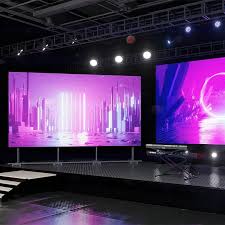
The LED LCD screen manufacturing cycle can be divided into three core phases: substrate preparation, assembly and integration, and final inspection/testing.
1. Substrate Preparation
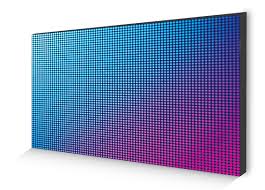
The process begins with preparing the glass substrates that form the LCD panel. High-purity glass with precise dimensions and thickness (commonly 0.5–1.1 mm) is used to ensure structural integrity and optical clarity. The substrates undergo cleaning using ultrasonic and chemical baths to remove particulates and contaminants, which is essential to prevent pixel defects.
2. Thin Film Transistor (TFT) Fabrication
A crucial part of the LCD is the TFT array, which controls individual pixels. TFT fabrication uses photolithography and thin-film deposition techniques to create highly precise transistor arrays on the substrate. The typical TFT layer thickness ranges from 100 to 300 nanometers, employing materials like indium gallium zinc oxide (IGZO) for enhanced electron mobility and reduced power consumption.
3. Liquid Crystal Layer Injection
The liquid crystal material is injected between the two substrates with extreme uniformity. The cell gap — the thickness of the liquid crystal layer — is controlled within ±0.5 micrometers, typically between 3 to 6 micrometers. This parameter directly affects the screen’s contrast ratio, response time, and viewing angle.
4. Backlight Module (BLU) Assembly
LED backlighting provides the illumination source for LCD panels. Modern BLUs use edge-lit or direct-lit architectures featuring white LED arrays or RGB LED clusters. The backlight uniformity must be maintained within ±10% to avoid visible brightness disparities. Additionally, quantum dot enhancement films (QDEF) are increasingly integrated to widen the color gamut beyond 90% NTSC, delivering vibrant and accurate colors.
5. Screen Assembly and Bonding
After combining the LCD and backlight modules, assembly includes sealing, lamination, and adding polarizers and protective films. The bonding adhesives must exhibit high optical clarity (transmittance > 90%) and durability to prevent delamination or moisture ingress.
Quality Control and Testing
Robust quality control systems are mandatory to guarantee compliance with international standards such as ISO 9241-307 (visual ergonomics of electronic visual displays). Key testing procedures include:
- Pixel Defect Inspection: Automated optical inspection systems detect dead, stuck, or sub-pixel defects. Industry standards cap acceptable pixel defect rates at fewer than 0.0001% for high-grade displays.
- Color Accuracy and Uniformity: Using spectroradiometers and colorimeters, screens undergo calibration to achieve Delta E< 2 (CIEDE2000), ensuring color precision for professional applications.
- Luminance and Contrast Testing: Luminance levels are checked to meet brightness specifications (often between 250 to 800 cd/m² depending on application). Contrast ratios above 1000:1 are standard for most LED LCD screens.
- Durability and Environmental Tests: Products are subjected to thermal cycling, humidity exposure, and mechanical stress tests to validate longevity and stability under various environmental conditions.
Industry Standards and Advances
Compliance with RoHS (Restriction of Hazardous Substances) and REACH regulations ensures environmental sustainability and consumer safety. Additionally, emerging trends focus on integrating flexible substrates and mini-LED or micro-LED backlighting to achieve thinner, brighter, and more energy-efficient displays.
Conclusion
The manufacturing of LED LCD screens demands a synergy of precise engineering, advanced fabrication techniques, and stringent quality control protocols. Adhering to international technical standards and applying innovative materials significantly enhances display performance, reliability, and production yield. Continuous advancements, such as quantum dot integration and mini-LED technologies, promise to redefine industry benchmarks and expand application horizons. Manufacturers investing in these processes and quality measures position themselves competitively in a global market that increasingly values high-quality, high-performance display solutions.
Referenced authoritative sources include the International Electrotechnical Commission’s IEC 62341 standards on LED light sources, the Society for Information Display’s (SID) guidance on display testing, and ISO 9241 standards for display ergonomics.













