

Advanced Technologies and Industry Standards in LED Display Manufacturing
The evolution of LED display technology has revolutionized visual communications across various sectors including advertising, sports, transportation, and public information systems. As a professional LED display engineer, understanding the integration of cutting-edge manufacturing processes, adherence to international industry standards, and the technical parameters governing LED displays is essential for delivering superior performance and reliability.
Overview of LED Display Technology
LED (Light Emitting Diode) displays operate by illuminating individually mounted diodes to produce images with high brightness, contrast, and color accuracy. Unlike traditional LCD screens, LED displays offer superior viewing angles, faster response times, and enhanced durability, making them ideal for both indoor and outdoor applications. The core engineering challenge revolves around optimizing pixel pitch, brightness, color gamut, and refresh rates to meet varied environmental and operational demands.
Key Technical Parameters
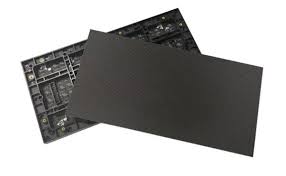
1. Pixel Pitch: Defined as the distance (in millimeters) between the centers of adjacent pixels, pixel pitch directly affects the resolution and viewing distance. For example, a smaller pixel pitch (e.g., 1.2mm to 2.5mm in fine-pitch indoor LED displays) results in higher resolution suitable for close viewing, whereas larger pitches (up to 20mm or more) are typical in large outdoor installations visible from greater distances.
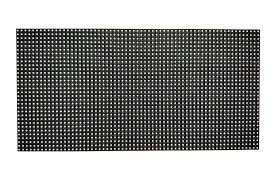
2. Brightness and Contrast Ratio: Outdoor LED displays typically require luminance levels above 5,000 nits to ensure visibility under direct sunlight, while indoor displays operate efficiently at around 800–1,200 nits. The contrast ratio, crucial for image depth and clarity, often exceeds 5,000:1 in modern LED modules thanks to advancements in diode efficiency and optical design.
3. Refresh Rate and Gray Scale: To prevent flickering and facilitate smooth video playback, modern LED panels support refresh rates of 3,000 Hz or higher. High gray scale (generally 14-16 bits per color channel) is integral to accurate color reproduction and gradient smoothing, meeting stringent requirements such as those outlined in the UHD Alliance Display Performance Monitor standards.
4. Durability and IP Ratings: LED displays destined for outdoor environments must sustain harsh conditions such as heavy rain, dust, and extreme temperatures. Compliance with IP65 or higher rating standards ensures protection against ingress of solids and liquids, extending product lifespan and maintaining consistent performance.
Manufacturing Process and Quality Control
A typical LED display manufacturing process includes mask design and printing, DIP (Dual In-line Package) or SMD (Surface Mounted Device) LED placement, PCB assembly, encapsulation, and rigorous electrical and optical testing. Leading manufacturers employ automated soldering and pick-and-place machines to ensure precision and reduce defect rates. Consistent binning of LEDs by luminosity and chromaticity under standards like ANSI C78.377-2017 ensures uniform brightness and color across the display surface.
Advanced fault detection techniques such as AOI (Automated Optical Inspection) and ICT (In-Circuit Testing) are critical for early identification of component failures, thereby minimizing warranty returns and downtime. Additionally, thermal management through optimized heat sinks and ventilation designs is essential to maintain diode performance and prolong service life.
Industry Standards and Certifications
Adhering to international standards such as ISO 9001 for quality management and IEC 62087 for measurement of power consumption enhances manufacturer credibility. Furthermore, compliance with safety and electromagnetic compatibility standards (UL, CE, FCC) is non-negotiable to meet global distribution requirements. Recent emphasis on energy efficiency aligns with certifications like ENERGY STAR, pushing manufacturers to innovate low-power yet ultra-bright LED solutions.
Applications and Case Studies
In smart cities, LED displays are integrated into interactive kiosks and transportation systems, facilitating real-time information dissemination. Major sporting events such as the FIFA World Cup utilize high-resolution LED perimeter boards and scoreboards that must withstand rigorous environmental stress while delivering impeccable visual clarity. These implementations often follow strict technical and quality benchmarks, showcasing the impact of robust engineering and manufacturing excellence.
Future Trends and Innovations
Emerging trends include transparent LED displays that enable see-through capabilities in retail windows, 3D LED displays without the need for glasses, and flexible LED modules tailored for curved surfaces. Integration with AI-driven content management and IoT connectivity enhances interactivity and energy efficiency, marking a new frontier in visual display technology.
Conclusion
The LED display manufacturing process embodies a convergence of advanced materials science, precision engineering, and stringent quality control backed by international standards. Mastery of technical parameters such as pixel pitch, brightness, refresh rates, and comprehensive testing protocols ensures the delivery of reliable, high-performance LED solutions across diverse applications worldwide. Continuous innovation and strict compliance with regulatory frameworks remain key to sustaining industry leadership and meeting increasing market demands.













