

Advanced Engineering Techniques in LED Display Manufacturing for Optimal Performance and Durability
In the rapidly evolving field of digital display technology, LED (Light Emitting Diode) displays have emerged as the predominant solution for applications ranging from consumer electronics to large outdoor advertising boards. As a professional LED display engineer with extensive experience, this article explores essential engineering techniques and industry best practices that contribute to the manufacturing of high-quality LED displays exhibiting superior performance, reliability, and longevity.
Fundamental Components and Technical Parameters
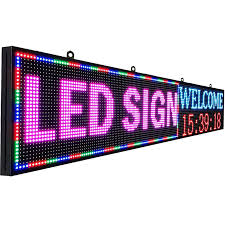
An LED display consists primarily of a matrix of light-emitting diodes mounted on a printed circuit board (PCB), controlled by integrated driver circuits and sophisticated software algorithms. Key technical parameters that define display performance include:
- Pixel Pitch: The distance between the centers of two adjacent pixels, typically measured in millimeters. For indoor applications, fine pixel pitches range from 0.9mm to 3mm, while outdoor displays often feature pitches above 4mm for optimum visibility at longer distances. The pixel pitch determines the resolution and viewing distance, crucial for image clarity.
- Brightness: Measured in nits (cd/m²), brightness levels for indoor LED displays generally range from 800 to 1,500 nits, whereas outdoor units require 5,000 to 8,000 nits or more to maintain visibility under direct sunlight. Precise control over brightness involves optimizing LED chip selection and power management.
- Refresh Rate: A higher refresh rate, typically above 3,840 Hz for professional displays, is vital to prevent flickering and ensure smooth video playback, particularly in live broadcast environments.
- Color Accuracy and Consistency: Achieved through meticulous calibration using standards such as Rec. 709 and DCI-P3, color fidelity promotes vibrant and realistic images. Advanced LED displays employ dynamic gamma correction and temperature compensation to maintain color constancy.
Manufacturing Techniques and Quality Assurance
Quality in LED display manufacturing stems from a confluence of rigorous processes:
1. LED Chip Selection and Binning: Ensuring uniform brightness and chromaticity is fundamental. Semiconductor manufacturers categorize LEDs into bins based on forward voltage, wavelength, and luminosity. Selecting LEDs within narrow bin ranges minimizes color inconsistencies.
2. Module Assembly Precision: Surface-mount technology (SMT) is employed for soldering LEDs onto flexible or rigid PCBs with micron-level placement accuracy. Automated optical inspection (AOI) and machine vision systems verify solder joint integrity and component placement during assembly.
3. Thermal Management: Efficient heat dissipation preserves LED lifespan and performance. Manufacturers integrate aluminum heat sinks, thermally conductive adhesives, and active cooling systems when appropriate. Thermal simulations help design display modules with uniform temperature distribution.
4. Encapsulation and Sealing: For outdoor LED displays, protective coatings and IP65 or higher-rated enclosures guard against moisture, dust, and UV radiation. Conformal coatings and silicone sealing methods prevent corrosion and ingress, critical in harsh environmental conditions.
5. Driver IC and Signal Processing Integration: High-performance driver ICs like the MBI5026 or TI’s TLC5951 provide precise current regulation and grayscale control. Synchronization protocols such as HUB75 interface and advanced FPGA controllers enable high refresh rates and low latency.
Industry Standards and Certification
Adherence to international standards is non-negotiable in LED display manufacturing. Common standards include:
- IEC 62368-1: Safety requirements for audio/video, information, and communication technology equipment.
- RoHS and REACH Compliance: Restriction of hazardous substances to ensure environmental friendliness.
- IP Ratings: Confirming ingress protection levels to differentiate between indoor, outdoor, and ruggedized displays.
- UL and CE Certification: Relevant safety and electromagnetic compatibility marks required for global market acceptance.
Case Study: Large-Scale Outdoor LED Billboard Deployment
A recent project involving a 20m x 10m outdoor LED billboard utilized 10mm pixel pitch modules. The system incorporated:
- High-brightness SMD LEDs (>7,500 nits peak brightness) ensuring visibility at distances exceeding 100 meters.
- Modular design enabling quick replacement and maintenance.
- Integrated temperature sensors connected to a centralized control system adjusting brightness dynamically to ambient conditions, enhancing energy efficiency.
- Weatherproof seamless enclosure meeting IP67 standards, guaranteeing durability through harsh climates including tropical humidity and freezing temperatures.
The operational reliability of this installation exceeded 50,000 hours of continuous service with minimal servicing intervals, underscoring the importance of engineering rigor and material quality.
Future Trends and Innovations
Emerging manufacturing trends foresee:
- Increased use of micro-LED technologies offering unparalleled pixel density and energy efficiency.
- Integration of AI-driven calibration systems enabling self-healing pixels and color optimization in real-time.
- Advanced flexible and transparent LED displays expanding use cases into architecture and wearable technology.
Conclusion
The manufacturing of LED displays demands a comprehensive understanding of semiconductor technology, mechanical assembly, thermal dynamics, and quality assurance protocols. By adhering to stringent industry standards and leveraging state-of-the-art engineering techniques, manufacturers can produce displays that meet the sophisticated demands of modern applications—ensuring durability, outstanding visual performance, and user satisfaction.
References:
- International Electrotechnical Commission. IEC 62368-1: Audio/video, information and communication technology equipment - Safety requirements.
- U.S. Environmental Protection Agency. RoHS and REACH Directives overview.
- Society for Information Display, “Best Practices for LED Display Manufacturing,” SID Symposium Digest, 2022.
- Texas Instruments, TLC5951 Driver IC Datasheet.
- Lumileds, “Thermal Management in High-Power LEDs,” Technical White Paper, 2023.













