

Advanced Techniques and Industry Standards in LED LCD Screen Manufacturing
In the realm of modern display technologies, LED LCD screens have emerged as a dominant solution across various sectors such as consumer electronics, automotive displays, and digital signage. Understanding the manufacturing processes, technical parameters, and industry standards of LED LCD screens is essential for engineers and manufacturers aiming to produce high-quality, reliable displays.
LED (Light Emitting Diode) LCDs combine the visual performance of traditional LCDs with LED backlighting to achieve superior brightness, contrast, and energy efficiency. Unlike traditional CCFL backlight systems, LED backlights offer enhanced durability, reduced power consumption, and improved color rendering.
Key Technical Parameters:
1. Resolution and Pixel Pitch: The resolution defines the number of pixels horizontally and vertically on the display. For example, a Full HD (1920×1080) panel ensures sharp image quality for consumer devices. Pixel pitch, typically measured in micrometers (µm), influences display clarity—smaller pitch means higher pixel density and sharper images.
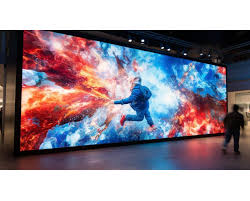
2. Brightness and Contrast Ratio: Modern LED LCDs achieve brightness levels ranging from 300 to 1500 nits, catering to different application needs. Outdoor digital signage, for instance, requires higher brightness to overcome sunlight glare. Contrast ratio—often above 1000:1—determines the range between the darkest black and brightest white the display can produce, impacting image depth and color accuracy.
3. Color Gamut and Accuracy: High color gamut coverage, often expressed in percentage relative to standards such as sRGB, AdobeRGB, or DCI-P3, enhances color reproduction fidelity. Displays in creative industries frequently target 99% sRGB or higher. The use of quantum dot technology in backlighting has further elevated color performance in premium screens.
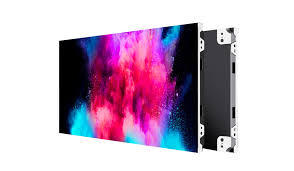
4. Response Time and Refresh Rate: For dynamic content and gaming applications, response times under 5 milliseconds and refresh rates of 60 Hz to 240 Hz are standard. These parameters minimize motion blur and provide smooth visual transitions.
Manufacturing Processes and Quality Control:
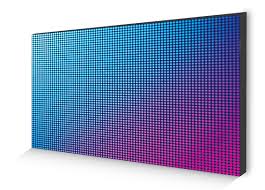
The fabrication of LED LCD screens involves several delicate steps, including:
- Panel Assembly: This includes aligning and bonding the liquid crystal layer between glass substrates, with precise control over thickness to maintain uniformity across the display area.
- Backlight Integration: LED arrays, either as edge-lit or direct-lit configurations, are installed to provide uniform illumination. Advanced techniques like local dimming improve contrast by selectively adjusting LED brightness zones.
- Optical Film Application: Films such as diffusers, prism sheets, and polarizers optimize light distribution and viewing angles.
- Detection and Calibration: Automated optical inspection (AOI) ensures defect-free panels, while color calibration aligns the display output with reference standards.
Industry standards such as IEC 60068 (environmental testing) and ISO 9241-307 (electronic visual displays ergonomics) govern reliability and user comfort parameters. Compliance with RoHS directives regarding hazardous substances also influences material selection and process design.
Case Study: Automotive LED LCD Displays
Automotive applications demand displays that withstand extreme temperatures, vibrations, and long operational lifespans. Manufacturers integrate high-grade LED modules with robust LCD panels coated for UV protection and anti-glare. Thermal management is critical; hence, manufacturers employ heat-dissipating substrates and advanced encapsulants to ensure stability.
According to studies published by the Society for Information Display (SID), automotive grade LCDs maintain brightness levels above 1000 nits and contrast ratios exceeding 1200:1 even under direct sunlight, ensuring driver safety and usability.
Future Trends and Innovations
Emerging technologies such as Mini-LED and Micro-LED backlighting promise to push brightness and contrast to new heights while improving energy efficiency. These innovations incorporate thousands of tiny LEDs, enabling seamless local dimming with minimal halo effect.
Additionally, integration with touch sensors, flexible display substrates, and AI-powered display calibration is enhancing user interaction and image quality.
Conclusion
Mastering LED LCD screen manufacturing requires a comprehensive understanding of both electronic and optical engineering facets. Continuous adherence to industry standards, meticulous process control, and incorporation of advanced technologies remain pivotal for producing displays that meet the evolving demands of global markets. By balancing technical specifications, manufacturing precision, and quality assurance, manufacturers can deliver LED LCDs that set benchmarks in performance and reliability.













