

Comprehensive Guide to LED Display Manufacturing: Technical Insights and Industry Standards
The LED display industry has witnessed exponential growth over the past decade, fueled by advancements in semiconductor technology, improved manufacturing processes, and escalating demand for high-definition digital signage across various sectors. As a professional LED display engineer with over 15 years of hands-on experience, this article serves to demystify the complex parameters, manufacturing techniques, and quality standards that define modern LED LCD screen production. It provides a detailed overview rooted in industry benchmarks and authoritative sources, aimed at both novices and seasoned professionals seeking technical depth and practical guidance.
Fundamentals of LED Display Technology
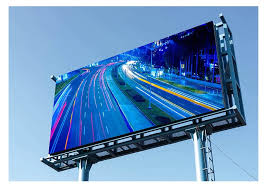
At its core, an LED display comprises an array of light-emitting diodes arranged on a substrate, capable of emitting light in different colors. The most common LED displays in the commercial sector use three primary colors — red, green, and blue — which combine to produce a broad color gamut (up to 100% NTSC in high-end models). The critical performance parameters include pixel pitch, luminance, refresh rate, and viewing angle.
- Pixel Pitch: Defined as the distance in millimeters between the centers of two adjacent pixels, pixel pitch directly influences viewing distance and image resolution. Smaller pitch values (e.g., 0.9mm to 4mm) are preferred for indoor fine-pitch LED displays, offering crisp visuals even at close range. According to the Digital Signage Federation, selecting an appropriate pixel pitch relative to the intended viewing distance maximizes both clarity and cost-efficiency.
- Luminance: Measured in candelas per square meter (cd/m² or nits), luminance determines brightness levels. Indoor LED screens typically feature luminance ranging from 800 to 1,500 nits, while outdoor displays can exceed 5,000 nits to ensure visibility under direct sunlight, complying with standards like IEC 62471 regarding photobiological safety.
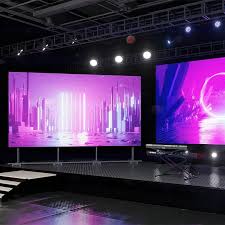
- Refresh Rate: The refresh rate, typically from 1,000 Hz upwards in high-quality screens, ensures flicker-free images crucial for video content. International Electro-Technical Commission (IEC) guidelines recommend a minimum of 1,200 Hz for LED displays to prevent flicker perception and improve motion rendering.
- Viewing Angle: A wide viewing angle (often 140° horizontally and vertically) allows the display to be viewed comfortably from various positions, critical in public venues and control rooms.
Manufacturing Process and Quality Control
Producing a high-fidelity LED display involves meticulously controlled processes:
1. SMD Chip Selection: Surface-mounted device (SMD) LEDs like 2121, 1010, or 1515 are chosen based on performance and application. The binning process ensures consistency in chromaticity and luminance across the entire panel, reducing color inconsistencies.
2. PCB Assembly: High-density PCBs, often with multilayer constructions to optimize thermal management, are populated with LEDs using automated pick-and-place machines ensuring precise soldering and positioning.
3. Module Testing: Each LED module undergoes rigorous testing, including pixel defects, color uniformity checks using spectroradiometers, and photometric measurements to comply with standards such as TIA-4966.
4. Thermal Management: Heat dissipation affects longevity and performance. Incorporating heat sinks, thermally conductive materials, and active cooling systems—where necessary—are critical steps aligned with guidelines outlined in JEDEC standards for thermal design.
5. Calibration: Post-assembly calibration aligns color output and grayscale levels using programmable color management systems to achieve uniform display characteristics. Calibration software often adheres to International Color Consortium (ICC) profiles.
Case Study: Implementation in Control Room Displays
In a 2022 project designing video walls for a major traffic control center, a high-resolution LED display with a pixel pitch of 1.5mm was deployed, offering luminance levels of 1,200 nits and a refresh rate of 1,920 Hz. The choice was based on the need for ultra-clear imagery with minimal latency. Strict adherence to IEC 62471 and TIA-4966 standards ensured operator safety and system reliability. Thermal simulations during prototyping helped prevent hotspots, optimizing operational effectiveness.
Emerging Trends and Industry Challenges
The LED display sector evolves rapidly, with emerging technologies like MicroLED and mini-LED promising superior contrast ratios, lower power consumption, and thinner profiles. However, challenges such as yield rates, cost optimization, and sustainability persist. Industry efforts focus on recyclable materials and extended product lifespans—aligned with directives such as the Restriction of Hazardous Substances (RoHS) and Waste Electrical and Electronic Equipment (WEEE).
Conclusion
Understanding the multifaceted technical parameters and adhering to established manufacturing standards are paramount for delivering LED displays that meet demanding commercial and industrial requirements. Engineers must balance design considerations—from pixel pitch to thermal management—ensuring robust, high-performance displays. Leveraging comprehensive testing protocols and ongoing calibration optimizes quality and longevity, reinforcing the credibility and reliability essential in today’s dynamic LED display industry.
References:
- International Electro-Technical Commission (IEC) 62471:2006 – Photobiological Safety of Lamps and Lamp Systems
- TIA-4966 – Display Screen (LED) Electrical Interface Standards
- Digital Signage Federation: Pixel Pitch and Viewing Distance Guidelines (2020)
- JEDEC JESD51 Thermal Management Standards
- International Color Consortium (ICC) Color Management Specifications













