

Advancements and Applications of Small Pixel Pitch LED Displays in Modern Visual Technology
In recent years, the surge in demand for higher-resolution, vibrant visual displays has driven significant innovations in LED screen technologies. Among these, small pixel pitch LED displays have emerged as a game-changing solution, offering unparalleled image clarity and color accuracy for various professional and commercial applications.
Understanding Small Pixel Pitch LED Displays
The pixel pitch refers to the distance between the centers of two adjacent pixels on an LED display, typically measured in millimeters (mm). A smaller pixel pitch means more pixels per unit area, which directly correlates to higher resolution and finer image detail. Modern small pixel pitch LED screens generally have pixel pitches ranging from 0.9 mm to 2.5 mm, enabling them to deliver ultra-sharp visuals often comparable to high-end LCD and OLED screens.
Technical Parameters and Standards
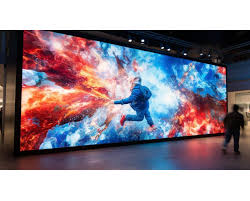
Small pixel pitch LED displays are characterized by several key technical parameters that determine their performance:
- Pixel Pitch: 0.9 mm, 1.2 mm, 1.5 mm, and 2.0 mm are common variations, with lower values indicating finer resolution. For instance, a 0.9 mm pixel pitch can achieve pixel densities upwards of 1,234,000 pixels per square meter.
- Brightness: These displays typically offer brightness levels of 800 to 1500 nits, allowing them to perform well in both indoor environments and semi-outdoor settings.
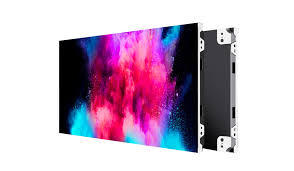
- Refresh Rate: To prevent flicker and ensure smooth video playback, industry-standard refresh rates are above 3840 Hz, with many products achieving 3840–7680 Hz or higher.
- Color Accuracy: High-end small pixel pitch LEDs utilize calibrated LEDs modules and advanced processing ICs to achieve color gamut coverage up to 100% Rec.709 and dynamic contrast ratios exceeding 3000:1.
- Viewing Angle: Wide horizontal and vertical viewing angles of 140°-160° ensure consistent image quality from different perspectives.
These parameters align with international standards like IEEE 1789-2015 focused on flicker-free displays and IEC 62717 for LED modules, ensuring reliability and visual comfort.
Manufacturing Advances
The fabrication of small pixel pitch LED displays demands precise engineering and strict quality controls. Advancements in COB (Chip on Board) technology and mini-LED integration have enabled the creation of ultra-fine pitch displays with reduced halation and improved uniformity. Additionally, proprietary driving ICs such as the MBI5153 and the SCAN-DRIVE technology reduce power consumption and heat generation, thereby prolonging the screen’s operational lifespan.
Applications Across Industries
The utilization of small pixel pitch LED displays spans diverse sectors:
- Corporate and Retail: Ultra-high resolution screens installed in conference rooms and digital signage environments enhance presentation clarity and customer engagement.
- Broadcast and Studio: Indoor LED walls with pixel pitches as small as 0.9 mm create immersive backdrops for live broadcasting with stunning visual accuracy.
- Control Rooms: Command centers benefit from detailed data visualization on small pixel pitch arrays, supporting efficient decision-making processes.
- Healthcare and Education: Medical imaging and interactive learning platforms utilize high-definition LED displays to improve the visibility of critical information.
- Entertainment and Events: Concerts and exhibitions deploy seamless video walls that combine high brightness and resolution for impactful audience experiences.
Energy Efficiency and Sustainability
Many manufacturers are prioritizing the development of energy-efficient small pixel pitch products by integrating advanced LED chips with higher luminous efficacy and optimizing driving circuits. This approach ensures compliance with global energy standards such as ENERGY STAR and RoHS directives while reducing the total cost of ownership for users.
Future Trends and Innovations
As the market evolves, smaller pixel pitches below 0.9 mm are gaining traction, promising 8K and even higher resolution capabilities. The integration of AI-powered calibration and real-time display adjustments is improving color fidelity and maintenance efforts. Additionally, transparent and flexible small pixel pitch LED displays are being developed to cater to architectural applications and curved surface installations.
Conclusion
Small pixel pitch LED displays represent a vital advancement in LED screen technology, combining sophisticated manufacturing techniques with high-performance specifications to deliver breathtaking visuals. Their versatility across multiple industries underscores their significance in the future of digital displays. For organizations seeking to deploy cutting-edge visual solutions, investing in small pixel pitch LED technology offers both operational efficiency and superior image quality that meets rigorous standards and user expectations.













