

Advances and Practical Insights in LED LCD Screen Manufacturing for Modern Display Solutions
In the rapidly evolving field of display technology, LED LCD screens have emerged as a pivotal design, combining the advantages of liquid crystal display (LCD) panels with light-emitting diode (LED) backlighting. As a seasoned LED display engineer, I will share key insights into manufacturing practices, technical parameters, practical applications, prevalent challenges, and the latest trends shaping the LED LCD display industry, establishing an authoritative and credible overview based on industry standards and case studies.
Fundamentals of LED LCD Screen Technology
LED LCD screens utilize an LCD panel to modulate light and LED arrays for backlighting. This configuration enhances brightness, contrast, and energy efficiency compared to traditional cold cathode fluorescent lamp (CCFL) backlit LCDs. Typically, LED backlighting can be edge-lit or direct-lit (full-array), each affecting display uniformity and thickness.
Key technical specifications often include:
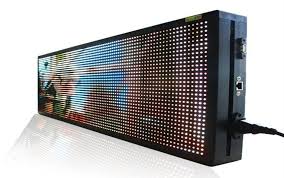
- Resolution: ranging from Full HD (1920x1080) to 8K (7680x4320) depending on application.
- Brightness: typically 250-1000 nits in consumer products; professional displays can reach 1500 nits or higher.
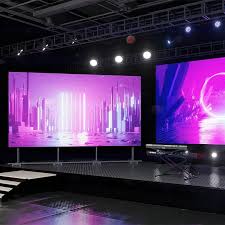
- Contrast Ratio: 1000:1 standard for mainstream models, with local dimming enhancing this figure substantially.
- Color Gamut: supporting up to 100% sRGB or higher with quantum dot enhancement for vivid color rendering.
- Response Time: measured in milliseconds (ms), generally between 5 to 12 ms for LCD panels.
Practical Applications Across Industries
1. Consumer Electronics: Televisions, monitors, and laptops widely employ LED LCD technology due to its combination of affordability, efficient power usage, and high image quality. The advent of HDR (High Dynamic Range) standards like HDR10+ relies heavily on LED backlighting with precise local dimming.
2. Professional and Industrial Displays: Medical imaging, broadcasting monitors, and avionics require displays with accurate color reproduction and high reliability. LED LCDs offer stable luminance and color calibration adherent to standards such as DICOM for medical displays.
3. Digital Signage and Outdoor Displays: With robust LED backlighting and high brightness levels, LED LCD screens can perform well in varied ambient light conditions. Innovations like anti-reflective coatings and reinforced housings extend durability.
4. Automotive Displays: The integration of LED LCDs in instrument clusters and infotainment systems leverages their thin profile, brightness control, and superior color fidelity for enhanced driver experience.
Advantages of LED LCD Technology
- Energy Efficiency: LEDs consume less power compared to CCFL backlights, contributing to extended device battery life and reduced operational cost.
- Thinner Panels: LED edge-lit configurations enable slimmer designs while maintaining sufficient backlight uniformity.
- Improved Brightness and Contrast: LED backlights achieve higher brightness levels and enable dynamic local dimming, significantly improving contrast ratios.
- Longer Lifespan: LEDs generally exhibit longer operational lifespans (up to 100,000 hours) compared to CCFLs.
- Environmental Benefits: LEDs do not contain mercury, aligning with global RoHS (Restriction of Hazardous Substances) directives.
Common Problems and Engineering Solutions
- Backlight Bleeding and Uneven Brightness: Defects in LED placement or diffusion layers can cause light leakage, especially in edge-lit designs. Employing optimized diffusion films and precise LED positioning mitigates this.
- Color Shift at Wide Viewing Angles: TN panels suffer from reduced color accuracy off-axis. Replacing with IPS or VA panels enhances viewing angle consistency.
- Heat Management: High brightness LEDs generate heat affecting longevity and color stability. Use of thermally conductive substrates, efficient heat sinks, and active cooling techniques ensures reliability.
- Flicker and PWM Artifacts: Some LED backlights utilize pulse-width modulation (PWM) for dimming, leading to flicker visible to sensitive users. Increasing PWM frequency beyond human perception threshold (>20 kHz) or using DC dimming minimizes this concern.
- Manufacturing Yield and Quality Control: Precision in LED placement and LCD panel assembly affects yield. Integration of automated optical inspection (AOI), soldering robots, and rigorous environmental control improves consistency.
Latest Trends and Innovations
1. Mini-LED and Micro-LED Backlighting: Miniaturized LEDs enable thousands of local dimming zones, drastically improving contrast ratios above 1,000,000:1 and enhancing HDR content reproduction.
2. Quantum Dot Enhancement Films (QDEF): Integration of quantum dots in LED backlight layers significantly expands color gamut coverage, supporting displays compliant with Rec. 2020 standards.
3. Flexible and Transparent LED LCD Displays: Emerging technologies allow panels to bend or become partially transparent, opening applications in wearable devices and augmented reality.
4. AI-driven Calibration: Artificial intelligence enables real-time display calibration for uniform color and brightness, adapting to environmental conditions.
5. Sustainability Focus: Manufacturers adopting recyclable materials and reducing hazardous substances align with increasing global environmental regulation and consumer demand.
Case Study: Implementing Mini-LED in Medical Imaging Displays
A leading medical device manufacturer upgraded their diagnostic monitors from conventional LED backlighting to mini-LED arrays with over 10,000 zones. This upgrade led to a 50% improvement in contrast ratio and enhanced visibility of subtle anatomical details, verified by compliance with AAPM TG-18 guidelines. The adoption resulted in improved diagnostic reliability and reduced eye strain reported by clinicians.
Conclusion
The fusion of LED backlighting with LCD technology continues to evolve, delivering superior brightness, color accuracy, energy efficiency, and design flexibility. Understanding the interplay of technical parameters, application-specific requirements, and emerging innovations is essential for professionals in display engineering. As the demand for immersive and reliable display ecosystems grows, embracing advancements such as mini-LED backlighting, quantum dot enhancement, and AI-driven calibration will be decisive in maintaining the competitive edge of LED LCD screens in global markets.
For further technical reference, professionals may consult IEC 61966-2-1 for color management, IEC 62676 for medical display performance, and consult SID (Society for Information Display) white papers for the latest research findings.













