

Indoor Digital Display Screens: Advanced Technology and Practical Applications
Indoor digital display screens have become a cornerstone of modern commercial, educational, and entertainment environments. Leveraging cutting-edge LED and LCD technologies, these displays offer vivid visuals, high resolution, and unparalleled flexibility for various indoor settings. This article delves into the technical parameters, manufacturing insights, and practical considerations essential for professionals and decision-makers looking to deploy indoor digital screens effectively.
Technical Specifications and Standards
Indoor digital display screens typically feature LED or LCD panels with pixel pitches ranging from 0.9mm to 4mm, which directly affects the resolution and viewing distance. According to the Society for Information Display (SID), an optimal pixel pitch for indoor signage is around 1.2mm to 2.5mm, balancing clarity and cost-effectiveness for viewers within 1-10 meters. Brightness levels usually vary from 800 to 1500 nits, which is adequate for indoor ambient light conditions without causing glare or eye strain. Contrast ratios for LED displays commonly exceed 5000:1, ensuring vibrant color reproduction and deep blacks, essential for dynamic advertising and digital signage.
Manufacturing Expertise and Material Quality
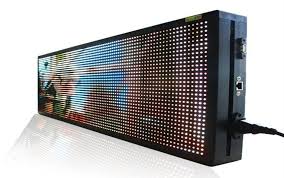
Top-tier indoor digital screens employ high-quality SMD (Surface Mounted Device) LED components such as 2121 or 1010 packages, known for energy efficiency and long lifespan, typically rated for over 100,000 hours of operation. Cabinet structures utilize lightweight aluminum alloys with precision CNC machining for heat dissipation and mechanical stability. Optical lenses and diffuser films are engineered to achieve uniform light distribution, reducing hot spots and enhancing visual comfort.
Industry adherence to standards such as IEC 62368-1 (safety requirements for audio, video, and similar electronic apparatus) ensures reliability and user safety. Additionally, compliance with RoHS (Restriction of Hazardous Substances) directives reflects environmental responsibility during manufacturing and end-of-life management.
Practical Applications and Case Studies
Indoor digital displays find extensive use in retail environments, corporate offices, transportation hubs, museums, and educational institutions. For instance, a leading retail chain integrated high-resolution LED video walls with a pixel pitch of 1.5mm to boost customer engagement by delivering vibrant promotional content. Data collected over a year indicated a 30% increase in dwell time and a 20% uplift in sales conversion, aligning with findings published by the Digital Signage Federation.
In educational settings, indoor LCD panels facilitate interactive learning through touch-enabled displays with 4K resolution, fostering immersive experiences. The University of Technology Sydney implemented such digital boards, noting enhanced student participation and improved knowledge retention rates.
Installation and Maintenance Considerations
Proper installation is critical to ensure optimal screen performance. Indoor screens require precise calibration to balance brightness and color accuracy based on ambient light sensors. Mounting solutions must support weight distribution effectively while enabling access for routine maintenance such as module replacement and cleaning.
Maintenance routines often involve scheduled dust removal, pixel defect inspection, and firmware updates to keep the display operating at peak performance. Many manufacturers provide remote monitoring tools to troubleshoot issues proactively and minimize downtime.
Future Trends in Indoor Digital Displays
Emerging technologies like MicroLED and MiniLED promise even higher resolutions and superior contrast ratios with lower power consumption, opening new horizons for indoor digital signage. Integration of AI-driven content management systems offers personalized and dynamic content delivery, maximizing user engagement. Moreover, transparent LED screens and flexible displays are gaining traction, enabling innovative architectural applications without compromising aesthetics.
In conclusion, indoor digital display screens represent a sophisticated synergy of advanced materials, precise engineering, and practical design tailored for diverse indoor applications. Their continuous evolution, aligned with industry standards and user-centric innovations, ensures they remain indispensable tools for effective communication and visual storytelling.













