

Advancements and Best Practices in LED LCD Screen Manufacturing for Superior Display Performance
The LED LCD screen manufacturing industry has undergone significant advancements over the past decade, driven by innovations in materials science, precision engineering, and display technology. As a professional LED display engineer, I have witnessed the evolution of manufacturing processes that enable the production of high-resolution, energy-efficient, and durable LED LCD screens suitable for a wide range of applications—from consumer electronics to industrial and medical displays.
The core of LED LCD technology integrates a liquid crystal display (LCD) panel with light-emitting diode (LED) backlighting. Unlike traditional CCFL (Cold Cathode Fluorescent Lamp) backlights, LED backlights offer superior brightness, contrast ratio, and color accuracy while substantially reducing power consumption. This has made LED LCD screens the standard in modern display solutions. The manufacturing process involves several critical stages that directly affect screen performance and reliability.
Firstly, substrate preparation is fundamental. High-quality glass substrates with exceptional flatness and low defect rates are selected to ensure uniform liquid crystal alignment. According to the International Electrotechnical Commission (IEC) standards, specifically IEC 61748, substrate cleanliness and flatness tolerance must be tightly controlled within micrometer ranges to prevent display artifacts.
Next is the thin-film transistor (TFT) fabrication phase, where active matrix arrays are created. The use of amorphous silicon (a-Si) or low-temperature polysilicon (LTPS) significantly impacts response times, pixel density, and overall screen responsiveness. LTPS TFTs, although more expensive, provide higher electron mobility, enabling 4K and even 8K resolutions, critical for applications demanding ultra-high definition.
Following TFT fabrication, liquid crystal cell assembly demands precision. The alignment layer, usually polyimide-based, is applied and mechanically rubbed to guide liquid crystal molecules. The uniformity of this process affects the viewing angle and contrast ratio. Optimizing cell gap thickness—often between 3 to 5 micrometers using precise spacer beads—is crucial for optimal electro-optical properties. Deviations here lead to issues such as mura or uneven brightness.
The LED backlighting module assembly is another pivotal step. The industry trend favors using quantum dot-enhanced LEDs, which improve the color gamut surpassing sRGB and Rec. 2020 standards. Studies by the Society for Information Display (SID) highlight that quantum dot LED backlights can achieve up to 90% coverage of the Rec. 2020 color space, offering vivid and accurate colors. Additionally, directional LED arrays combined with light guide plates (LGP) and diffuser films ensure uniform luminance across the display panel. Brightness levels typically range from 300 to 1500 nits, catering to indoor and high ambient light environments.
Moreover, quality assurance using electro-optical performance testing and environmental stress tests is indispensable. Parameters such as luminance uniformity, contrast ratio, color temperature (standardized at 6500K for most displays), response time (as low as 1 ms for gaming displays), and power consumption are rigorously evaluated. Accelerated aging tests under various humidity and temperature profiles validate long-term reliability, as directed by IEC 60068.
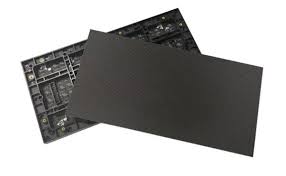
Incorporating modular design principles in manufacturing allows easier repairs and component upgrades, which lowers lifecycle costs and environmental impact. For instance, separable backlight units and display driver ICs facilitate targeted maintenance rather than full-screen replacement.
The future of LED LCD screen manufacturing lies in combining mini-LED and micro-LED technologies within LCD frameworks to further elevate contrast ratios and enable local dimming zones numbering into the thousands. Such improvements reduce halo effects and increase dynamic range, essential for HDR (High Dynamic Range) compliance under standards like HDR10+.
In conclusion, achieving superior LED LCD screen performance requires meticulous control over substrate quality, TFT fabrication, liquid crystal cell assembly, and LED backlighting technology. Adhering to international standards and integrating next-generation lighting solutions drives display innovations that meet global demands for clarity, color fidelity, and energy efficiency. Industry case studies including Samsung’s QLED series and LG’s IPS panels underscore how these engineering principles translate into successful commercial products admired worldwide.













