

Advancements and Best Practices in LED Display Manufacturing: Ensuring High Performance and Reliability
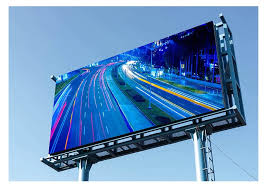
In the dynamic field of visual display technology, LED displays stand as a cornerstone due to their superior brightness, energy efficiency, and versatility. The manufacturing process of LED displays integrates sophisticated engineering, precision component assembly, and rigorous quality control to deliver high-performance screens utilized in diverse applications—from outdoor billboards to indoor commercial signage. This article offers a comprehensive overview of the critical factors, technical parameters, and modern manufacturing methodologies that guarantee the reliability and excellence of LED displays.
Introduction
The global demand for LED displays continues to surge, driven by the expanding advertising industry, digital information dissemination, and entertainment sectors. As the market evolves, so does the complexity of LED screen manufacturing, requiring adherence to international standards and adoption of innovation in assembly and testing processes. Engineers and manufacturers must understand both the fundamental and advanced aspects of LED technology to ensure product longevity and optimal visual performance.
Technical Foundations and Key Parameters
At the heart of an LED display are thousands to millions of tiny light-emitting diodes arranged in a matrix. Each LED operates as a pixel or sub-pixel, contributing to the overall image clarity. The manufacturing process begins with the selection of high-quality LED chips—often Gallium Nitride (GaN) based for their stability and efficiency. These chips are mounted onto printed circuit boards (PCBs) with precision soldering techniques to secure electrical connections and thermal pathways.
Critical technical parameters that influence display quality include:
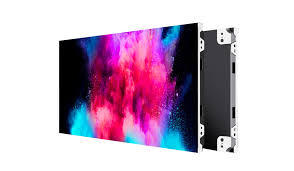
- Pixel Pitch: Defines the gap between individual pixels, typically ranging from 0.9 mm (for indoor, close-view screens) to over 30 mm (for large outdoor displays). Lower pixel pitch values translate to higher resolution and image sharpness.
- Brightness Levels: Measured in nits, typical indoor LED displays operate between 800-1,200 nits, whereas outdoor displays require brightness of 5,000 nits or more to withstand daylight visibility.
- Refresh Rate: A minimum of 3,000 Hz refresh rate is crucial to prevent flickering and provide smooth motion rendering, particularly important in video playback.
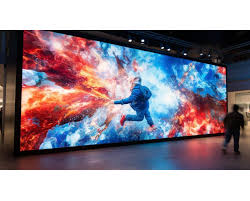
- Viewing Angle: Modern LED displays maintain wide horizontal and vertical viewing angles, frequently above 140°, enabling consistent image quality across different audience positions.
- Color Calibration and Uniformity: Utilizing advanced color management systems, manufacturers ensure consistent color tone and brightness uniformity across the entire panel. This involves electronic calibration and binning of LEDs during assembly stages.
Manufacturing Process and Quality Control
The LED display manufacturing process is multifaceted. It includes:
1. LED Chip Selection and Binning: LEDs are sorted based on luminance and chromaticity to maintain color uniformity.
2. PCB Assembly and Soldering: Automated pick-and-place machines position LEDs with micron-level accuracy on PCBs, followed by reflow soldering to secure components.
3. Module Assembly: PCBs are integrated into modular units with protective layers to resist environmental factors such as moisture and dust.
4. Cabinet Fabrication: Robust aluminum or steel cabinets house the modules, providing structural integrity and thermal dissipation.
5. Testing and Calibration: Each module undergoes rigorous testing—such as High Accelerated Life Testing (HALT), pixel failure inspections, and heat resistance evaluations. Software-based calibration ensures precise color reproduction.
Leading manufacturers incorporate ISO 9001 quality management standards and comply with RoHS environmental directives to ensure sustainable and safe production practices.
Innovations and Trends
The LED display industry is embracing mini- and micro-LED technologies, reducing pixel pitch to sub-millimeter ranges for ultra-high-definition displays. Flexible and transparent LED panels are emerging, enabling new design possibilities in architecture and retail.
Furthermore, intelligent monitoring systems embedded within LED cabinets facilitate real-time diagnostics, enabling predictive maintenance and minimizing downtime—essential for mission-critical applications like stadiums and transportation hubs.
Conclusion
Producing high-quality LED displays demands a meticulous balance of technology, engineering precision, and stringent quality assurance. By understanding and implementing core technical parameters, standardized manufacturing procedures, and embracing cutting-edge innovations, manufacturers can deliver reliable and visually stunning LED screens. As global reliance on digital display technologies grows, continual advancement and adherence to industry benchmarks will remain key to meeting evolving market needs.
Adhering to well-established manufacturing protocols and investing in research and development are essential steps for any entity aiming to maintain competitiveness and ensure user satisfaction in the competitive LED display arena.













