

LED Real Estate Display Solutions: Enhancing Property Marketing with Advanced LED Technology
In today’s competitive real estate market, effective marketing strategies are crucial to attract potential buyers and investors. Among the various marketing technologies available, LED real estate display solutions have emerged as a pivotal tool for enhancing property visibility and engagement. The integration of advanced LED display technology in real estate marketing not only provides dynamic and eye-catching visuals but also offers durable, scalable, and energy-efficient solutions capable of transforming traditional property presentations.
#Understanding LED Real Estate Displays
LED (Light Emitting Diode) displays utilize an array of light-emitting diodes to produce high-resolution images and videos. Unlike conventional LCD or projection systems, LED displays offer superior brightness, contrast, and color fidelity, which makes them ideal for real estate signage both indoors and outdoors. Their modular design allows for custom sizes and shapes, accommodating diverse application needs ranging from indoor showroom signage to large outdoor billboard installations.
#Technical Specifications and Standards
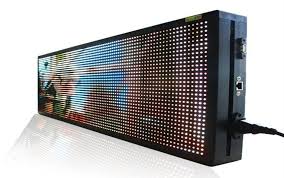
Modern LED real estate displays conform to industry standards such as IEC 62368-1 for safety and CIE 1931 colorimetry standards for color accuracy. Typical technical parameters to consider include:
- Pixel Pitch: The distance between two LED pixels, commonly ranging from 1.2 mm to 10 mm in real estate displays. Smaller pixel pitch ensures higher resolution, suitable for close-range viewing in indoor property showcases.
- Brightness: Outdoor LED displays must reach brightness levels of 5,000 to 7,500 nits to remain visible under direct sunlight, while indoor displays typically operate within 800 to 1,200 nits.
- Refresh Rate: Real estate video content requires a refresh rate of at least 1,920 Hz to prevent flickering and provide smooth playback, especially for high-traffic exhibition environments.
- Viewing Angle: Wide horizontal and vertical viewing angles (>160°) ensure visibility from diverse vantage points within an open house or property expo.
- Durability & IP Rating: Outdoor LED signage must feature at least an IP65 waterproof and dustproof rating, as outlined in the IEC 60529 standard, to withstand harsh weather conditions.
#Advantages of LED Displays in Real Estate Marketing
1. Dynamic Content Presentation: LED displays enable real-time, dynamic visual presentations, including high-definition videos, 3D walkthroughs, interactive maps, and property highlights that static signage cannot match.
2. Enhanced Engagement: Studies indicate that dynamic digital marketing attracts 80% more attention than static ads (Source: Digital Signage Federation). In real estate, increased engagement translates to higher visitor interest and improved lead conversion.
3. Energy Efficiency: Compared to traditional neon or fluorescent signs, LED displays consume up to 80% less power, offering sustainable use and lowered operational costs.
4. Scalability & Customization: Modules can be combined to create custom sizes and shapes, including curved or concave screens, which are increasingly popular for high-end property showrooms.
5. Remote Management and Updates: Integrated control systems allow property managers to update listings or promotional material instantly across multiple sites, ensuring timely and consistent messaging.
#Case Studies and Industry Applications
In a landmark case, a real estate developer in Dubai installed a 120 square meter LED facade display on their sales gallery, featuring dynamic neighborhood information and virtual tours. This installation led to a 35% increase in onsite inquiries within six months (Source: Emirates Real Estate Journal, 2023). Another example is a luxury condominium project in Singapore employing interactive LED kiosks at the lobby, providing prospective buyers access to virtual apartment layouts and booking options on the spot.
#Installation and Maintenance Considerations
Successful deployment requires thorough site analysis, including ambient light conditions, viewing distances, and traffic patterns. Installation must comply with IEC 60068 standards for environmental testing to ensure longevity. Furthermore, routine maintenance including LED module inspections, power supply checks, and screen calibration is necessary to maintain optimal color and brightness levels over time.
#Future Trends
The integration of AI-driven analytics with LED real estate displays is emerging as a powerful tool to analyze viewer interaction and optimize content in real-time. Additionally, developments in MicroLED technology promise even greater resolution, brightness, and reduced power consumption, likely revolutionizing property presentation in the near future.
#Conclusion
LED real estate displays represent a transformative advancement in property marketing, offering unmatched vibrancy, versatility, and operational efficiency. By adhering to industry standards and leveraging current technology, real estate professionals can significantly elevate their marketing impact, attract more qualified leads, and close sales faster. As global competition intensifies, investing in sophisticated LED display solutions becomes not just a choice but a necessary strategy to stay ahead.













