

Advanced Techniques and Standards in LED Display Manufacturing: Ensuring Quality and Performance
LED display technology has rapidly evolved over the past decade, becoming a cornerstone in digital signage, large-format displays, and interactive screens worldwide. As a professional LED display engineer, it is crucial to understand the intricate manufacturing processes, technical parameters, and quality standards that govern the production of high-performance LED panels. This article delves deeply into these aspects, drawing on industry standards, case studies, and technological advancements to provide an authoritative perspective on LED display manufacturing.
Fundamentals of LED Display Manufacturing
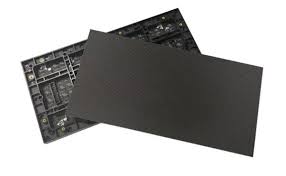
LED displays are composed of thousands to millions of individual light-emitting diodes arranged in a matrix. The core manufacturing process involves LED chip fabrication, packaging, circuit board assembly, and module integration. Each LED pixel typically consists of red, green, and blue subpixels, whose intensity control allows for a full color spectrum.
High precision in chip fabrication ensures uniform brightness, color accuracy, and longevity. Major manufacturers use automated pick-and-place machines for accurate LED placement on PCBs (Printed Circuit Boards), controlling parameters such as LED pitch (distance between pixels) and brightness uniformity.
Technical Parameters Critical to Performance
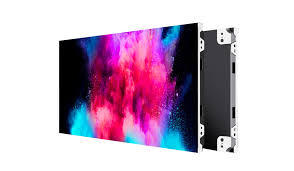
- Pixel Pitch: The pixel pitch, measured in millimeters, determines the resolution and viewing distance of the display. For example, a 1.5mm pixel pitch display is suitable for close-range viewing, offering high resolution, whereas a 10mm pitch is typical for large outdoor billboards viewed from afar.
- Brightness: Outdoor LED displays require high brightness levels, often ranging between 5,000 to 10,000 nits, to remain visible under direct sunlight. Indoor displays typically range from 300 to 1,000 nits for comfortable viewing.
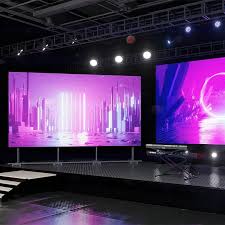
- Refresh Rate: Displays must have refresh rates upwards of 1920Hz or higher to prevent flickering, particularly important in broadcast or close-up camera filming environments.
- Color Accuracy and Calibration: Adherence to color gamut standards such as Rec. 709 and DCI-P3 ensures vibrant and accurate colors. Manufacturers often implement multi-point calibration during production to enhance color consistency across the entire display surface.
Quality Assurance and Industry Standards
Quality control in LED display manufacturing involves rigorous testing phases focused on electrical performance, mechanical stability, and environmental resilience. Industry standards such as the International Electrotechnical Commission (IEC) 62717 specify LED module performance requirements, including luminous intensity, chromaticity, and durability.
Thermal management is also paramount; excessive heat can deteriorate LED lifespan. Manufacturers integrate heat sinks and employ materials with high thermal conductivity to maintain stable operating temperatures.
Case Study: Deploying a High-Resolution Indoor LED Video Wall
An international airport recently deployed a 3mm pixel pitch indoor LED video wall to provide live flight information and advertising. The project required precise calibration for uniform brightness (around 600 nits) and a refresh rate of 3840Hz to eliminate flicker under HD camera capture. The engineering team implemented a robust modular design, enabling easy maintenance and redundancy. Post-installation tests showed color gamut coverage exceeding 95% of Rec. 709, validating color accuracy and consistency.
Future Trends: Mini-LED, Micro-LED, and Beyond
Emerging display technologies like Mini-LED and Micro-LED offer significant improvements in contrast ratio, power efficiency, and form factor flexibility. These advancements are poised to redefine the standards in display quality. Additionally, integration of smart control systems leveraging AI and IoT ensures adaptive brightness and predictive maintenance, further enhancing reliability.
Conclusion
Mastering LED display manufacturing requires a comprehensive understanding of technical parameters, adherence to international standards, and meticulous quality control. The continuous evolution in LED technology demands that engineers stay informed about innovations and industry best practices. By applying these principles, manufacturers can deliver displays that meet the high expectations of today’s global market, balancing visual performance with durability and cost-effectiveness.
References:
- International Electrotechnical Commission (IEC) 62717: LED Modules for General Lighting - Performance Requirements
- Society for Information Display (SID) Technical Reports on LED Displays
- “LED Display Fundamentals and Applications,” Journal of Display Technology, IEEE, 2022
- Case analysis from Airports Council International on digital signage deployment (2023)













