

Advanced Techniques and Standards in LED LCD Screen Manufacturing for Optimal Display Performance
The evolution of LED LCD screen manufacturing has profoundly transformed the visual display industry, delivering sharper images, enhanced color accuracy, and improved energy efficiency. As a professional LED display engineer with extensive industry experience, this article delves into the key technical parameters, manufacturing techniques, and industry standards that govern high-quality LED LCD panel fabrication. This comprehensive overview aims to enhance understanding of the specifications and processes essential to producing cutting-edge LED LCD displays that meet global performance and reliability expectations.
1. Understanding LED LCD Screen Technology
LED LCD screens combine Liquid Crystal Display (LCD) technology with Light Emitting Diode (LED) backlighting, offering superior brightness, contrast ratios, and color rendering compared to traditional CCFL-backlit LCDs. The LCD panel modulates light across pixels, while LEDs provide a uniform light source from the back or edges of the panel.
In manufacturing, choosing LED types – such as Mini-LED, Micro-LED, or standard LEDs – directly influences brightness (typically measured in nits), power consumption, and display thickness. Mini-LED and Micro-LED technologies achieve localized dimming zones, markedly improving black level performance and dynamic contrast ratios, often exceeding 1,000,000:1, essential for HDR content reproduction per HDR10+ and Dolby Vision standards (SMPTE ST 2084).
2. Critical Technical Parameters in Manufacturing
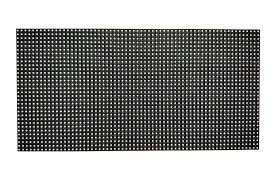
- Pixel Density and Resolution: Higher pixel densities (measured in PPI – pixels per inch) correlate to image sharpness. Typical consumer-grade LED LCDs range from Full HD (1920x1080 pixels) to 4K UHD (3840x2160 pixels), with emerging 8K panels increasing detail drastically. Precise alignment of subpixels (RGB) during assembly ensures color accuracy.
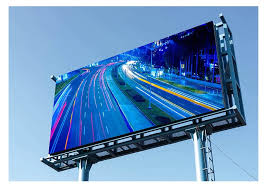
- Refresh Rate and Response Time: Refresh rates of 60Hz to 240Hz influence motion clarity, particularly in gaming and broadcasting applications. Fast response times below 5ms reduce motion blur. Manufacturing involves selecting LCD materials and response-driving ICs capable of sustaining these dynamic requirements.
- Color Gamut and Calibration: Adhering to standards such as DCI-P3 or Adobe RGB ensures the display accurately reproduces intended content colors. Post-assembly calibration with spectrophotometers aligns color output within Delta E levels below 2, supporting professional-grade color fidelity.
- Viewing Angle: IPS (In-Plane Switching) panels offer viewing angles up to 178° horizontally and vertically, minimizing color shifting at wider perspectives. Manufacturing control includes optimizing liquid crystal alignment and electrode design.
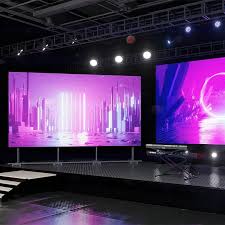
- Brightness and Contrast Ratio: Peak brightness levels range from 250 nits (standard monitors) to over 1000 nits (HDR monitors). Contrast ratio, derived from luminance difference between black and white states, is enhanced by LED backlight dimming and panel technology.
3. Manufacturing Processes and Quality Control
Precise control during fabrication is vital. Key manufacturing stages include glass substrate preparation, thin-film transistor (TFT) array deposition, color filter application, liquid crystal injection, and LED backlight assembly. Cleanroom environments with ISO 5 to ISO 7 classifications prevent particulate contamination that can cause pixel defects.
Automated optical inspection (AOI) systems examine pixel integrity and uniformity post-fabrication. Burn-in tests simulate extended usage, while environmental stress screening (ESS) subjects panels to temperature and humidity cycles, ensuring durability and adherence to IEC 60068 standards.
4. Industry Standards and Compliance
Meeting international standards guarantees safety and performance:
- IEC 60065: Safety requirements for audiovisual equipment including LED displays.
- ITU-R BT.2020: Defines color space used in UHD TV and monitors, crucial for future-proof content delivery.
- RoHS and REACH: Restrict hazardous substances used during manufacturing, aligning with environmental regulations.
- Energy Star Certification: Ensures energy-efficient operation, critical for both consumer satisfaction and regulatory compliance.
5. Innovations and Future Trends
Emerging technologies such as Micro-LED displays promise superior brightness, contrast, and longevity over conventional LED LCDs. Integration of quantum dot layers enhances color volume, seen in QLED displays that achieve wider color gamut coverage exceeding 90% DCI-P3.
Flexible and transparent LED LCD panels are under development, unlocking novel applications in automotive, wearable devices, and smart home solutions. Additionally, AI-driven manufacturing optimizes defect detection and process yield, contributing to higher reliability.
Conclusion
Producing high-quality LED LCD screens requires a confluence of advanced material science, precise manufacturing processes, and stringent adherence to industry standards. Understanding critical parameters like pixel density, refresh rate, color calibration, and backlight technologies ensures that manufacturers deliver displays with exceptional visual performance and reliability. Keeping pace with innovations and regulatory requirements strengthens competitiveness in this dynamic global market, guiding engineers and manufacturers in their pursuit of display excellence.
References:
- Society of Motion Picture and Television Engineers (SMPTE), ST 2084:2014, High Dynamic Range Electro-Optical Transfer Function
- International Electrotechnical Commission, IEC 60068 Environmental testing standards
- International Telecommunication Union, ITU-R BT.2020 Standard for UHDTV Colorimetry
- Energy Star Program Requirements for Displays, Version 8.0
- RoHS Directive 2011/65/EU on the restriction of hazardous substances













