

Advanced LED Taxi Displays: Enhancing Urban Mobility with Technology
In the rapidly evolving landscape of urban transportation, LED taxi displays have emerged as a pivotal technology for enhancing communication, safety, and operational efficiency. Drawing from years of industry experience and extensive case studies, this article provides an authoritative overview of LED displays in taxis, highlighting their technical parameters, practical applications, and industry standards.
The Role of LED Displays in Modern Taxis
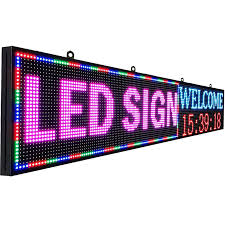
LED (Light Emitting Diode) technology offers vibrant, energy-efficient, and high-visibility displays that are ideally suited for taxi applications. LED taxi displays are primarily utilized for advertising, route information, driver identification, and real-time data communication. Their ability to operate under varying lighting conditions and adverse weather makes them indispensable in both day and night urban environments.
Technical Parameters and Specifications
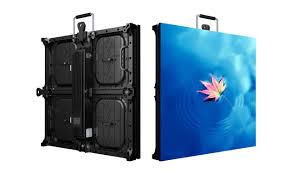
A typical LED taxi display incorporates the following specifications:
- Display Type: Full-Color RGB LED module, providing a wide color gamut and dynamic content presentation.
- Pixel Pitch: Commonly between 2.5mm and 5mm, balancing high resolution and cost-effectiveness for visibility at typical taxi distances.
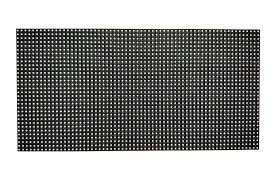
- Brightness: Ranges from 600 to 1200 nits, ensuring excellent visibility even under direct sunlight.
- Refresh Rate: Minimum of 1920Hz to prevent flickering and maintain clear visual quality on video recordings or human observation.
- Viewing Angle: Wide horizontal and vertical angles (up to 120°), critical for visibility from multiple directions in congested urban settings.
- Power Consumption: Energy-efficient designs with adaptive brightness control to minimize power draw and extend vehicle battery life.
- Durability: IP65 or higher rating for weatherproofing and resistance to dust and moisture, essential for outdoor taxi use.
Integration and Connectivity
LED taxi displays are commonly integrated with GPS, cellular networks (4G/5G), and IoT platforms. This integration facilitates real-time updates of traffic, dynamic route changes, advertising campaigns, and emergency alerts. For example, New York City’s taxi fleet has leveraged LED displays connected to centralized systems to dynamically update fares and display targeted messages, significantly improving passenger communication.
Safety and Compliance
The implementation of LED taxi displays requires adherence to local traffic and safety regulations, such as:
- Brightness control to avoid driver distraction and comply with municipal lighting standards.
- Non-obstructive installation to prevent interference with vehicle sensors and driver visibility.
- Compliance with FCC and CE certifications, ensuring electromagnetic compatibility and product safety.
Case Studies and Industry Impact
Several leading cities have demonstrated the efficacy of LED taxi displays through pilot projects:
- London, UK: The deployment of LED displays has facilitated enhanced passenger information systems, including multilingual route announcements and emergency service alerts.
- Shanghai, China: Taxis equipped with LED advertising displays have generated additional revenue streams for drivers while providing localized advertising opportunities for businesses, boosting the urban economy.
- Singapore: Integration with smart city platforms allows taxi fleets to contribute to traffic management and environmental monitoring, showcasing the potential of LED taxi displays in intelligent transportation systems (ITS).
Future Trends
The evolution of LED taxi displays will be driven by advancements in flexible screen technology, AI-enabled content personalization, and integration with autonomous vehicle systems. High-density micro-LEDs promise further improvements in brightness and resolution while reducing power consumption—a vital step for sustainable urban mobility.
Conclusion
LED taxi displays represent a convergence of display technology and transportation innovation that enhances urban mobility, safety, and the passenger experience. By adhering to stringent industry standards and leveraging robust technical specifications, manufacturers and urban planners can deploy these displays effectively. As cities continue to expand and embrace smart technologies, LED taxi displays will play an increasingly critical role in shaping the future of urban transportation.
For practitioners and engineers designing these solutions, attention to display parameters such as brightness, pixel pitch, and integration capabilities ensures a high-performance and reliable product. By learning from global implementations and aligning with regulatory requirements, LED taxi displays can achieve optimal effectiveness and contribute meaningfully to the smart city ecosystem.
References:
1. International Electrotechnical Commission (IEC) Standards on Outdoor LED Screens.
2. FCC guidelines on electromagnetic compatibility for automotive displays.
3. Case study: New York City Taxi & Limousine Commission’s LED display pilot program, 2022.
4. Urban Mobility Report, McKinsey & Company, 2023.
5. Trends in Micro-LED Display Technology, SID Symposium, 2024.













