

Advanced LED Display Manufacturing: Technical Insights and Industry Best Practices
In the rapidly evolving landscape of digital signage and display technology, LED displays have become the cornerstone for high-quality visual communication across industries. From outdoor billboards to indoor advertising panels and control rooms, the manufacturing of LED displays demands rigorous technical expertise and adherence to industry standards. This article delves into advanced aspects of the LED display manufacturing process, highlighting key technical parameters, quality control protocols, and the application of best practices to ensure superior performance and longevity.
Introduction
LED (Light Emitting Diode) displays offer unparalleled brightness, energy efficiency, and long life, making them advantageous over traditional display technologies like LCD panels and projectors. The growing demand for high-resolution, large-format displays powered by LEDs has pushed manufacturers to optimize production processes and integrate cutting-edge technologies. Understanding the principles and critical parameters of LED display manufacturing is essential for manufacturers, engineers, and end-users to achieve optimal outcomes.
Technical Parameters and Manufacturing Considerations
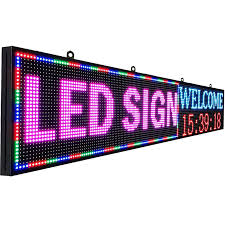
1. Pixel Pitch and Resolution
Pixel pitch—the distance between the centers of two adjacent pixels—is a fundamental metric defining display resolution and viewing distance. Typical LED display pixel pitches range from 0.8mm (for fine-pitch indoor displays) up to 20mm or more (for large outdoor signage). According to the Society for Information Display (SID) standards, smaller pixel pitches afford higher resolution, enabling close-range viewing, whereas larger pitches are optimized for outdoor visibility and cost efficiency.
2. LED Chip Selection and Bin Sorting
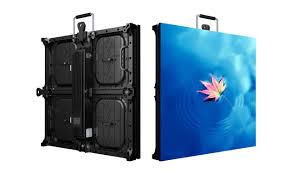
The quality of the LED chips significantly influences brightness, color uniformity, and lifespan. Manufacturers employ LED binning processes to classify devices based on wavelength, luminous intensity, and forward voltage. This sorting ensures homogeneous color reproduction and consistent brightness across the display panel, reducing hotspot effects and color drifting over time.
3. PCB Design and Thermal Management
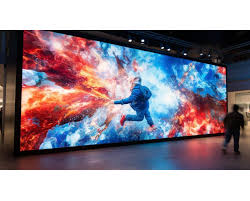
Printed Circuit Boards (PCBs) form the structural foundation where LEDs and driver ICs are mounted. High-quality FR4 boards with copper-based heat dissipation layers are standard to manage thermal loads. Effective heat dissipation is crucial; excessive temperatures degrade LED performance, color consistency, and lifespan. Incorporating thermal pads, heat sinks, and active or passive cooling solutions are common industry practices.
4. Driving ICs and Refresh Rate
The driver integrated circuits regulate current flow to the LED pixels, affecting brightness and flicker rate. Modern LED driver ICs support refresh rates exceeding 1920Hz, critical for eliminating flicker artifacts, especially in video recording environments. Industry standards suggest refresh rates above 2000Hz for broadcast-grade displays, ensuring clear visual experience and compatibility with professional cameras.
5. Module and Cabinet Assembly
LED modules are the basic building blocks of a complete screen. Precision in module assembly, including solder integrity, mechanical alignment, and waterproofing, is vital. Cabinets aggregate modules and provide structural rigidity, protection, and ease of maintenance. IP ratings (e.g., IP65) are mandatory for weatherproof outdoor installations, with sealed connectors and conformal coatings to resist dust and moisture ingress.
6. Calibration and Color Uniformity
Post-assembly calibration calibrates brightness and color to achieve uniform image quality. High-end calibration systems measure chromaticity coordinates (CIE 1931) and adjust drive currents on a per-pixel or per-module basis. This practice mitigates variances caused by manufacturing tolerances and environmental aging, enhancing viewer experience and reducing maintenance cycles.
Quality Control and Industry Standards
Adhering to international standards such as IEC 62368-1 for safety and IEC 61000 for electromagnetic compatibility ensures product reliability and regulatory compliance. Additionally, the UL certification confirms electrical safety, which is mandatory for many markets. Rigorous quality control tests include:
- Aging Tests: LED displays undergo continuous operation for 72+ hours to reveal early failures.
- Environmental Testing: Exposure to humidity, temperature cycling, and UV radiation simulates field conditions.
- Photometric Testing: Luminance, color gamut, and uniformity measurements ensure adherence to specification.
Case Study: Implementing Fine-Pitch LED Displays in Control Rooms
A notable case involves the deployment of 1.2mm pixel pitch LED video walls in a metropolitan traffic control center. The selection criteria prioritized ultra-high resolution for detailed data visualization at close viewing distances, 2500 nits brightness for ambient visibility, and 3840Hz refresh rate to prevent flicker during CCTV capture. The manufacturer applied bin-sorted LED chips, advanced thermal management, and precision calibration, resulting in a reliable display system that significantly improved operator efficiency and situational awareness.
Conclusion
Manufacturing LED displays is a complex process that balances advanced material science, electronic engineering, and rigorous quality control to deliver visual solutions that meet diverse application needs. By focusing on critical technical parameters such as pixel pitch, thermal management, driving IC performance, and calibration techniques, manufacturers can ensure displays offer exceptional brightness, color accuracy, and longevity.
As the industry progresses towards more miniaturized and energy-efficient designs, continuous innovation in manufacturing processes and materials will further elevate LED display capabilities. Staying informed on industry standards and engaging in continuous quality improvement remains paramount for manufacturers aiming to deliver world-class displays that meet the evolving demands of global markets.













