

Advances and Best Practices in LED LCD Screen Manufacturing: A Comprehensive Overview
The rapidly evolving LED LCD display industry demands manufacturers to uphold high standards of precision, efficiency, and innovation. With applications spanning from consumer electronics to industrial signage and medical imaging, understanding the intricacies of LED LCD manufacturing processes is crucial for delivering products that meet rigorous performance and reliability criteria.
Introduction
LED LCD (Light Emitting Diode Liquid Crystal Display) screens have become a cornerstone in modern display technology due to their superior brightness, color accuracy, and energy efficiency. The manufacturing process encompasses multiple complex stages including material selection, panel assembly, backlighting integration, and quality control. This article delves into the core aspects of LED LCD screen manufacturing, emphasizing the technical parameters, industry standards, and practical approaches that ensure optimal performance and durability.
Main Body
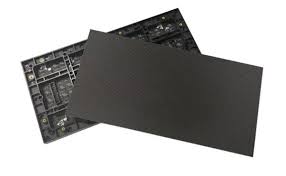
1. Materials and Components
A typical LED LCD panel consists of several key layers: the liquid crystal layer, polarizers, color filters, glass substrates, and the LED backlight module. High-purity glass substrates (often Corning Eagle XG or similar) are favored for their optical clarity and durability. The liquid crystal material must exhibit fast response times and stable alignment characteristics; commonly used nematic liquid crystals possess an average response time below 8 ms and high transmittance exceeding 90%.
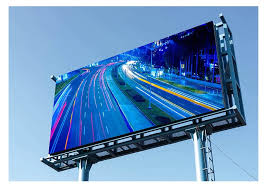
LED backlighting represents a critical element, influencing brightness, uniformity, and lifetime. Current industry practice involves the use of white LEDs with a correlated color temperature (CCT) typically between 6,000K and 7,500K to achieve natural color rendering. Luminous efficacy of backlight modules has improved to over 150 lm/W thanks to advances in LED chip technology and phosphor formulations.
2. Panel Assembly and Integration
Precision in aligning the liquid crystal cells and ensuring uniform cell gap (around 4-6 microns) is essential for consistent optical performance. Automated optical inspection (AOI) systems equipped with high-resolution cameras and infrared sensors verify the uniformity of liquid crystal orientation and detect defects. The cell gap uniformity directly impacts contrast ratio and response time, with target contrast ratios for high-end commercial displays often exceeding 1000:1.
The integration of the LED backlight entails careful thermal management design; copper heat sinks and thermally conductive adhesives maintain operational temperatures below 50°C, extending LED lifespan beyond 50,000 hours (according to LM-80 standards). Additionally, edge-lit and direct-lit backlight configurations are chosen based on size and thickness requirements, with direct-lit solutions providing superior uniformity for large-format displays.
3. Quality Control and Industry Standards
Quality assurance aligns with international standards such as ISO 9241 (ergonomics of visual display terminals) and IEC 62676 (video surveillance systems). Testing protocols evaluate parameters including luminance uniformity (target variation<10%), color gamut coverage (meeting or exceeding sRGB 100%), and durability under thermal cycling conditions (-20°C to +70°C). Electrostatic discharge (ESD) and electromagnetic compatibility (EMC) tests ensure device protection against environmental interference.
Manufacturers increasingly implement lean manufacturing and Six Sigma methodologies to minimize defects, improve yield rates (up to 98%), and reduce production costs. In-line process controls and real-time data analytics facilitate rapid troubleshooting and continuous improvement.
Conclusion
Manufacturing high-quality LED LCD screens requires an integrated approach combining advanced materials, precise assembly techniques, and stringent quality control processes. The continuous advancement in LED chip efficiency, liquid crystal technology, and backlight design underpins the development of brighter, more energy-efficient displays with longer lifespans. For manufacturers, adhering to international standards and embracing innovation ensure the delivery of reliable, high-performance LED LCD panels that cater to the diverse needs of global markets.
With the ongoing trends towards higher resolution, flexible display formats, and enhanced color fidelity, the LED LCD production ecosystem is poised for significant growth and technological breakthroughs, underscoring the industry's commitment to excellence and customer satisfaction.













