

Advanced LED Display Technologies and Manufacturing Processes: A Comprehensive Guide for Industry Professionals
In the rapidly evolving field of display technology, LED (Light Emitting Diode) displays have emerged as a dominant choice due to their brightness, energy efficiency, durability, and versatility. For professionals engaged in LED display engineering and manufacturing, an in-depth understanding of both the technological foundations and practical manufacturing processes is essential to drive innovation and maintain competitive advantage.
1. Introduction to LED Display Technologies
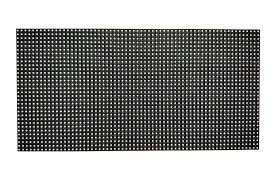
LED displays utilize arrays of light-emitting diodes to present images, videos, and data, making them ideal for diverse applications such as outdoor billboards, indoor digital signage, stadium screens, and broadcast studios. These displays are broadly categorized into:
- Direct View LED (DV-LED) Displays: Individual LEDs form pixels visible to the naked eye.
- Mini-LED and Micro-LED Backlit LCDs: LEDs serve as backlighting elements, improving contrast and color accuracy in LCD panels.
2. Key Technical Parameters of LED Displays
A comprehensive understanding of critical parameters is crucial for system design and procurement:
- Pixel Pitch: The physical distance between LED clusters or pixels, typically measured in millimeters (mm). Smaller pixel pitches (e.g., 0.9mm to 4mm) yield higher resolution and finer image quality.
- Brightness: Measured in nits (cd/m²), it defines the display’s luminance. High-brightness outdoor displays often exceed 5,000 nits to remain visible under intense sunlight, adhering to IEC 62717 standards for outdoor LED luminaires.
- Refresh Rate: Display refresh frequencies generally exceed 1,920 Hz for flicker-free viewing on camera feeds, complying with broadcasting standards like SMPTE (Society of Motion Picture and Television Engineers) guidelines.
- Color Gamut and Accuracy: Modern LED displays can achieve upwards of 95% coverage of the DCI-P3 or Rec. 2020 color spaces, critical for professional broadcasting and cinema applications.
- Viewing Angle: Typically ranges between 120° to 160°, influencing audience visibility in public spaces.
3. Manufacturing Processes and Quality Control
The production of LED displays integrates precision engineering, surface mount technology (SMT), and advanced testing methodologies:
- LED Selection and Binning: LEDs undergo binning based on luminous intensity and chromaticity coordinates to ensure uniformity across the panel, a practice adhering to IEST-RP-CC011.2 standards.
- PCB Design and Assembly: The printed circuit boards (PCBs) are engineered to accommodate dense LED arrays with controlled impedance lines to minimize signal degradation.
- Module Fabrication: Modules encapsulate LED clusters with protective coatings to safeguard against moisture and dust, following IP65 to IP67 ingress protection ratings for outdoor installations.
- Thermal Management: Efficient heat dissipation is achieved through aluminum heat sinks, thermal interface materials, and active cooling in large-scale displays to maintain optimal junction temperatures (~85°C max).
- Calibration and Testing: Post-assembly calibration using automated luminance and colorimeters ensures uniform output. Lifetime testing simulates extended operation, targeting mean-time-between-failure (MTBF) exceeding 100,000 hours.
4. Technological Innovations and Trends
Emerging trends reshaping the LED display landscape include:
- Micro-LED Integration: Offering unprecedented pixel density and energy efficiency, Micro-LED displays represent the next generation with pixel pitches<0.5mm.
- Flexible and Transparent LED Panels: Utilizing flexible PCBs and OLED hybrids, these displays enable novel form factors in architecture and retail.
- AI-Driven Calibration: Machine learning algorithms optimize brightness and color uniformity in real-time adapting to ambient conditions.
- High Dynamic Range (HDR) and 10-bit Color Depth: Enhancing visual experience with richer contrast ratios and deeper color gradations.
5. Case Studies and Industry Applications
- Outdoor Digital Signage: Deployments like Times Square and Shibuya Crossing utilize high-brightness modules with pixel pitches around 10mm to balance visual impact and cost-effectiveness.
- Broadcast Studios: Large-format DV-LED walls with sub-2mm pixel pitch and refresh rates >3840 Hz produce lifelike backgrounds meeting SMPTE RP 218 requirements.
- Sports Arenas: LED perimeter boards employ seamless modules with high refresh rates to avoid flicker during televised events.
6. Industry Standards and Compliance
Meeting international standards guarantees reliability and safety:
- Safety: UL 8750 certification for LED equipment ensures compliance with electrical safety regulations.
- Environmental: RoHS and REACH directives restrict hazardous substances during manufacturing.
- Quality Management: ISO 9001 frameworks enforce consistent quality control across production stages.
7. Challenges and Solutions in LED Display Manufacturing
- Color Uniformity: Variations in LED batches and aging cause color shifts; solutions include advanced binning and real-time color correction systems.
- Thermal Stress: High power densities necessitate robust thermal solutions to prevent premature failures.
- Cost Management: Balancing high-resolution demands with manufacturing costs calls for scalable modular designs.
8. Conclusion
For professionals in the LED display manufacturing industry, integrating deep technological understanding with proven manufacturing best practices is imperative. Awareness of emerging trends like Micro-LEDs, AI-enabled calibration, and flexible displays will be key to unleashing new market opportunities. Adhering to international standards and investing in robust quality control ensures high-performance products with longevity and reliability.
The LED display industry remains a dynamic, highly innovative field where expert knowledge converges with engineering precision to create visually stunning and reliable displays that serve a spectrum of global applications.
References:
- IEC 62717: LED Modules for General Lighting - Performance Requirements.
- SMPTE RP 218: Recommended Practice for Video Displays.
- IEST-RP-CC011.2: Photometric Testing of LED Lighting Products.
- UL 8750: Standard for Light Emitting Diode (LED) Equipment for Use in Lighting Products.
- ISO 9001: Quality Management Systems – Requirements.
- "Advances in MicroLED Display Technology," Journal of Display Technology, IEEE, 2023.
- "Thermal Management in High-Power LED Displays," LED Professional Review, 2022.













