

Advancements and Practical Applications of LED Display Technology in Modern Industries
LED display technology has undergone significant advancements over the past decade, becoming an indispensable component in various industrial, commercial, and consumer applications. As a professional LED display engineer, understanding the intricate details of LED manufacturing, the benefits, challenges, and the evolving trends is critical to delivering top-tier display solutions that align with international standards such as IEC 62368-1 for safety and IEC 62717 for performance of LED modules.
Practical Applications
The utilization of LED displays spans a broad spectrum of industries. In retail environments, LED walls enhance visual merchandising by delivering high-resolution dynamic content that attracts and engages customers. Outdoor advertising benefits immensely from high-brightness, weather-resistant LED displays capable of withstanding harsh environments while maintaining vibrant visuals.
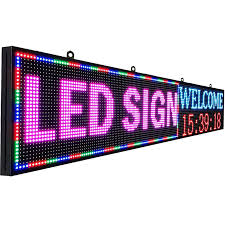
In the transportation sector, LED screens are implemented in airports, train stations, and bus terminals to provide real-time information and improve passenger experiences. The entertainment industry relies heavily on LED displays for concerts, sporting events, and stage backdrops, where seamless video playback and color accuracy are paramount. Furthermore, in corporate settings, LED video walls facilitate impactful presentations and immersive meeting environments.
Healthcare applications are also emerging, with LED displays being used in diagnostic imaging and surgical rooms due to their superior brightness and contrast ratios, which aid in precision. The control room environment benefits from large-scale LED walls that offer high reliability and excellent visibility under varied lighting conditions.
Advantages
The advantages of LED display technology are multidimensional. Primarily, LED displays offer exceptional brightness levels that surpass traditional LCD displays, enabling clear visibility even under direct sunlight or brightly lit indoor environments. Energy efficiency is another critical benefit; LEDs consume significantly less power compared to incandescent or fluorescent alternatives, aligning with global sustainability initiatives.
The modularity of LED panels allows for scalable display sizes and shapes, offering designers flexibility to customize installations according to specific spatial requirements. With advances in pixel pitch technology, fine-pitch LED displays enable ultra-high resolution, rivaling that of the best LCD and OLED screens, while maintaining the robust durability LED technology is known for.
Additionally, LEDs have a longer operational lifespan, typically exceeding 100,000 hours under continuous operation, which reduces maintenance costs and downtime. This durability is furthered by the development of chip-on-board (COB) LEDs, which improve heat dissipation and reduce pixel failure rates.
Common Problems
Despite these benefits, LED displays are not without challenges. Heat management remains a crucial concern as excessive thermal buildup can degrade LED lifespan and color consistency. Effective thermal design using heat sinks and active cooling systems is necessary, especially in high-brightness or large-format installations.
Another issue is color calibration. Over time, LEDs may exhibit color shift due to phosphor degradation or differential wear of individual diodes. Periodic recalibration using colorimeters is essential to maintain uniformity across the display. Furthermore, pixel failure—manifesting as dead pixels or stuck pixels—can affect visual quality and requires maintenance or panel replacement.
Environmental sensitivities also include susceptibility to moisture ingress and physical impact. While IP-rated enclosures provide protection, ensuring airtight seals and robust mechanical design is imperative for outdoor installations. Signal integrity issues can arise from poor cable management or interference, impacting refresh rates and causing flicker or artifacts.
Latest Trends
Leading the innovation frontier, MicroLED technology is revolutionizing the industry by combining the superb brightness and energy efficiency of traditional LEDs with ultra-fine pixel pitches down to under 10 microns. This advancement enables seamless, bezel-free displays with enhanced color gamut and contrast ratios, making them ideal for premium consumer electronics and AR/VR applications.
Smart and interactive LED displays integrated with AI-driven content management systems are becoming prevalent, allowing dynamic customization based on audience engagement metrics and environmental conditions. This is especially prominent in smart cities where digital signage interacts with IoT devices to deliver contextual content.
Another emerging trend is the incorporation of flexible and transparent LED panels, enabling futuristic applications such as curved or see-through displays on vehicle windshields, glass facades, and wearable tech. These expand design possibilities beyond conventional flat screens.
Finally, sustainability considerations are influencing materials selection, with a push towards lead-free LED chips, recyclable substrates, and energy-saving driver ICs to reduce environmental impact.
Conclusion
LED display technology continues to evolve rapidly, supported by robust research and engineering expertise. Its advantages in brightness, longevity, and energy efficiency make it a preferred choice across diverse sectors. Addressing common challenges through advanced thermal design, precise calibration, and rigorous quality control ensures optimal performance and reliability. Keeping abreast of cutting-edge trends such as MicroLED, AI-powered interactivity, and flexible displays positions industry professionals at the forefront of this dynamic field, fostering innovation that shapes the future of visual communication.













