

The Comprehensive Guide to LED LCD Screen Manufacturing: Standards, Technologies, and Best Practices
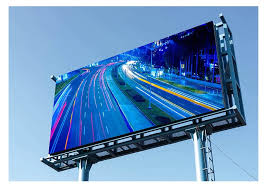
In the rapidly evolving world of display technology, LED LCD screens stand out as a dominant solution across diverse applications—from consumer electronics to large-scale digital signage. As a professional LED display engineer with years of hands-on experience, I aim to provide a detailed exploration of LED LCD screen manufacturing, blending technical insights, industry standards, and practical guidance. This comprehensive guide will serve as a reliable resource for international readers seeking an authoritative understanding of the field.
Introduction
LED LCD (Light Emitting Diode Liquid Crystal Display) screens combine the benefits of LED backlighting with the versatile liquid crystal display technology. The essential advantage of using LEDs as a backlight is improved brightness, energy efficiency, and lifespan compared to traditional CCFL (Cold Cathode Fluorescent Lamp) illumination. This integration yields displays that meet the growing demand for high-quality visuals with lower power consumption, thinner profiles, and higher reliability typical in contemporary electronics and commercial applications.
The manufacturing process of LED LCD screens is multifaceted and requires strict adherence to technical parameters and industry standards such as IEC 62676 for display measurement and ISO 9241 regarding ergonomics and human factors for visual displays. Adhering to these standards ensures the production of displays that meet global market demands for quality and safety.
Main Body
1. Key Components and Technical Parameters
LED LCD screens consist of several fundamental components:
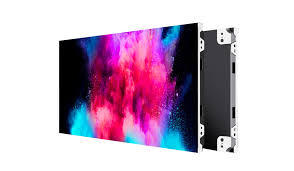
- Liquid Crystal Panel: This core element modulates light to form the image. The panel's resolution, response time, and viewing angles are critical performance indicators. Common resolutions range from Full HD (1920x1080) to 4K UHD (3840x2160), while high-end applications may demand customized resolutions for specific use cases.
- LED Backlight Unit (BLU): The BLU provides the necessary illumination behind the LCD panel. Parameters such as luminance (measured in cd/m²), color temperature (usually between 5000K and 6500K for natural white), and uniformity (≥90% is ideal) strongly influence image quality.
- Diffuser and Light Guide Plate (LGP): These elements ensure even distribution of LED light across the entire panel, avoiding hotspots and delivering consistent brightness.
- Driver Electronics: This includes integrated circuits for LED backlight control and TFT (Thin Film Transistor) array drivers managing the pixel activation.
2. Manufacturing Process
The production of LED LCD screens involves a series of precision processes:
- Substrate Fabrication: Creation of the TFT backplane on glass or flexible substrates using photolithography techniques.
- LC Cell Assembly: Sandwiching of liquid crystals between two polarized glass substrates with alignment layers, maintaining a precise cell gap (typically 3-6 microns) using spacers.
- Backlight Assembly: Placement of LED edge or direct backlight units, incorporating diffusers and light guides engineered for optimal light diffusion and color consistency.
- Module Assembly and Testing: Integration of the LCD panel with the BLU, sealing, bonding, and systematic QC tests involving luminance measurement, color gamut verification (sRGB, AdobeRGB, or DCI-P3 standards), and longevity tests to ensure enduring performance.
3. Quality Assurance and Industry Standards
Rigorous quality assurance practices underpin successful LED LCD manufacturing:
- Optical Testing: Utilizing spectroradiometers and photometers to verify brightness, contrast ratio (typically 1000:1 for standard panels), and color accuracy.
- Environmental Testing: Screening modules against thermal cycling, humidity exposure, and mechanical stress to conform with IEC 60068 standards.
- Reliability and Lifespan: LEDs generally ensure over 50,000 hours of operation with minimal luminance degradation. Proper thermal management via heat sinks and PCBs is critical to maintaining longevity.
- Compliance with RoHS and REACH: Environmental compliance is crucial to meet international market entry regulations, requiring manufacturers to limit hazardous substances.
4. Emerging Trends and Innovations
The LED LCD industry continues evolving through innovations such as:
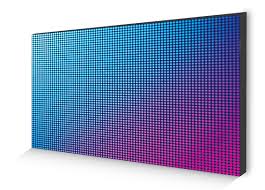
- Mini-LED and Micro-LED Backlighting: Providing higher local dimming zones and enhanced contrast ratios beyond traditional LED BLUs.
- Quantum Dot Enhancement: Combining quantum dot films with LED backlights to broaden color gamut and improve brightness efficiency.
- Flexible and Transparent Displays: Leveraging flexible substrate technologies for novel form factors in wearable devices and augmented reality applications.
- Advanced Calibration Algorithms: Software-driven color management systems that ensure consistent display quality across batches and use conditions.
Conclusion
Mastering the manufacturing of LED LCD screens requires a deep understanding of optical physics, material science, electronics, and international quality standards. It is a sophisticated interplay of design, precision engineering, and rigorous testing to achieve displays that meet the stringent demands of modern users worldwide.
As the industry advances with technologies like mini-LED and quantum dots, manufacturers must remain vigilant to integrate these innovations while maintaining compliance with evolving standards and environmental regulations. A focus on durability, energy efficiency, and visual performance will continue to drive the growth of LED LCD solutions in a broad spectrum of applications.
Adopting best practices and adhering to technical benchmarks are essential for sustained success in this competitive industry, ensuring production of LED LCD screens that are not only cutting-edge in technology but also dependable and environmentally responsible.













