

Advances and Best Practices in LED LCD Screen Manufacturing: Technical Insights and Industry Standards
In the fast-evolving landscape of display technologies, LED LCD screens have emerged as one of the most widely adopted solutions, combining the advantage of LED backlighting with the mature processing technologies of LCD. Their application spans from consumer electronics to high-end commercial displays, making the understanding of their manufacturing process, technical parameters, and quality standards critical for ensuring optimal performance and longevity.
Understanding LED LCD Screen Architecture
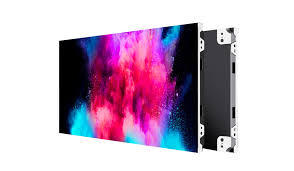
At its core, an LED LCD screen consists of a liquid crystal display panel illuminated by light-emitting diode (LED) backlighting. Unlike traditional cold cathode fluorescent lamp (CCFL) backlighting, LED backlighting offers lower power consumption, enhanced brightness control, and better color rendering. The LED backlight can be implemented in two predominant forms: edge-lit and direct-lit. Edge-lit LED screens position LEDs along the edges of the panel, utilizing light guides to distribute illumination evenly; this form is thinner and more energy-efficient but can suffer from uneven brightness if not precisely manufactured. Direct-lit LED placement involves a full array of LEDs behind the LCD panel, offering superior brightness uniformity and contrast at the expense of increased thickness and cost.
Critical Technical Parameters in Manufacturing
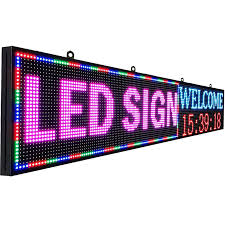
1. Pixel Pitch: Pixel pitch, defined as the distance between the centers of two adjacent pixels, dictates resolution and image sharpness. For LED LCD screens, especially those intended for close-up viewing devices like monitors or smartphones, pixel pitches ranging from 0.2 mm to 0.6 mm are common. Larger pixel pitches are acceptable in billboard or signage applications where viewing distances are longer.
2. Refresh Rate: Displays designed for video playback or gaming require refresh rates exceeding 60 Hz to ensure smooth motion. The typical manufacturing standard for LED LCD screens remains 60 Hz, although 120 Hz and 144 Hz models are common in gaming monitors.
3. Color Gamut and Accuracy: Achieving wide color gamut, such as those conforming to AdobeRGB or DCI-P3 standards, is critical for professional displays. The LED backlighting spectrum influences color reproduction; thus, selecting LEDs with narrow spectral emission peaks enables better color calibration.
4. Brightness and Contrast Ratio: The efficacy of the LED backlighting determines achievable peak brightness, typically ranging from 250 cd/m² for standard displays to over 1000 cd/m² for HDR-capable screens. Contrast ratios exceeding 1000:1 are standard, with local dimming LED arrays enhancing perceived contrast.
5. Response Time: This parameter indicates how fast a pixel can change and is usually measured in milliseconds. Typical LED LCD response times are around 5 ms, ensuring minimal motion blur.
Manufacturing Challenges and Solutions
Uniform Backlighting: Achieving uniform illumination across the panel requires precise calibration of LED placement and the use of advanced diffuser films. Industry leaders utilize automated optical inspection (AOI) systems to detect brightness inconsistencies during production.
Thermal Management: LEDs generate heat, which can degrade liquid crystal performance and shorten device lifespan. Heat sinks, thermal interface materials, and controlled ventilation are integrated into designs following JEDEC thermal standards (e.g., JESD51 series) to manage this effectively.
Quality Standards and Testing
ISO 9241-307 governs the ergonomic requirements of visual displays, including parameters for luminance uniformity and flicker. Compliance with IEC 62368-1 ensures electrical safety, while ISO 13406-2 addresses pixel defect classifications and allowable thresholds, crucial for manufacturer quality control. Additional testing involves color calibration using spectroradiometers and uniformity assessment via luminance meters.
Industry Case Study: High-Resolution Commercial Displays
A leading manufacturer of video wall solutions implemented a direct-lit LED LCD panel with a pixel pitch of 0.9 mm and achieved brightness levels up to 1500 cd/m². The design incorporated local dimming zones based on a mini-LED array, significantly enhancing dynamic contrast ratios beyond 5000:1. The thermal design integrated a high-efficiency heat sink verified by thermal imaging, maintaining operational temperatures within recommended JEDEC limits. The video walls complied with ISO standards for pixel defects, maintaining zero bright-pixel tolerance. This application highlights how precision engineering and adherence to standards yield displays capable of robust performance in demanding commercial environments.
Concluding Remarks
Mastering LED LCD screen manufacturing involves a synergy of precise component selection, adherence to rigorous industry standards, and sophisticated process control. With ongoing innovations such as quantum dot enhancement for color performance and mini-LED backlit designs for localized brightness control, manufacturers continually elevate display quality. For engineers and manufacturers, a deep understanding of technical parameters and quality frameworks not only ensures product excellence but also aligns with sustainability and market competitiveness.
References:
- “Display Color Standards,” International Color Consortium, 2023.
- JEDEC Solid State Technology Association, JESD51 Series - Thermal Management Standards.
- IEC 62368-1: Audio/video, information and communication technology equipment - Safety requirements.
- ISO 9241-307: Ergonomics of human-system interaction – Part 307: Analysis and compliance test methods for pixel defects.
- Tian, et al., “Advances in Mini-LED Backlight Technology for High Dynamic Range Displays,” Journal of Display Technology, 2022.













