

Shine Brighter TFT: Enhancing Display Technology for Superior Visual Performance
In the rapidly evolving world of display technologies, Thin Film Transistor (TFT) LCD panels have become a cornerstone for delivering high-quality visual experiences. Among these, the concept of “Shine Brighter TFT” epitomizes advancements aimed at enhancing brightness, color accuracy, and energy efficiency. This article delves into the technical intricacies of TFT displays, exploring the innovations that enable brighter screens while maintaining superior image quality and prolonged lifespan—vital for applications from consumer electronics to industrial use.
Understanding TFT Technology
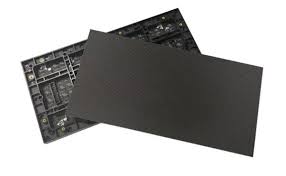
TFT refers to a thin-film transistor integrated into each pixel of an LCD panel, providing precise control over the light modulation. It acts as an active matrix, switching individual pixels on or off rapidly to form images. The performance of TFT panels depends heavily on the quality of the transistor material, substrate, and liquid crystal alignment, which collectively determine the display’s brightness, contrast ratio, response time, and viewing angles.
Key Technical Parameters Enhancing Brightness
Brightness in TFT displays is typically measured in nits (cd/m²). Standard LCD panels offer brightness levels of about 250-350 nits, which suffice for indoor viewing. However, achieving “shine brighter” effects requires optimizing parameters such as:
- Backlight Unit (BLU): The most critical factor for brightness. Modern TFT panels utilize LED backlights, often featuring high-luminance LEDs that can reach beyond 1000 nits, essential for outdoor readability and HDR content.
- Optical Films: The integration of brightness enhancement films (BEF) and diffuser sheets improves light uniformity and efficiency. These films redirect and concentrate light toward the viewer.
- Liquid Crystal Material and Cell Gap: Optimizing the liquid crystal’s birefringence and decreasing cell gap thickness reduces light absorption, allowing more backlight to pass through.
- Polarizers: Using advanced polarizers with higher transmittance can drastically improve brightness without compromising contrast.
Technological Innovations Driving Brighter TFT Displays
Emerging technologies have redefined brightness capabilities while maintaining energy efficiency:
- Quantum Dot Enhancement Layers (QDEL): Quantum dots emit highly pure light when excited by LEDs, enhancing color gamut and brightness simultaneously. Incorporating QDEL into TFT LCDs achieves vivid images with peak brightness exceeding 1500 nits.
- Mini-LED Backlighting: By embedding thousands of miniature LEDs behind the TFT panel, local dimming becomes more precise. This not only heightens peak brightness but also enhances contrast ratios without increasing power consumption exponentially.
- Low-Temperature Polycrystalline Silicon (LTPS) TFTs: LTPS technology offers higher electron mobility than amorphous silicon TFTs, facilitating faster pixel response and supporting higher brightness levels due to improved efficiency.
Application Insights and Case Studies
“Shine Brighter TFT” panels are increasingly prevalent in sectors requiring superior display performance:
- Smartphones and Tablets: Premium devices like the latest smartphones employ LTPS TFT LCDs combined with quantum dot layers, achieving over 1000 nits of brightness vital for outdoor usage.
- Automotive Displays: Brightness levels exceeding 1200 nits are crucial for dashboards and infotainment systems to remain visible under direct sunlight, often leveraging mini-LED backlighting for optimized power efficiency.
- Medical Imaging: TFT displays with enhanced brightness and wide color gamut improve diagnostic accuracy by providing more detailed and clearer images.
Industry Standards and Quality Assurance
Compliance with standards such as ISO 9241-307 for graphical displays and IEC 61747-10-5 for flat panel display performance guarantees reliability and uniform brightness across the panel. Manufacturers rigorously test parameters including luminance uniformity, color gamut coverage (typically covering 100% sRGB or Adobe RGB), and contrast ratios (ranging from 1000:1 to 5000:1).
Future Outlook
The future of shine brighter TFT displays intertwines with the development of MicroLED and OLED hybrid technologies that aim to combine self-emissive benefits with TFT’s active matrix control. Additionally, advancements in power management and thermal dissipation will allow brighter panels without compromising device longevity or energy budgets.
In conclusion, the “Shine Brighter TFT” paradigm signifies a dynamic progression in display engineering—balancing brightness, visual fidelity, energy efficiency, and durability. By leveraging advanced materials, backlighting techniques, and manufacturing precision, TFT displays continue to set benchmarks across industries striving for superior visual solutions.













