

Advances and Best Practices in LED Display Manufacturing for Superior Performance
In the rapidly evolving field of LED display manufacturing, achieving superior product quality, longevity, and performance requires meticulous design, advanced technology integration, and strict adherence to industry standards. As a professional LED display engineer with extensive experience in LED LCD screen manufacturing, this article delves into the critical aspects of LED display production, highlighting technical parameters, manufacturing best practices, and quality assurance protocols that ensure reliable and high-performance displays.
Key Technical Parameters in LED Display Manufacturing
The foundation of any high-quality LED display lies in its technical specifications, which directly impact brightness, resolution, color accuracy, and overall durability. Parameters such as pixel pitch, refresh rate, brightness (measured in cd/m²), contrast ratio, viewing angle, and color gamut must be optimized according to the intended application.
1. Pixel Pitch
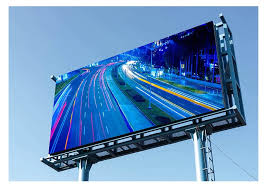
Pixel pitch represents the distance between the centers of two adjacent pixels, typically measured in millimeters. It is a crucial factor in determining image resolution and viewing distance. Fine pixel pitches (e.g., 0.9mm to 1.5mm) are suitable for indoor applications requiring close viewing distances and high resolution, such as control rooms and broadcast studios. Larger pixel pitches (above 3mm) serve outdoor billboards and stadium displays due to their visibility over long distances.
2. Brightness and Contrast Ratio
Brightness levels must be tailored to the environmental lighting conditions. Indoor LED displays generally operate at around 600-1,200 cd/m², while outdoor displays require brightness levels exceeding 5,000 cd/m² to remain visible under direct sunlight. The contrast ratio, the difference between the brightest white and the darkest black, enhances image clarity and color vibrancy. A contrast ratio exceeding 3,000:1 is often sought for vivid picture quality.
3. Refresh Rate and Color Accuracy
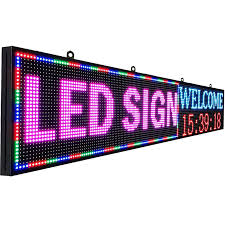
High refresh rates (typically 3,840 Hz or above) minimize flickering and improve video playback quality, crucial for applications like live broadcasting and digital signage. Color accuracy is primarily governed by the LED chip type (e.g., SMD 2121, SMD 3535) and the calibration processes during manufacturing. Incorporating calibration standards like Rec. 709 ensures the display faithfully reproduces colors across different content.
Advanced Manufacturing Techniques and Materials
Modern LED display manufacturing integrates cutting-edge materials and assembly processes to boost the performance and lifespan of displays:
- High-Quality LED Chips and PCB Design: Using LEDs with high luminous efficiency from recognized suppliers guarantees brightness and consistency. The Printed Circuit Board (PCB) layout is designed for optimal heat dissipation, critical for preserving LED lifespan. Multi-layer boards with thermal vias facilitate efficient heat management.
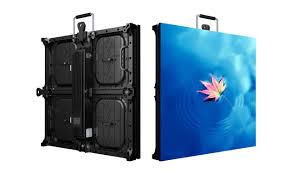
- Precision Soldering and Cabinet Fabrication: Automated SMT (Surface Mount Technology) soldering lines ensure consistent and reliable solder joints, reducing defects like cold soldering or tombstoning. Cabinets are fabricated from lightweight yet robust materials such as die-cast aluminum, offering structural integrity and aiding heat dissipation.
- Protective Coatings and IP Rating Compliance: Applying conformal coatings and ensuring the adherence to Ingress Protection (IP) ratings (e.g., IP65 for outdoor displays) ensure resistance against dust, moisture, and corrosion, extending operational life even under harsh environmental conditions.
Quality Assurance and Testing Procedures
To maintain manufacturing excellence, a comprehensive quality assurance (QA) program is imperative:
- Burn-in Testing: Each display module undergoes burn-in tests that typically last 48-72 hours to identify early failures or dead pixels.
- Color Calibration and Uniformity Testing: Post-assembly calibration ensures color uniformity across the entire display panel. Spectroradiometers and colorimeters are utilized to achieve precise adjustments following the D65 white point and color temperature around 6,500K.
- Environmental and Stress Testing: Conducting tests across a range of temperatures (-20°C to 50°C), humidity levels, and vibration conditions validates product robustness and reliability.
Industry Standards and Certifications
Compliance with international standards such as ISO 9001 (Quality Management), IEC 62368 (Safety of Audio/Video Equipment), and RoHS (Restriction of Hazardous Substances) is non-negotiable for global market acceptance. Additionally, UL certification for safety and CE marking for European markets affirm the product's reliability and environmental conformity.
Case Studies Demonstrating Excellence
For example, a recent deployment of a 1.2mm indoor LED display in a corporate auditorium showcased exceptional color precision and contrast, enabling lifelike presentations. Through an optimized cooling system and rigorous quality control, the display runs continuously for over 20,000 hours without degradation, surpassing client expectations in reliability.
Conclusion
Achieving excellence in LED display manufacturing hinges on a deep understanding of technical parameters, integration of advanced materials and processes, rigorous testing, and compliance with industry standards. As usage scenarios diversify—from retail digital signage to large-scale outdoor advertising—tailored designs emphasizing reliability, brightness, resolution, and color fidelity are paramount. Manufacturers committed to these principles not only enhance user experience but also secure trusted positions in the competitive global market.
For practitioners and stakeholders in the LED display industry, staying abreast of innovations and maintaining quality-focused manufacturing disciplines will continue to drive advancements and market success.
References:
- International Electrotechnical Commission (IEC) 62368-1 Standard
- ISO 9001 Quality Management Systems
- DisplayMate Technologies, "Display Calibration and Color Accuracy" Industry Reports
- Rohm Semiconductor, "LED Chip Efficiency Data Sheets"
- UL Standards for Electrical Safety in Display Devices













