

LED Display Manufacturing: Technology, Applications, and Industry Insights
LED display technology has revolutionized the way visual information is presented across various sectors, from advertising and entertainment to transportation and public safety. As a professional LED display engineer with extensive experience in design, manufacturing, and deployment, this article provides a comprehensive analysis of LED display technology, practical applications, advantages, common challenges, and emerging trends shaping the industry today.
Technical Overview of LED Displays
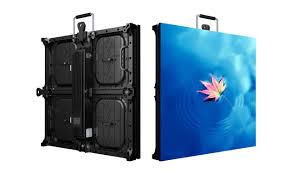
LED displays primarily consist of an array of light-emitting diodes (LEDs) which serve as individual pixels to produce vibrant images and videos. These displays employ two main types of LEDs: surface-mounted device (SMD) LEDs and through-hole LEDs, each catering to different resolution and brightness requirements.
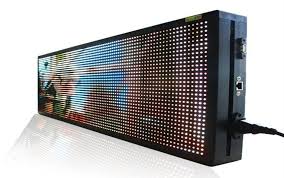
Industrial standards such as the International Electrotechnical Commission’s IEC 62368-1 ensure safety and reliability in LED display manufacturing. Product specifications often feature parameters including pixel pitch (distance between adjacent LEDs), luminance (measured in nits, typically 800–5000 nits for outdoor displays), refresh rate (at least 1920Hz for flicker-free video), color depth (16bit or higher for smooth gradation), and viewing angle (generally over 140° horizontally and vertically).
Practical Applications
LED displays boast unparalleled versatility. Key industries leveraging LED displays include:
- Outdoor Advertising: Large-scale billboards employing high-brightness, weather-resistant LED displays facilitate dynamic and economical advertising compared to traditional print media.
- Sport Arenas and Events: LED screens deliver high-definition visuals that engage audiences, from scoreboards to live event broadcasting.
- Transportation Hubs: Airports, train stations, and highways deploy LED signage for real-time information due to their visibility under varying light conditions.
- Retail Environments: Indoor LED displays enhance product showcasing and customer engagement through interactive and changing content.
- Public Safety and Emergency Messaging: Rapid message dissemination on LED boards helps manage crowd control and safety alerts during disasters.
Advantages
LED display technology offers multiple benefits:
- Brightness and Visibility: High luminance levels provide excellent visibility even under direct sunlight, critical for outdoor use.
- Energy Efficiency: Modern LEDs consume significantly less power than traditional LCD or projection displays, reducing operational costs.
- Durability and Longevity: LEDs have an average lifespan exceeding 100,000 hours and robust weatherproof designs (IP65 or higher ratings) make them well-suited for harsh environments.
- Color Fidelity and Contrast: Advanced calibration and binning ensure consistent color output, improving viewer experience.
- Modularity and Scalability: LED panels can be assembled in various sizes and aspect ratios, providing unmatched flexibility in design.
Common Problems and Solutions
Despite their strengths, several issues frequently arise in LED display manufacturing and operation:
- Pixel Failure and Dead LEDs: Manufacturing defects or environmental stresses can cause pixel degradation. Employing rigorous quality assurance protocols and automated optical inspection (AOI) ensures early fault detection.
- Heat Dissipation: High-power LEDs generate heat that can reduce lifespan. Innovative cooling solutions such as heat sinks and forced air circulation are integrated into product design to mitigate this.
- Color Inconsistency: Variations in LED bin classification may lead to hue variance. Color calibration equipment and software algorithms rectify these inconsistencies during production.
- Signal Interference and Data Transmission Latency: High refresh rates and optimized signal routing are critical to maintaining seamless video playback, especially for large-scale displays.
- Environmental Impact: Proper sealing and conformal coatings protect against moisture ingress, while component choices aim to minimize ecological footprints.
Latest Trends and Innovations
The LED display industry continues to evolve, driven by innovations such as:
- Mini and Micro LED Technology: With pixel pitches under 1mm, these displays enhance resolution and visual clarity, targeting premium applications like large-scale TVs and control rooms.
- Flexible and Transparent LED Panels: These novel form factors enable creative architectural integration and new interactive experiences.
- AI-Enhanced Content Management: Artificial intelligence facilitates dynamic content adaptation based on audience demographics, weather conditions, and time of day.
- Sustainable Manufacturing Practices: Emphasis on recyclable materials, energy-efficient production, and longer product cycles addresses environmental concerns.
- Improved Connectivity and IoT Integration: Modern LED displays support wireless control and integration with smart city infrastructure for real-time data visualization.
Conclusion
The field of LED display manufacturing is marked by continuous technological advancements and expanding use cases. Understanding technical parameters, practical benefits, and challenges facilitates the delivery of reliable, high-performance LED solutions tailored to diverse application needs. Keeping abreast of the latest trends, such as mini LED and AI integration, enables manufacturers and users to maximize the impact of LED display technology globally.
References:
- IEC 62368-1 - Safety requirements for audio/video, information and communication technology equipment
- Lumileds LED Technology Whitepapers
- Society for Information Display (SID) Technical Digest
- AVIXA (Audiovisual and Integrated Experience Association) Standards
- “Advances in Mini LED Backlights and Displays,” Journal of Display Technology
- Case studies from Daktronics and Leyard Group













